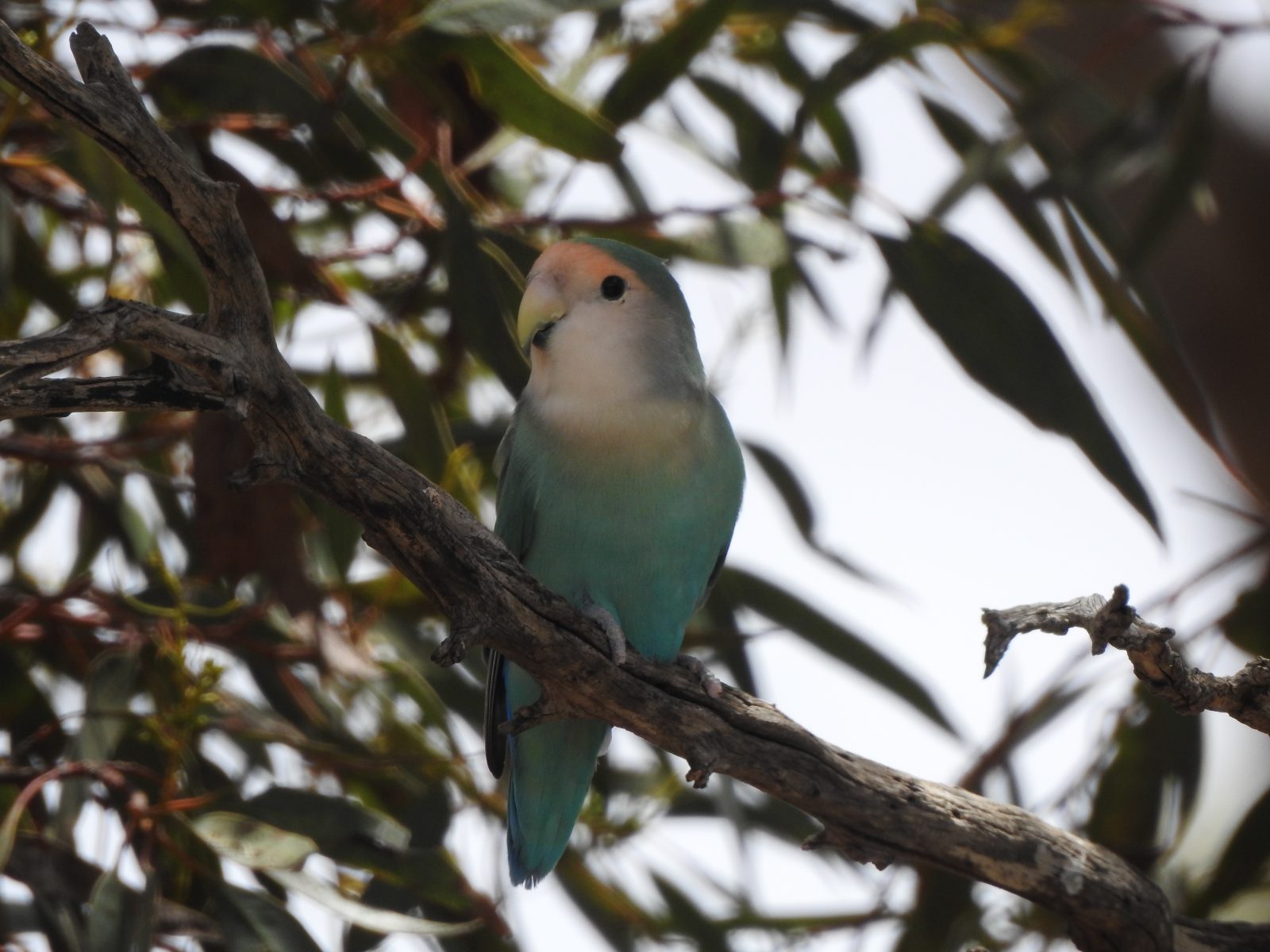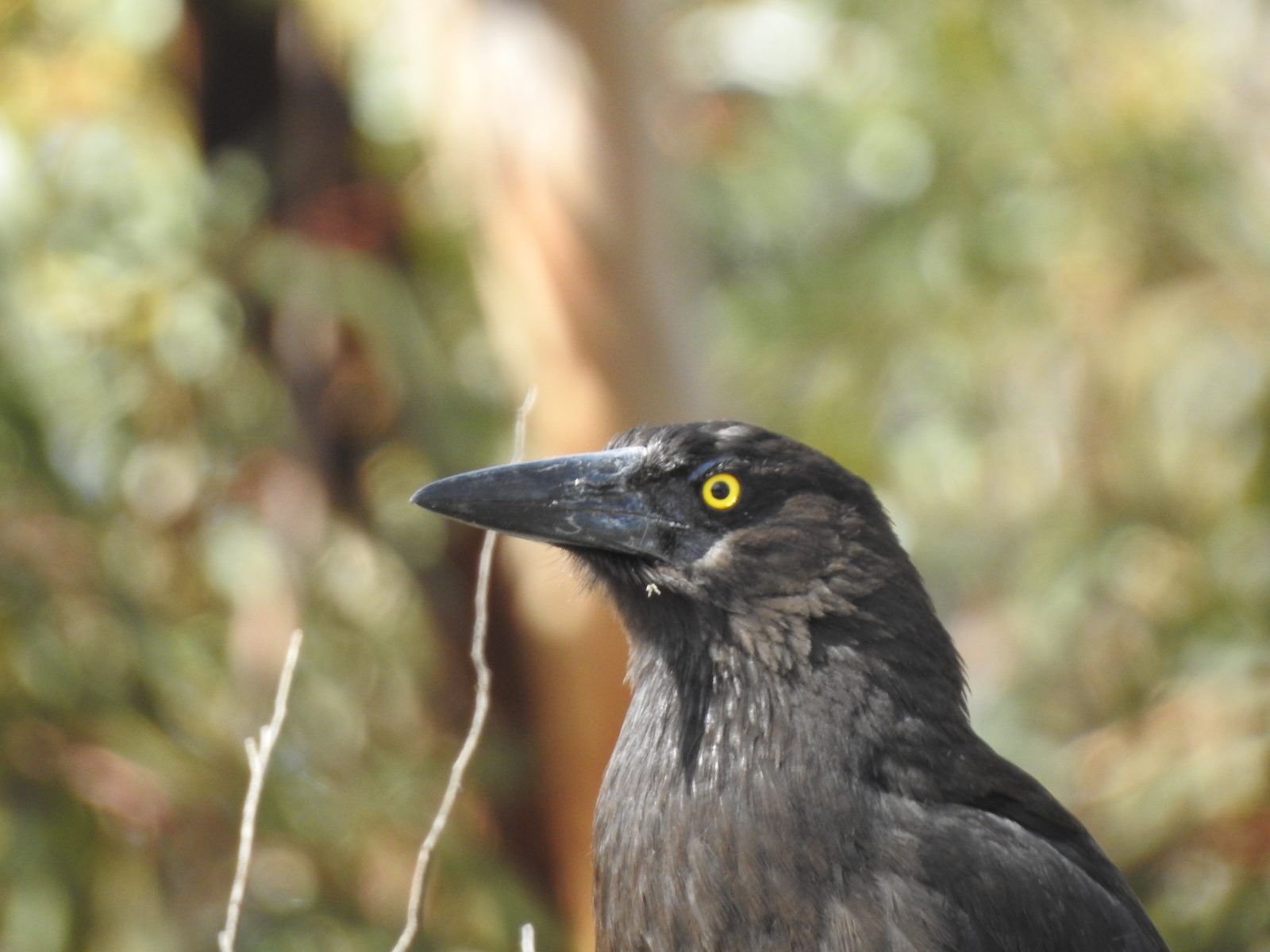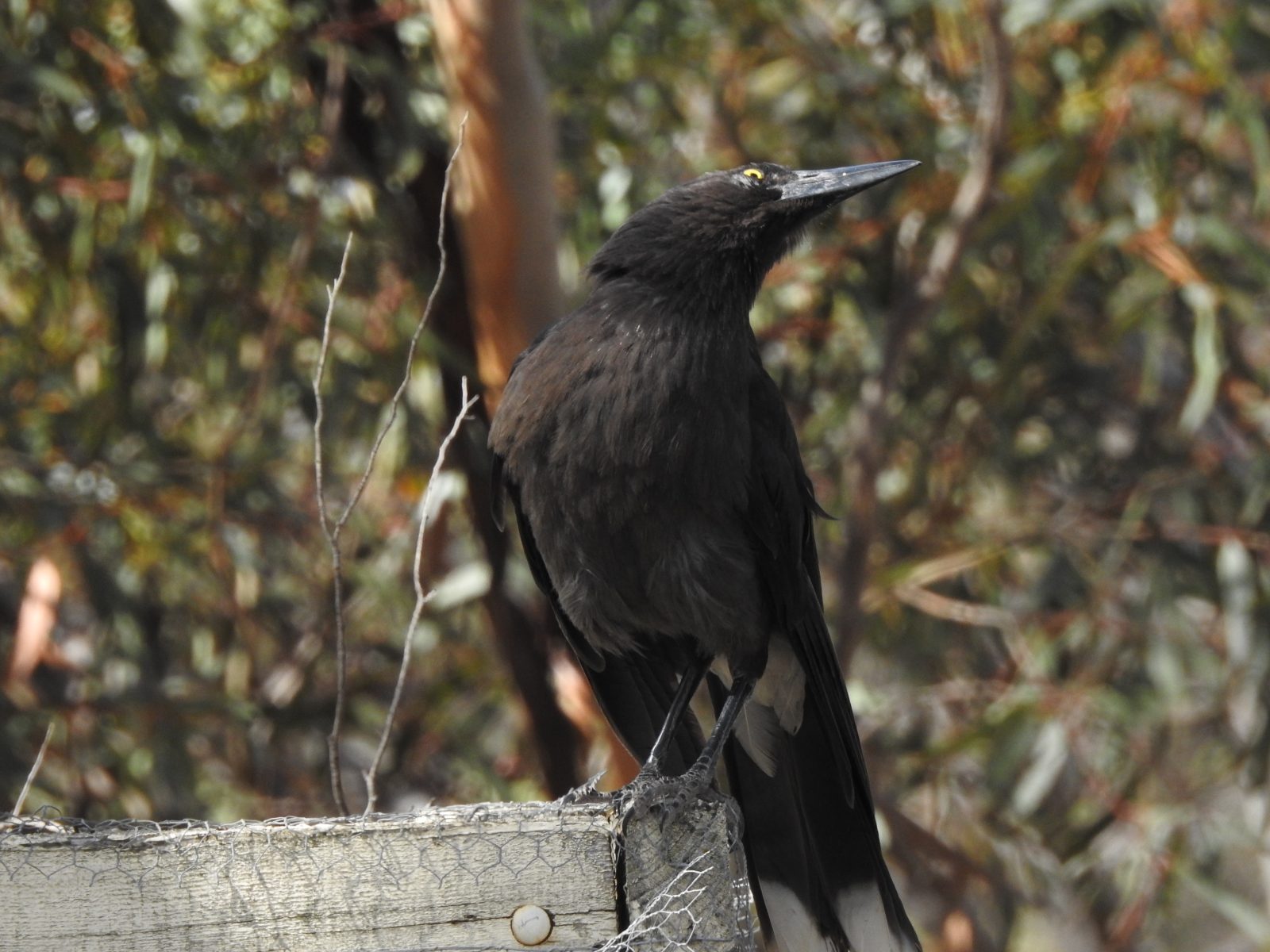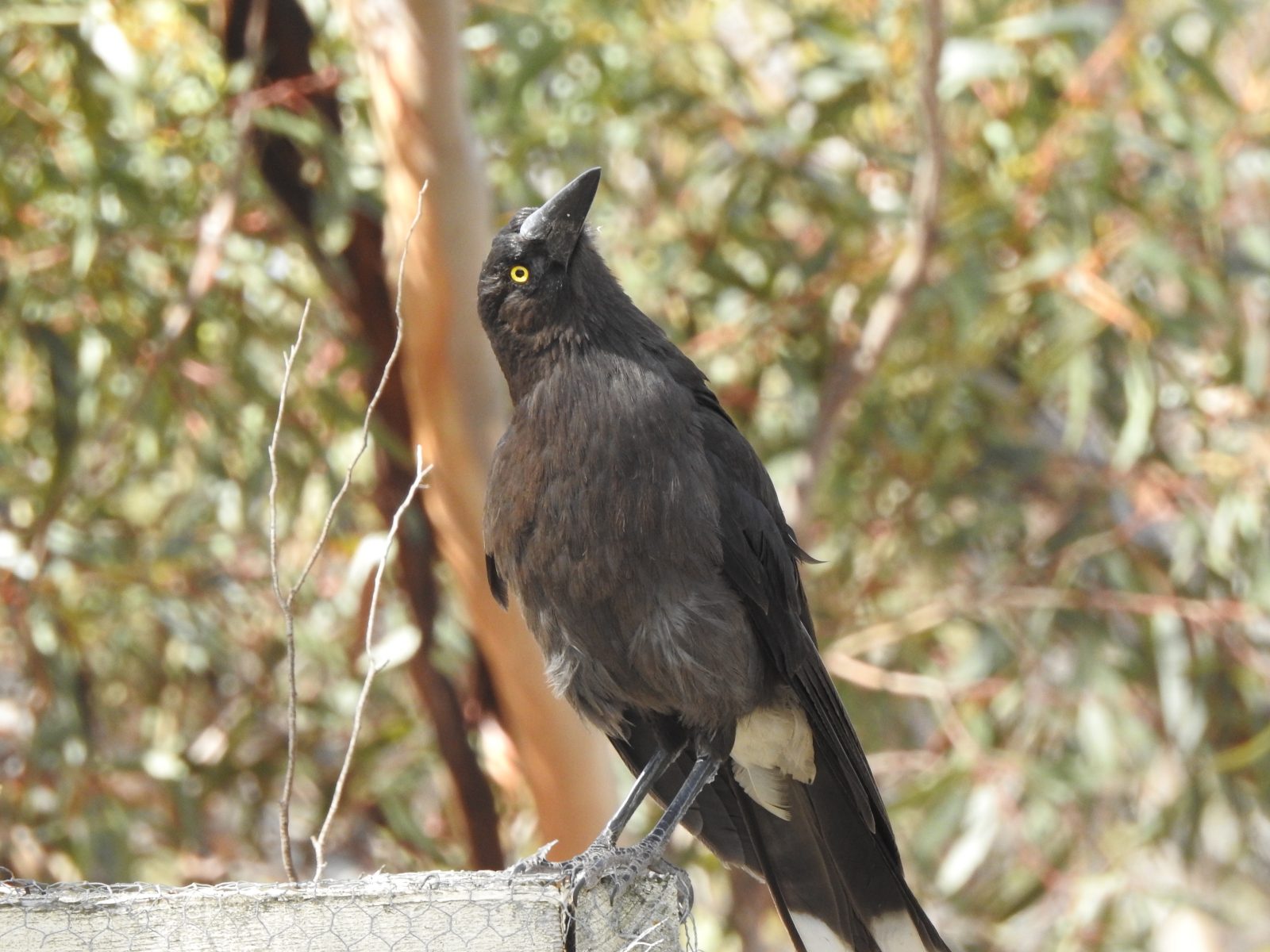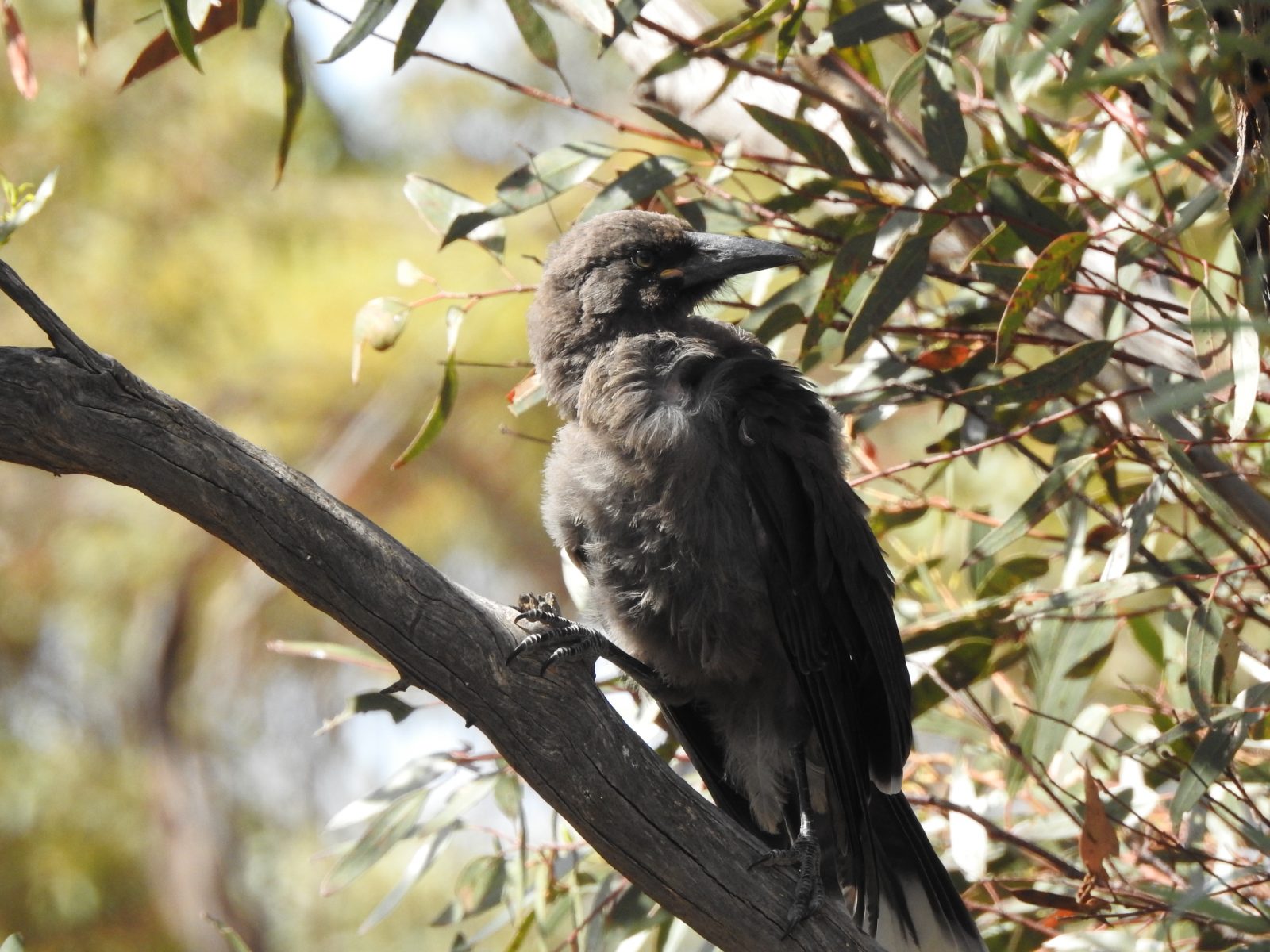
Grey Fantail at last

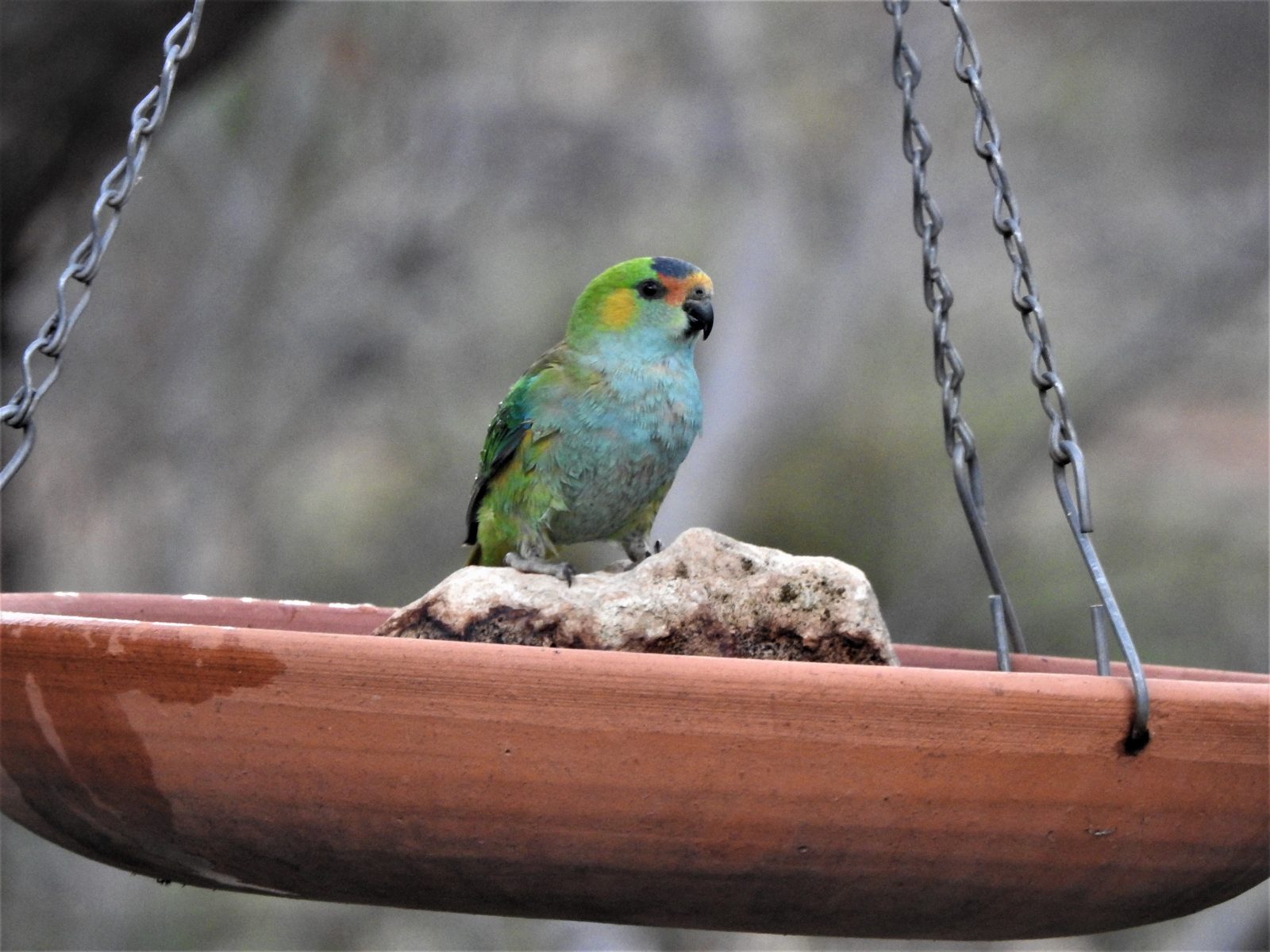
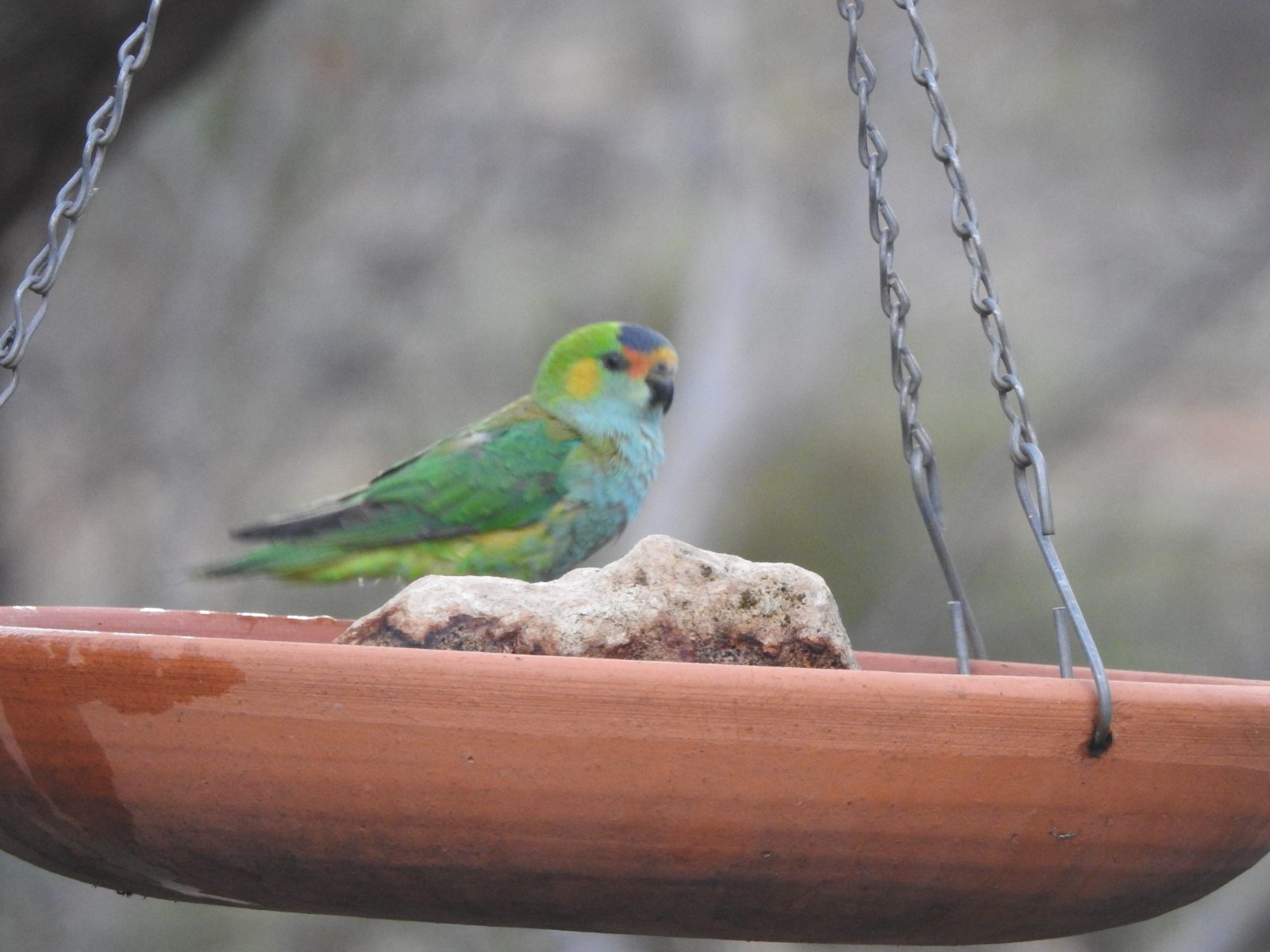
Grey Fantail at our bird bath

Sometimes it is the common species that give birders the most problems. With me it is getting good photos of the common garden bird, the Grey Fantail.

This bird has been visiting our garden in recent weeks. It is a regular visitor during the cooler months. I haven’t been able to get a good close up photo until earlier this week. I chased it around the garden on several occasions over the previous week, only to have it elude me and my camera every time. They are not known to sit still for very long.

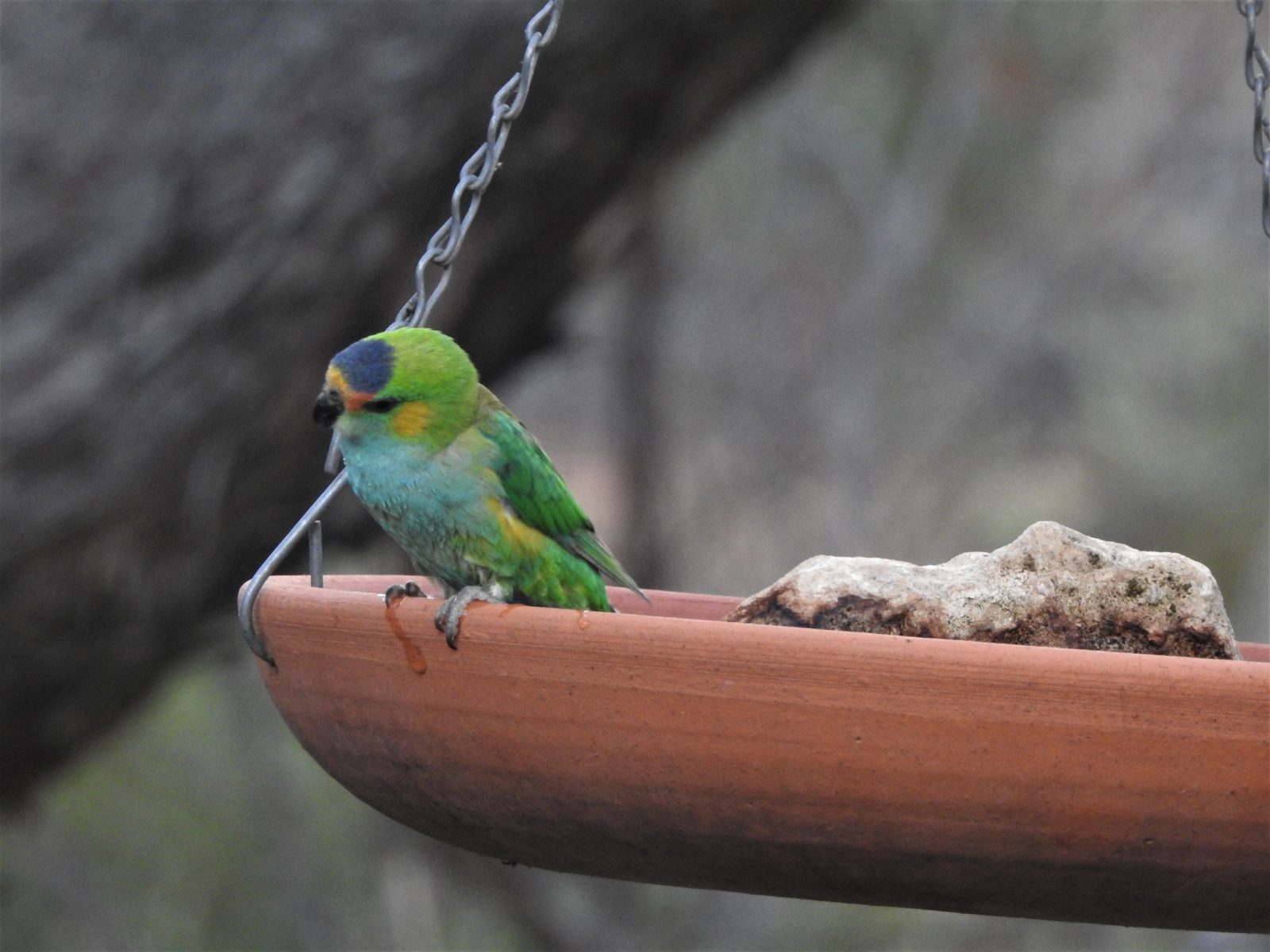
Eventually, it settled on the bird bath for long enough for a photo. It then returned several times over the next few minutes; I was waiting with my camera ready focussed.

Grey Fantail at our bird bath

Grey Fantail at our bird bath

Common Starlings

Common Starling

The introduced bird species, Common Starling, is very common in our district, including our garden. They are also very common throughout south-eastern Australia, sometimes forming flocks numbering in the thousands.

They are a much maligned bird – and with good reason. We certainly don’t like the way they feast on the fruit in our orchard and they certainly foul up tree hollows when nesting, making the hollows most unattractive to native species.

They also have an uncanny knack of being able to imitate other birds. More than once I have been over excited about hearing an unusual call in the garden, only to realise that a starling is responsible. One of our resident starlings is able to very cleverly imitate a chook (chicken) cackling. Years ago we even had one around that was able to imitate the outside bell of a telephone, something it had learned from a nearby factory.

There is one redeeming feature of this species. At certain times of the year they do take on a very colourful, shimmering, iridescent  array of colours, as shown in the birds featured in the photos today. (Hint: click on the photos to enlarge the image.)

Common Starling

Magnificent Wedge-tailed Eagles

Wedge-tailed Eagle

Last week I travelled from home in Murray Bridge to attend a meeting in Adelaide. I take the South-eastern Freeway and this takes me through the Adelaide Hills. I generally take quite an interest in the birds seen along the way, noting that more and more frequently I am seeing the wonderful Yellow-tailed Black Cockatoos flying overhead.

On this occasion, however, I saw two – perhaps a pair – of  Wedge-tailed Eagles soaring low over the freeway. This magnificent species – Australia’s largest eagle – is widespread throughout the country without being very common anywhere.

As is quite usual both birds were being harassed by other species, including Australian Magpies and Little Ravens. While they might be lovely birds, they are generally not loved birds; at least, not  in the bird kingdom.

Dusky Turtle Dove sunning itself, Addis Ababa, Ethiopia

Dusky Turtle Dove, Addis Ababa, Ethiopia

I delight in getting good photos of birds when I go out birding.  Sometimes a great shot presents itself with little planning on my part. On this occasion this Dusky Turtle Dove in Addis Ababa last December was not aware of my presence high up on the other side of a small stream. My camera was at full zoom so I was pleased with the result, a nice clear photo.

You can read more about my encounters with this species here, including the frustration of getting good photos of it in poor lighting conditions.

Olive Thrush, Addis Ababa, Ethiopia

Olive Thrush, Addis Ababa, Ethiopia

Late last year during my visit to my daughter who was teaching in Ethiopia I spent quite a few hours exploring the gardens and adjacent small forest of the school campus. During these times was able to get a few nice photos of the birds I saw.

Included in the species seen was the Olive Thrush (Turdus olivaceus) shown in the photos on today’s post. This particular bird was quiet and didn’t seem to mind me focussing on it. Despite the shade of the forest making the light conditions rather poor, I did manage several reasonable shots.

The Olive Thrush of East Africa is found throughout the higher altitudes of the region and is relatively common in forests, wooded areas and park and large gardens with plenty of trees. Its diet consists of  spiders, various insects, fruit, worms and snails.

Olive Thrush, Addis Ababa, Ethiopia


Olive Thrush, Addis Ababa, Ethiopia