Borenore Karst Conservation Reserve, Orange
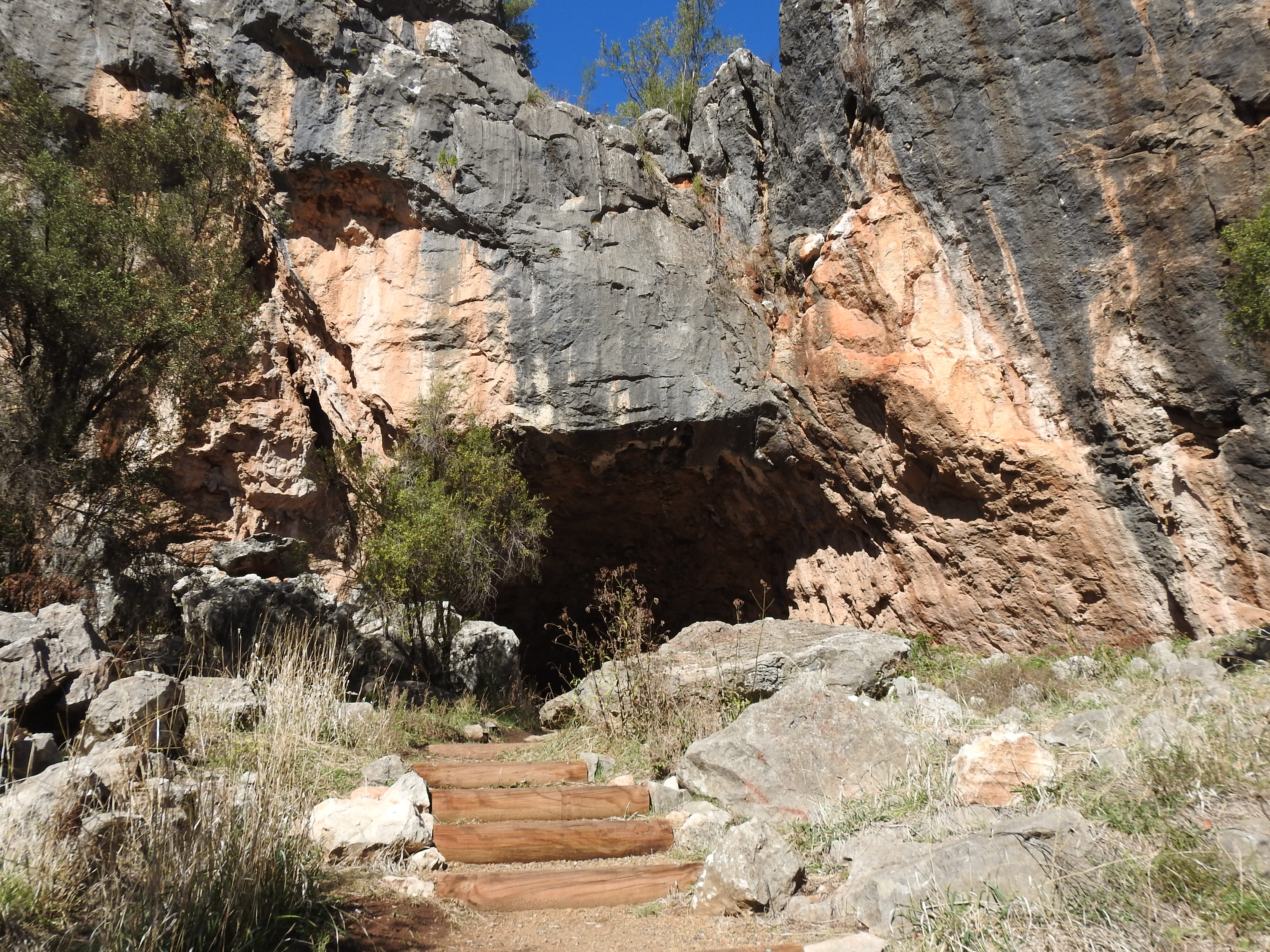
Borenore Karst Conservation Reserve, Orange, NSW
On my way to Sydney early in May of this year, I travelled between Lake Cargelligo and the city of Orange in New South Wales. As I approached Orange, I saw a tourist sign pointing to the Borenore Karst Conservation Reserve. I had been looking for a place to pull off the road, have lunch and do a spot of birding while I ate. This reserve seemed to fit the criteria well, so I pulled off onto a rocky dirt track leading down into the valley below. While it was a little bumpy, a non-4WD car can negotiate this track with care. There were no such concerns with my Ford Ranger 4WD.
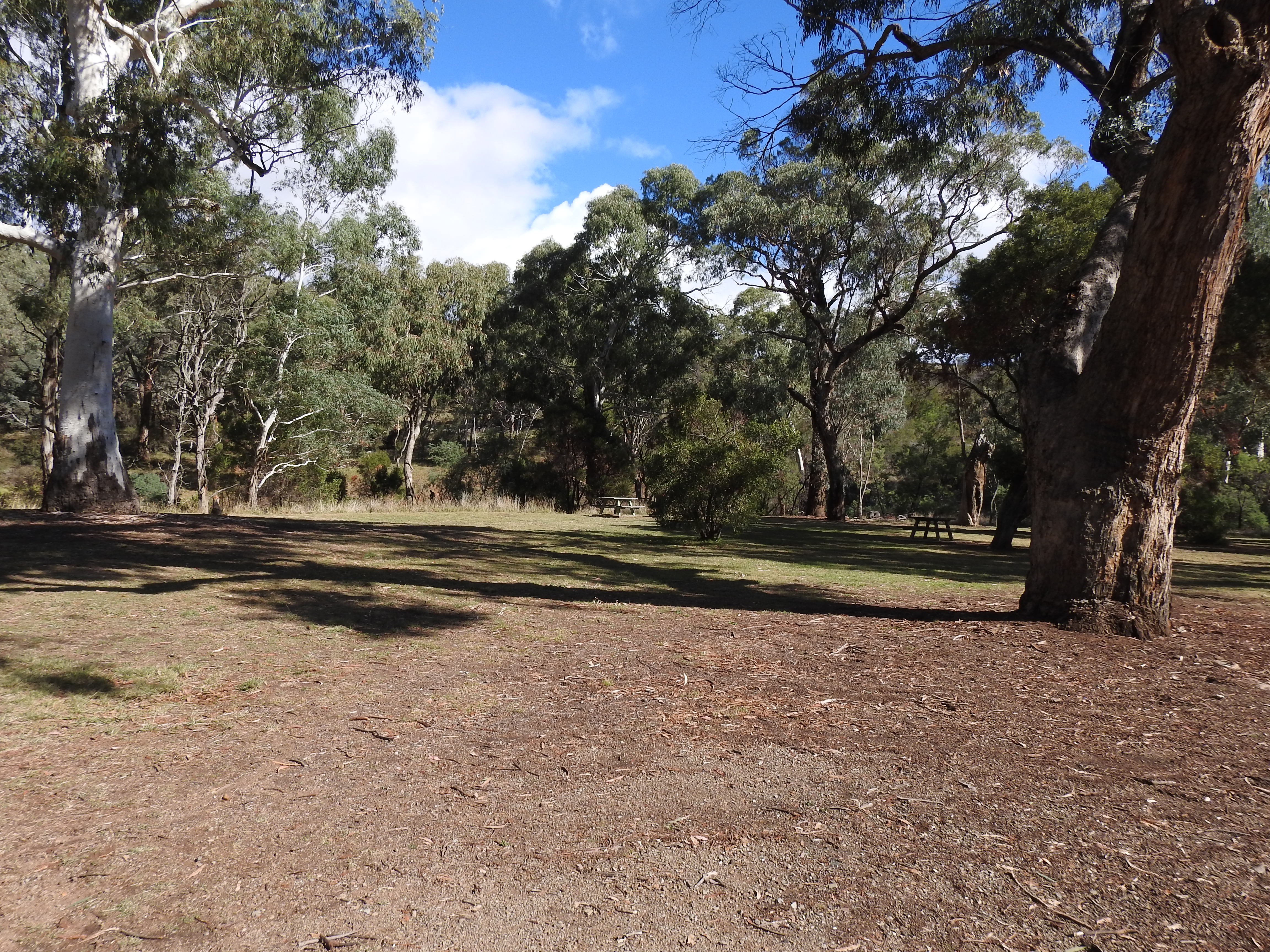
Borenore Karst Conservation Reserve, Orange, NSW
The picnic ground (photo above) was pleasant with scattered trees and several picnic tables for visitors to use. While I ate my lunch I made a list of the birds seen or heard.
Bird List:
- Australian Magpie (photo below)
- Australian Raven
- Noisy Miner
- Laughing Kookaburra
- Red Wattlebird
- Galah
- White-plumed Honeyeater
- Sulphur-crested Cockatoo
- Crimson Rosella
- Rufous Whistler
- Striated Pardalote
- Welcome Swallow
It is not a big list, but the wind was chilly and it was just after midday which is generally not a good time for birding. My opinion is that this would be a great place to go birding on a sunny, spring day, preferably early in the morning or just before sunset.
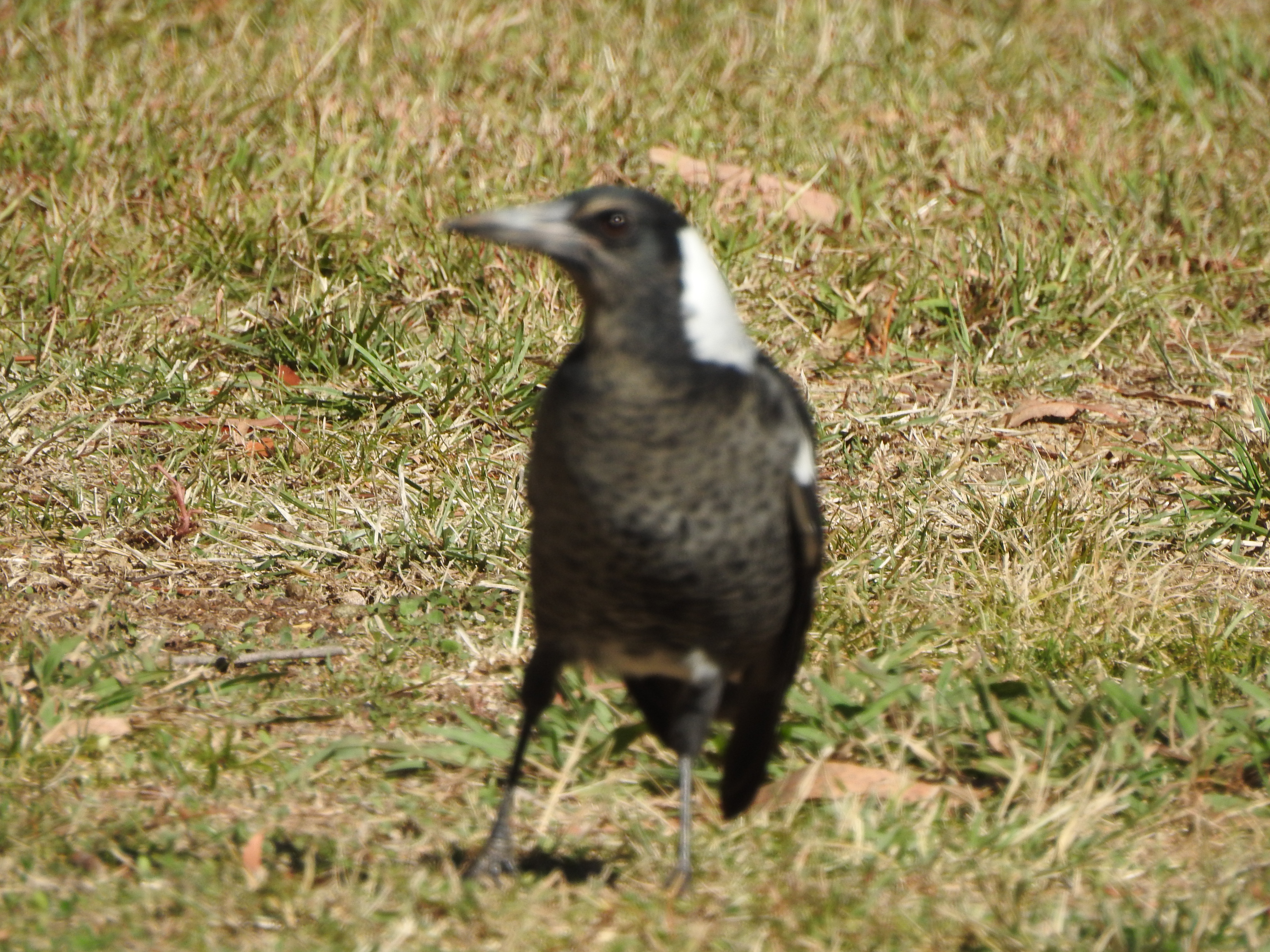
Australian Magpie, Borenore Karst CP
The main attraction of this reserve is the cave next to the picnic ground. In the photos below (and above) you can see some of the rocky landscape which surrounds the picnic grounds. There is a walk visitors can take through one of the caves which I would like to have explored, but my torch was in a hard to get to box in the back of the ute. I really needed to get on the road again, anyway, so I gave the cave exploration a miss. I will be better prepared next time I pass this way.
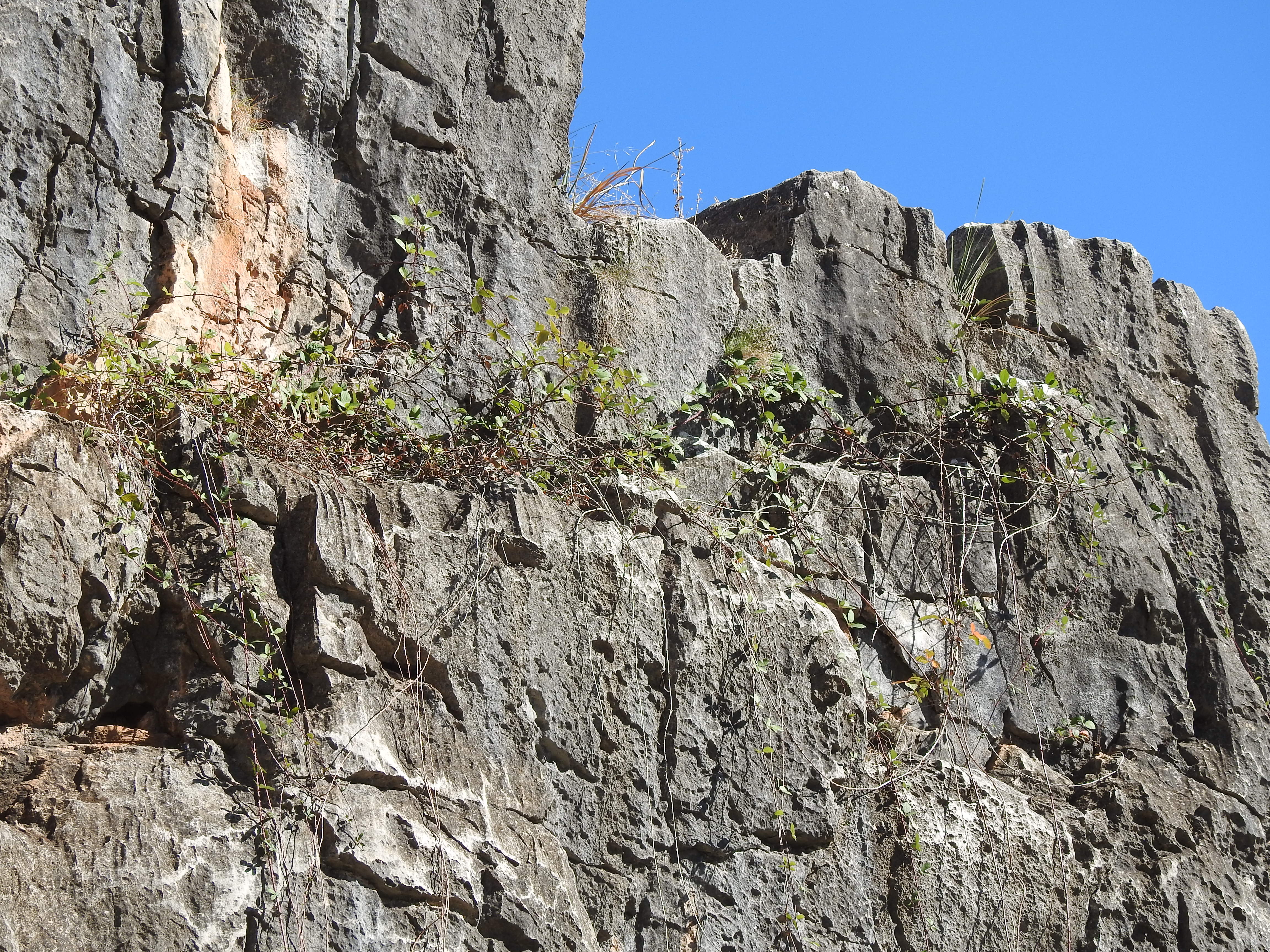
Borenore Karst Conservation Reserve, Orange, NSW
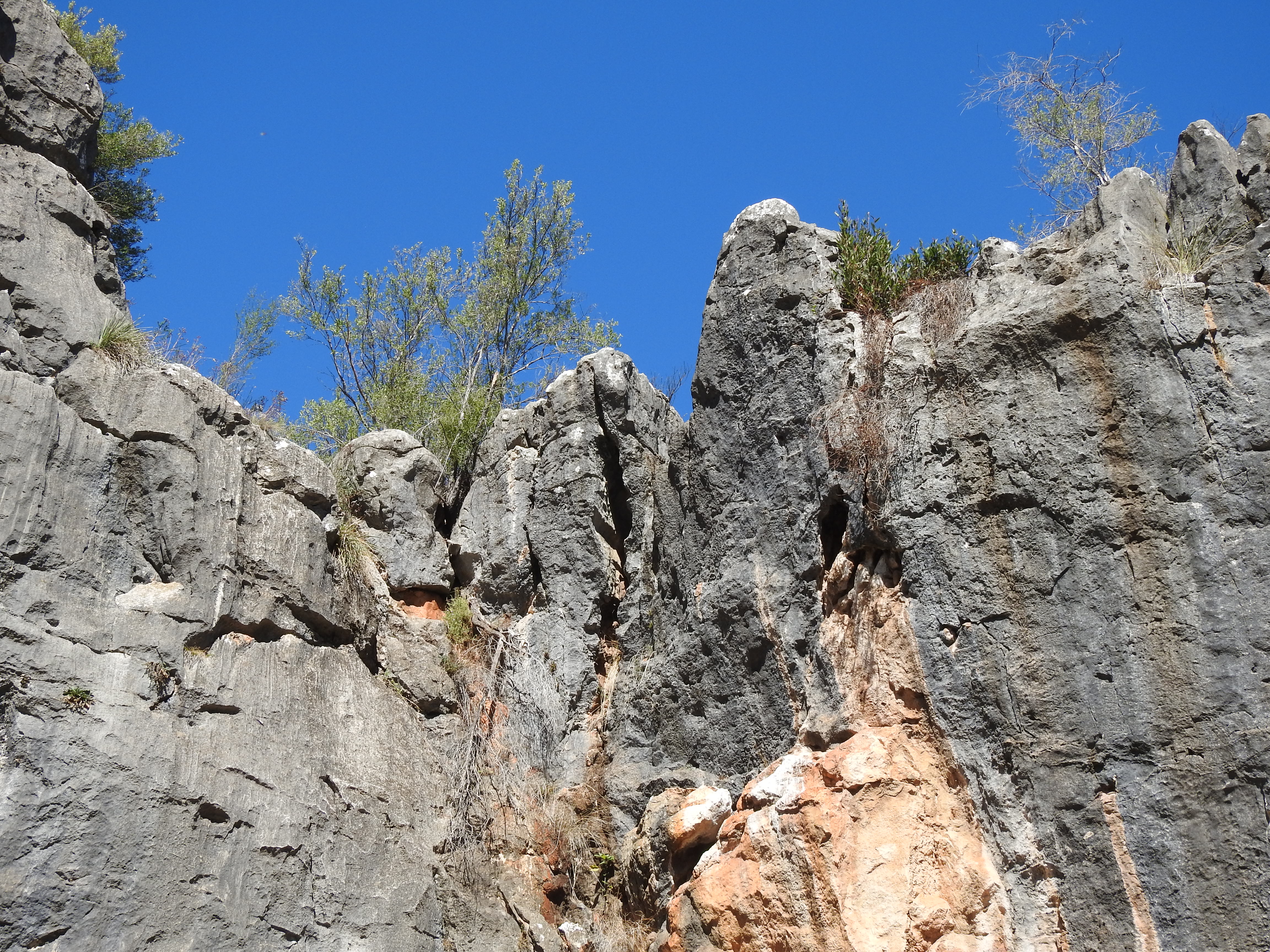
Borenore Karst Conservation Reserve, Orange, NSW
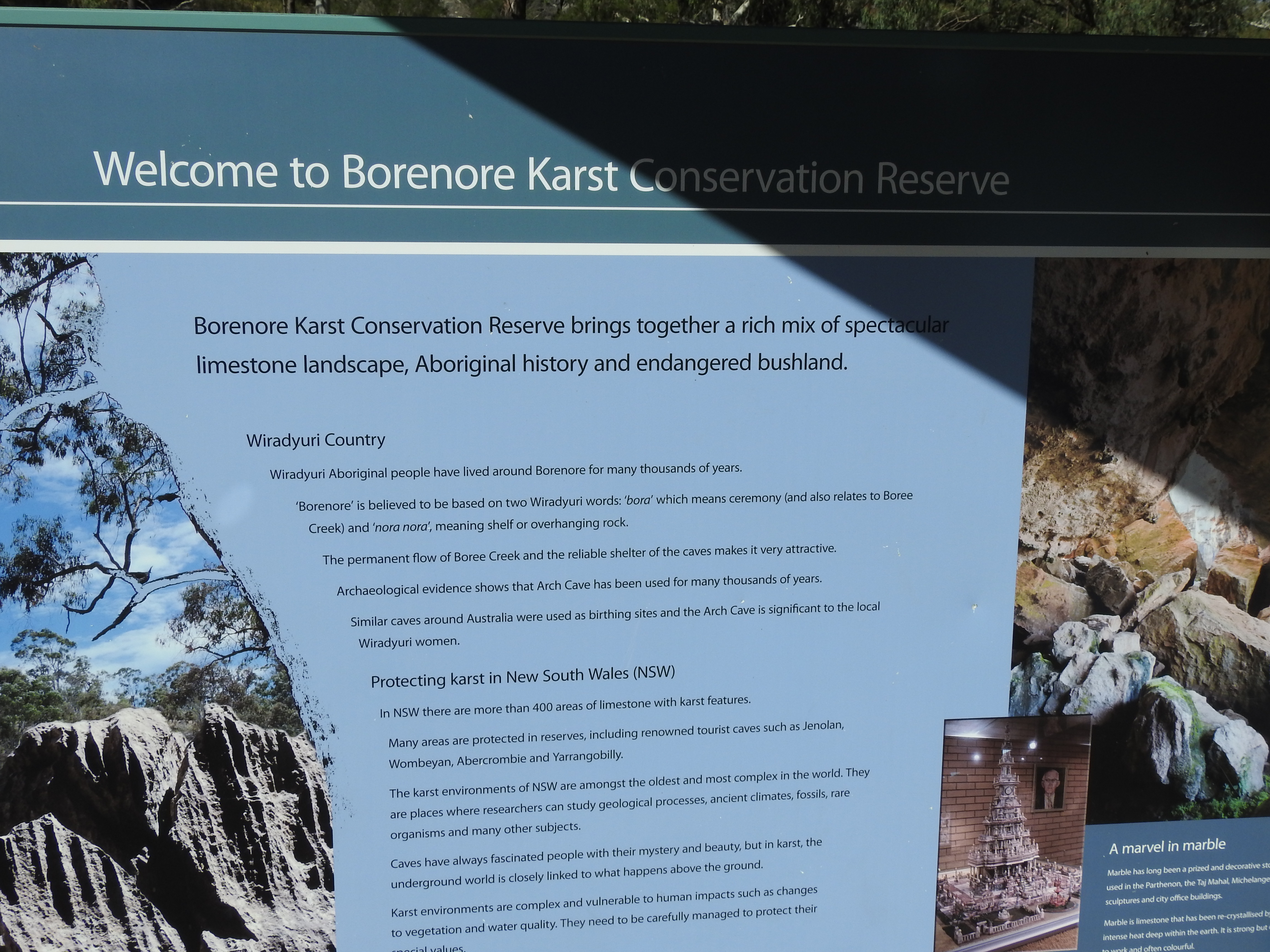
Borenore Karst Conservation Reserve, Orange, NSW (click to enlarge)
Quiet birding day at Round Hill
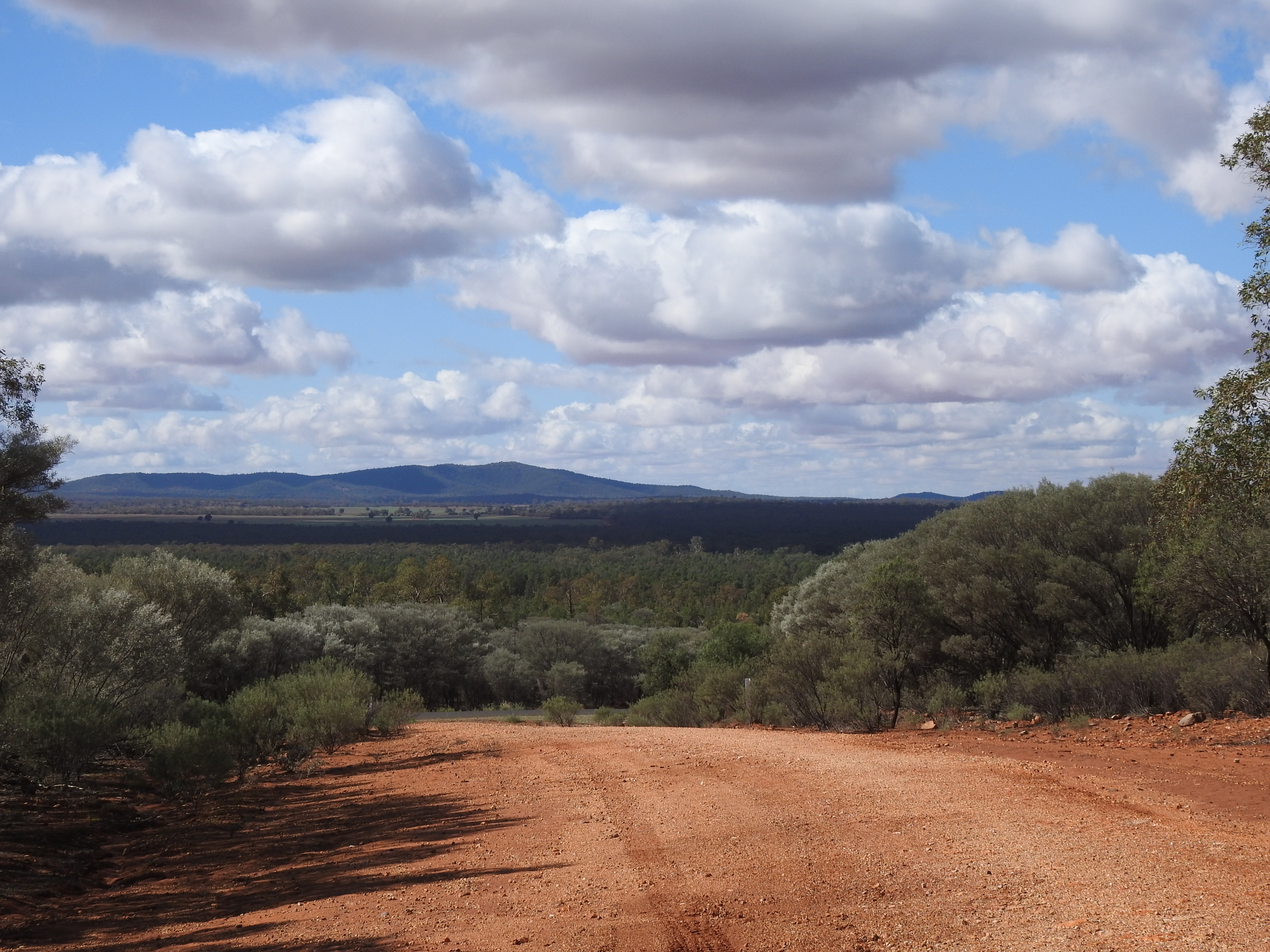
Round Hill Nature Reserve near Lake Cargelligo
During my stay in Lake Cargelligo last month, I planned on staying two nights and having a full day of birding around the district. My main aim was to visit the Round Hill Nature Reserve north-west of Lake Cargelligo. I had previously experienced this reserve some 12 years ago. You can read about that visit in the further reading section below.
Bogged
The whole region around this reserve and for a radius of over 100 kilometres there was evidence of recent heavy rain. Lake Cargelligo had recorded over 50 mm (2 inches) of rain in the days just before I arrived. I was therefore very cautious about getting off the sealed road and onto the dirt tracks leading through the reserve. I did manage to briefly get bogged in the mud at one point, but fortunately, the front wheels were on firm ground and putting my vehicle briefly into 4WD got me out in seconds.
Lunchtime birding
I found a good spot on the firm ground off the track to park and have my packed lunch and a cup of tea. While I ate and drank I kept a record of the birds I saw and heard. It was disappointing, however, that the bush surrounding me was very quiet. I had observed on the way in that not many of the mallee trees were in flower. Consequently, there were very few honeyeaters around. I did get one reasonable photo of a White-eared Honeyeater (see photo below). That was the only glimpse of this bird I had and you can only just see the white patch on its ear.
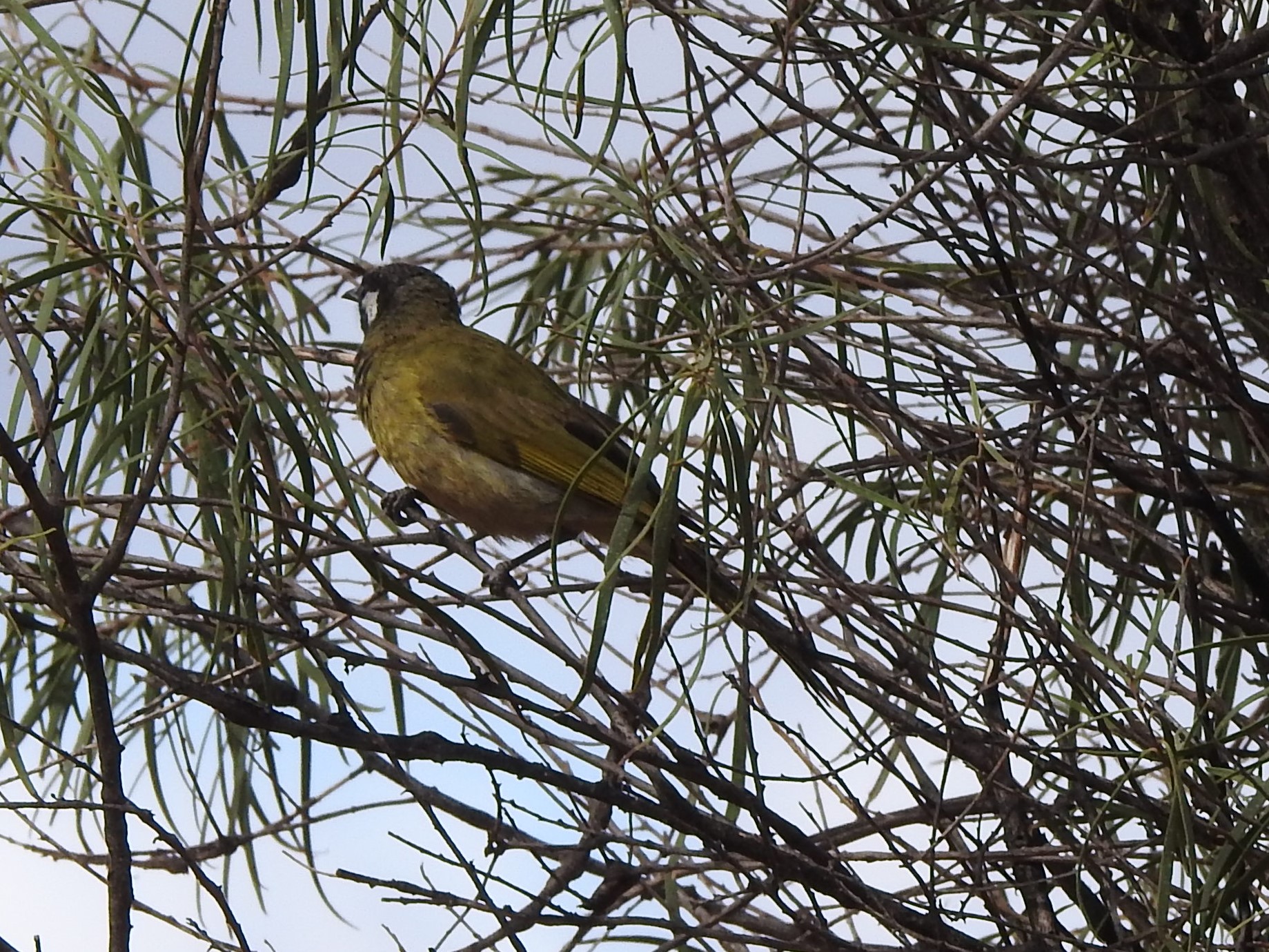
White-eared Honeyeater, Round Hill Nature Reserve
I the distance I could hear a Crested Bellbird but it seemed too far off to chase up for a photo. Two Ringneck Parrots flew past me at one point. They were probably the Mallee Ringneck sub-species. At one point I saw a single bird that puzzled me. I chased after it and approached reasonably close but the light was coming from behind the bird making identification difficult. It was not doing anything of note, nor did it call. These are clues helping one to identify a bird. I managed a few photos but didn’t hold out much hope of getting a good shot.
Thankfully, by enhancing the photos digitally a little I could easily see that I had seen a Spotted Bowerbird, not a species I have seen often in my travelling (photo below).
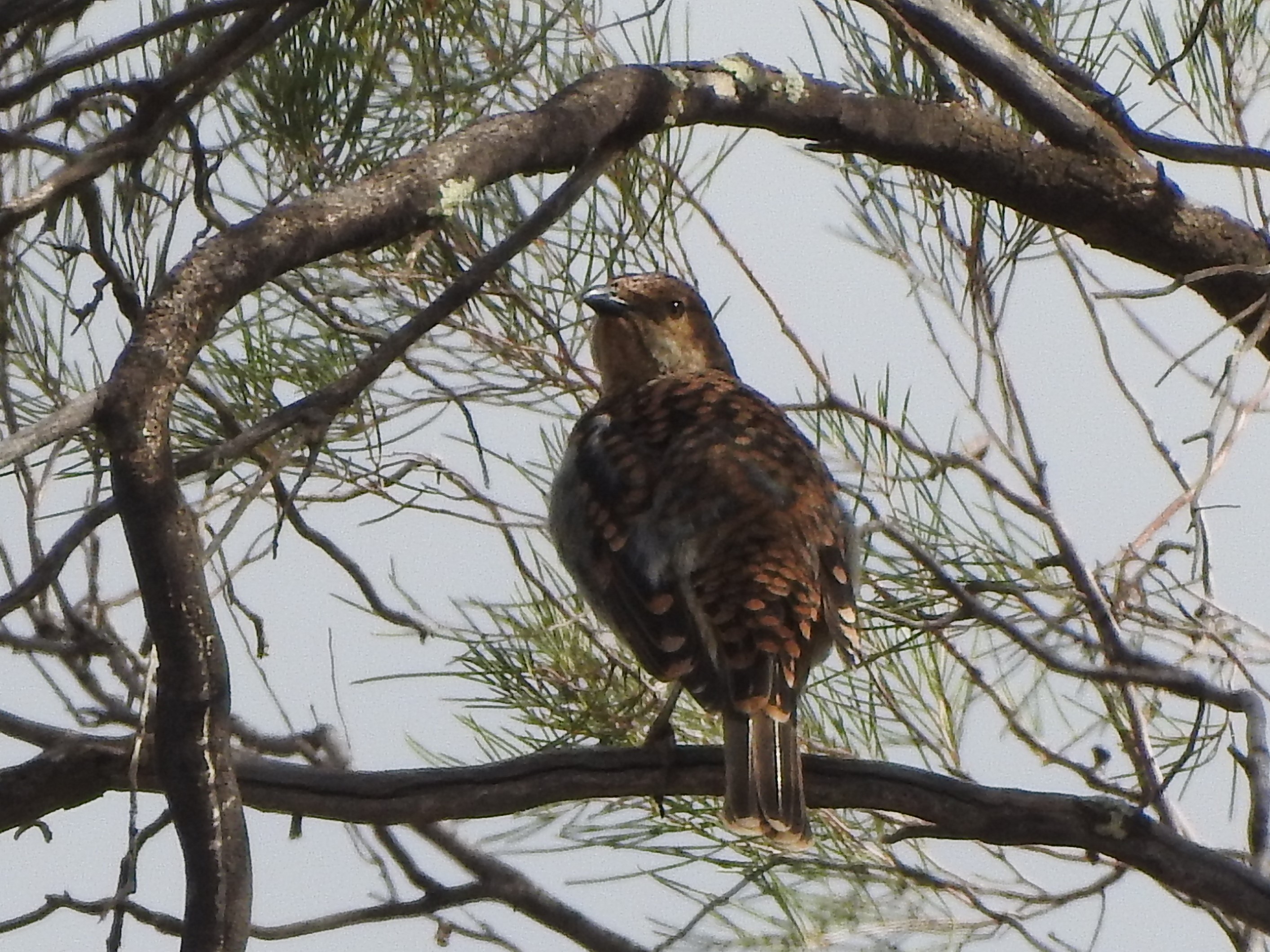
Spotted Bowerbird, Round Hill Nature Reserve
After lunch, I moved to a short track on top of the crest in the road, right next to Round Hill itself. This proved far more fruitful and I added the following species to my modest list:
- Australian Raven: several seen and others calling.
- Weebill – about 8 seen and others calling.
- Yellow-rumped Thornbill – about five seen and one photographed (see below).
- Chestnut-rumped Thornbill – only one sighted briefly.
- Varied Sittella – a small group of 4 which moved on before I could focus my camera on them.
- Australian Magpie – several seen along the road.
- Rufous Whistler – one calling nearby.
- Grey Shrike-thrush – one calling nearby.
- Spiny-cheeked honeyeater – just one seen.
The only other bird I saw was a male Red-capped Robin. I remember taking a photo of a male robin in exactly the same spot on my visit 12 years ago. This time I was not so lucky. I waited patiently for some time for the bird to come into view again but to no avail.
I will post another trip report in a few days’ time.
Good birding,
Trevor
Further reading:
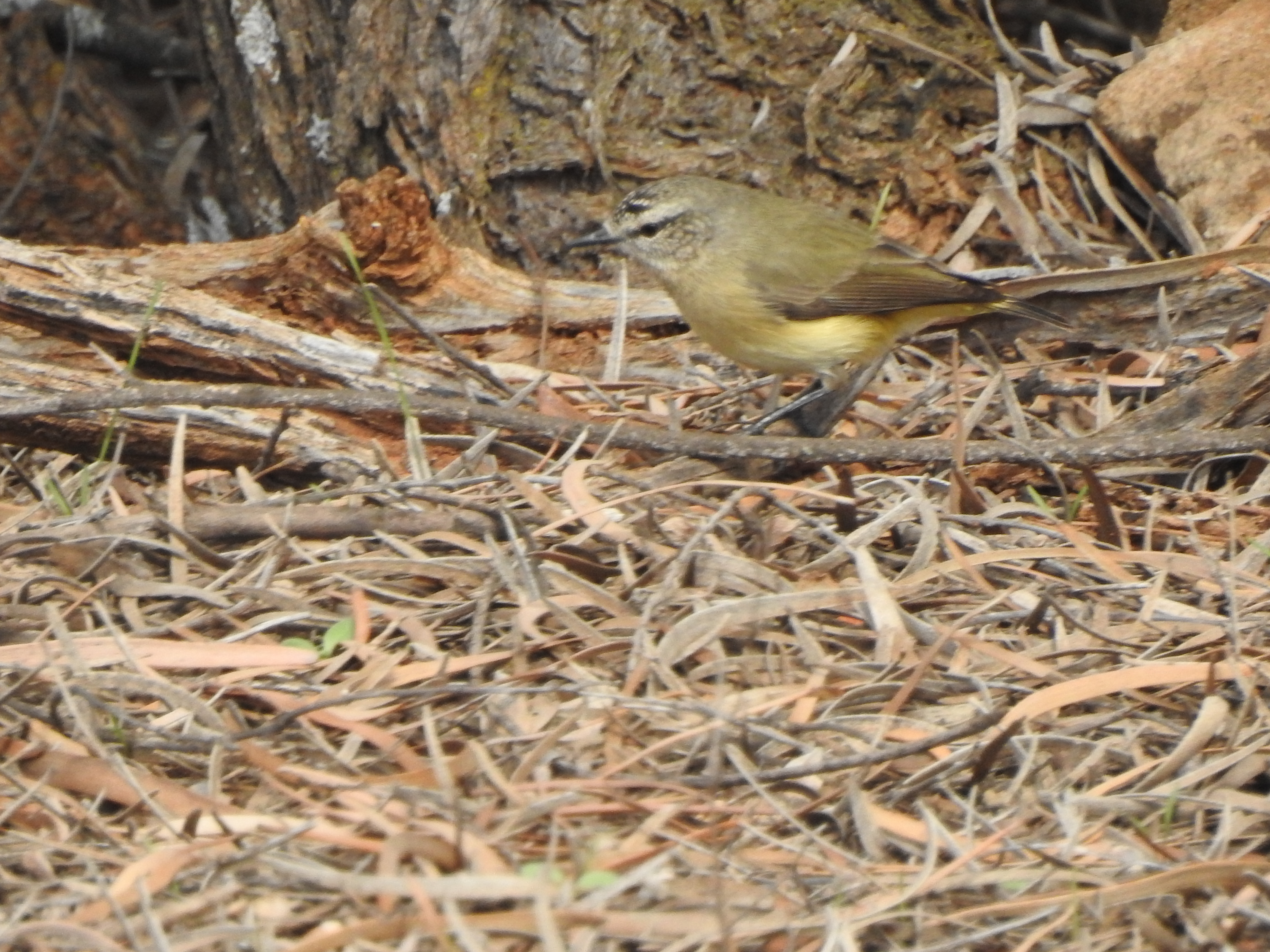
Yellow-rumped Thornbill, Round Hill
Birding at Euabalong
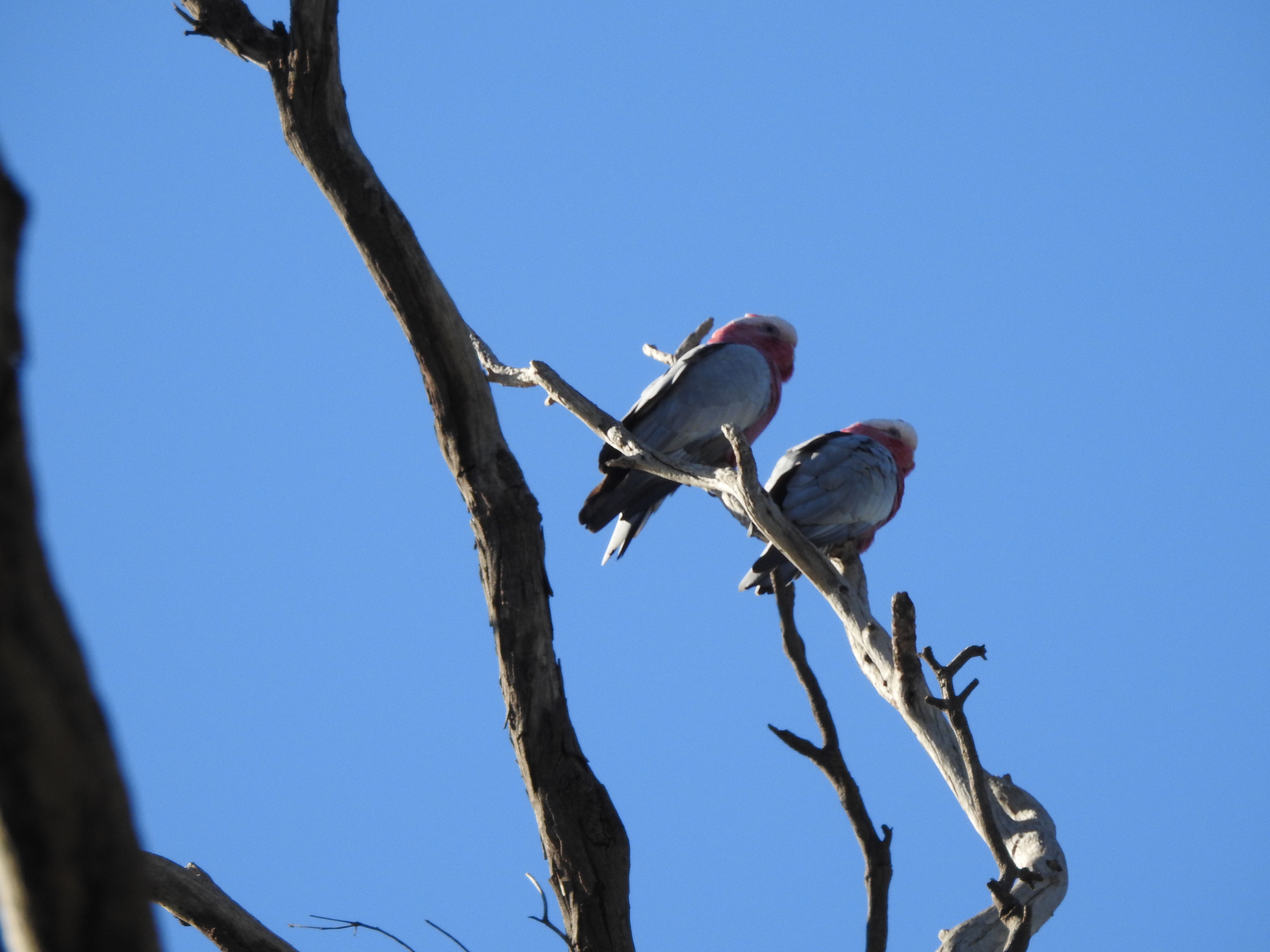
Galahs, Euabalong, NSW
Last month I drove from home in Murray Bridge to my son’s home in Sydney. At just over 1300 kilometres, it is a drive which can be easily done in two days. In more recent trips over there, I have chosen a variety of routes in order to see more of this wonderful land in which we live. On my most recent trip, I took four days to get there, planning to do some birding along the way.
I stayed for two nights in a cabin in the lovely Lake Cargelligo Caravan Park. This town is situated in the mid-west of New South Wales. It is, in fact, almost mid-way from anywhere in the state. The town caters for most needs of travellers but the area has suffered during the recent years of drought. By way of contrast, the area around Lake Cargelligo had received good falls of rain in the few weeks leading up to my visit. Water was lying everywhere, particularly on the sides of all roads. I hope that this good rain will help the farmers recover from their recent drought.
On the day after my arrival, I had planned to do a whole day of birding in the area. My first stop was at the small community of Euabalong which is about a half-hour drive north. The Lachlan River flows through town (see photo below) and it was certainly worth a stop to observe the local bird population.
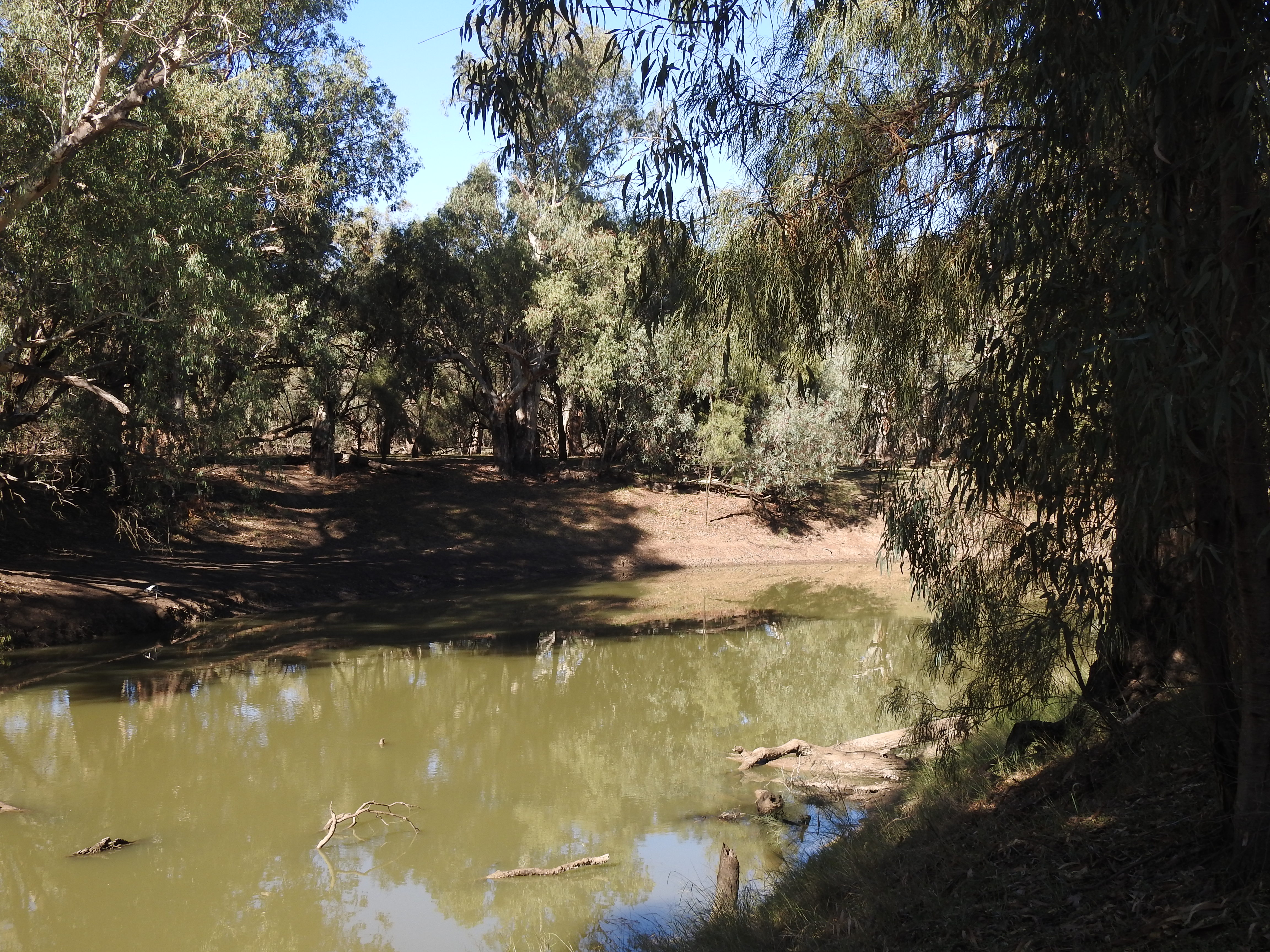
Lachlan River at Euabalong, central NSW
I found a dirt track leading to the banks of the river and stopped for a while to make a list of the birds I could see and hear. The local Sulphur-crested Cockatoos (photo below) were making a terrible racket. They were screeching loudly and flying around erratically. I then spotted the cause of the upset. A Little Eagle and a Wedge-tailed Eagle were swooping low over the eucalypt trees where the cockatoos had been perched. They must have been looking for a mid-morning snack. I only saw the two eagles momentarily before they glided out of view. There was no opportunity to get a photo or two. Some Little Corellas (photo below) and Galahs (photo above) were also a part of the ruckus.
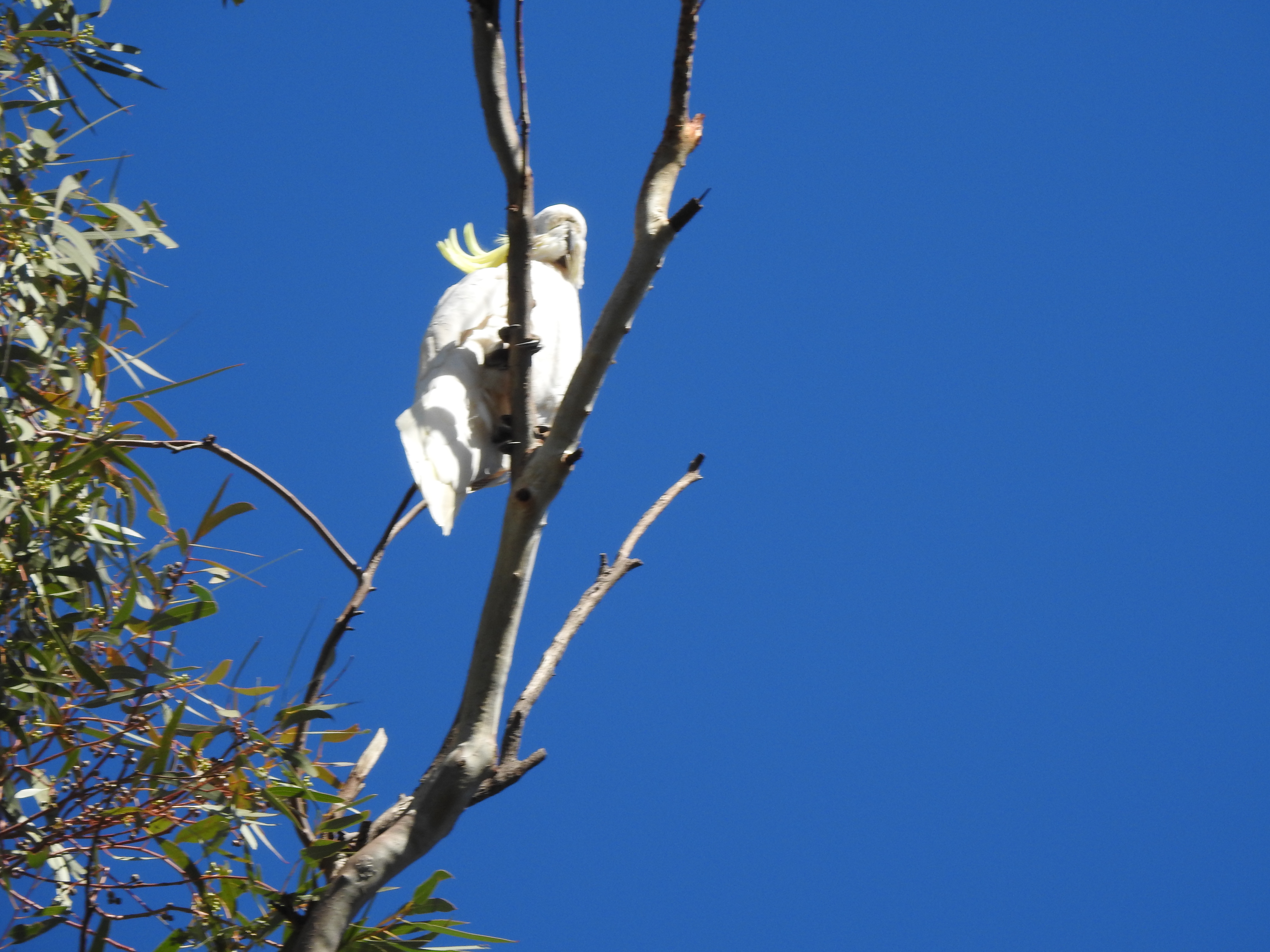
Sulphur-crested Cockatoo at Euabalong, NSW
After leaving the picnic area next to the Lachlan River, I drove slowly around the small town (population less than 200) to add to my list of birds seen or heard. I could easily have added to this list by stopping elsewhere in the town, but other places were calling me to keep going.
Here is a list of birds I listed:
- Australian Raven (several)
- Crested Pigeon (2)
- Magpie-lark (2)
- Red-rumped Parrot (4)
- Galah (about 30)
- Sulphur-crested Cockatoo (100+)
- Little Eagle (1)
- Wedge-tailed Eagle (1)
- Black-backed Magpie (2)
- Peaceful Dove (1 heard)
- Apostlebird (5)
- House Sparrow (30)
- Welcome Swallow (2)
- Pied Butcherbird (1)
- Little Corella (2 photographed but there would have been more in the flying flock)
My next stop was Euabalong West, just several kilometres to the west. There I added the following species:
- Superb Parrot (1)
- White-winged Choughs (15)
- Noisy Miner (5)
- Spiny-cheeked Honeyeater (1)
- White=plumed Honeyeater (5)
Happy birding,
Trevor
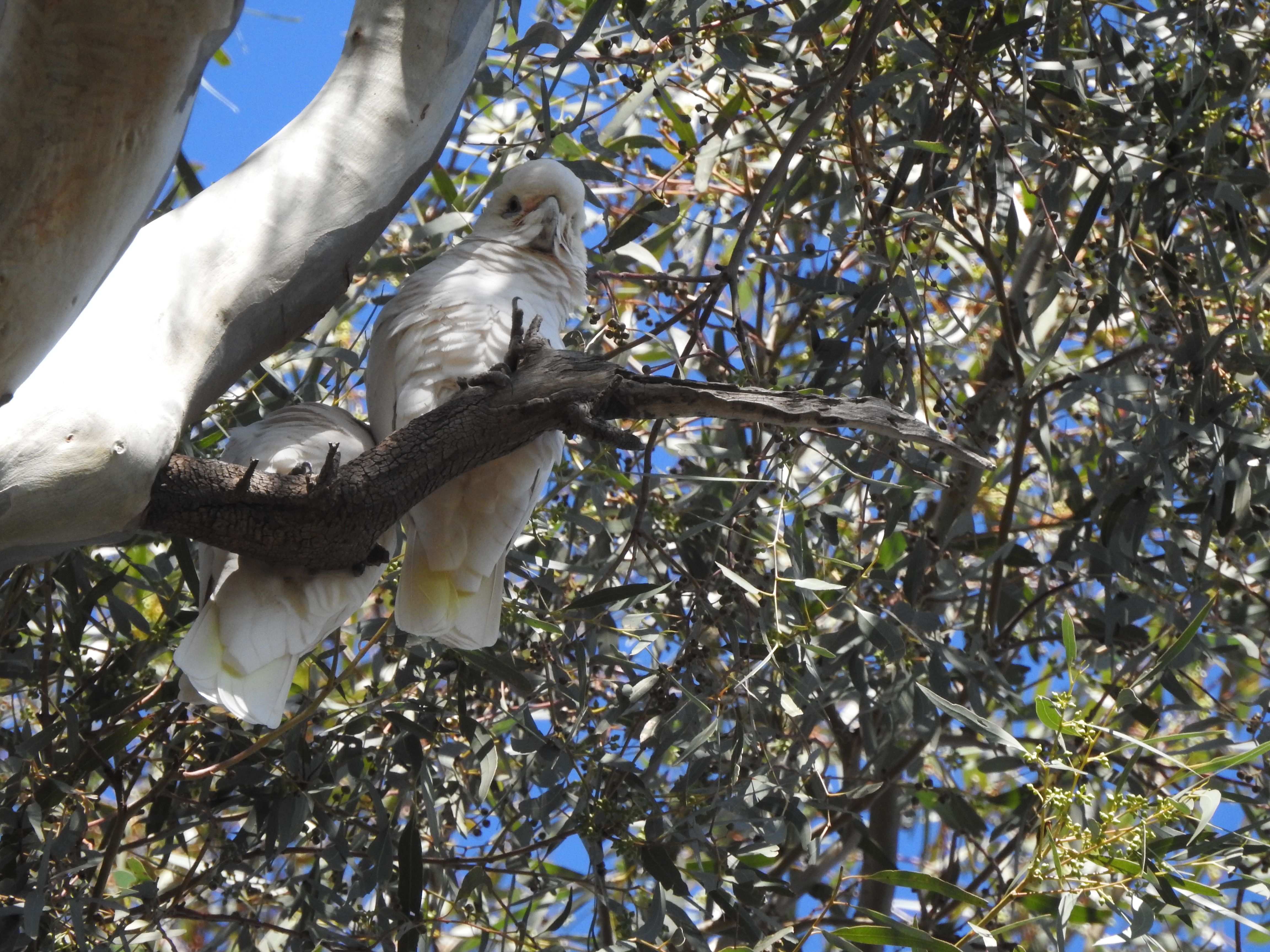
Little Corellas, Euabalong, NSW
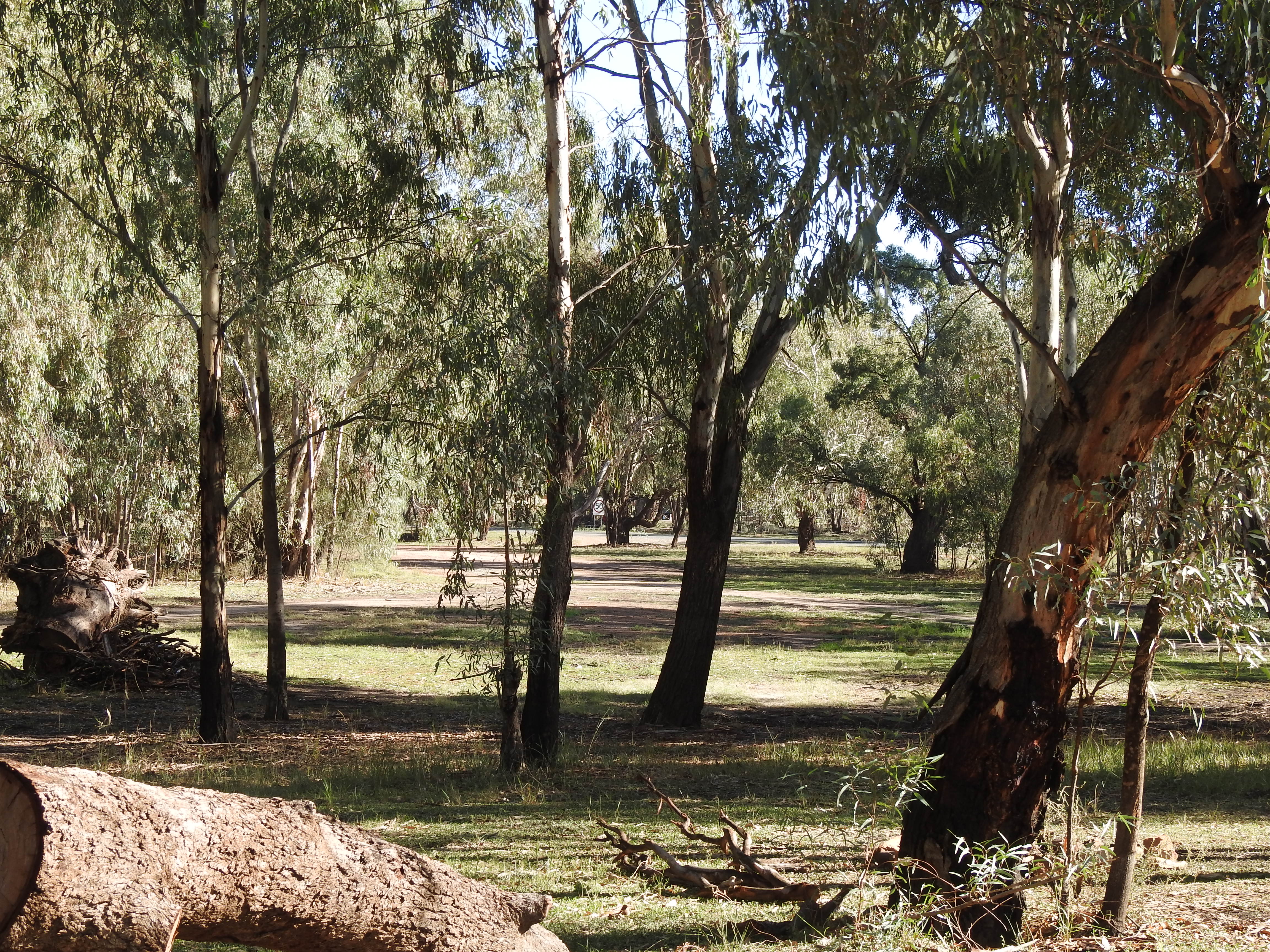
Park like area near the Lachlan River at Euabalong
Birding at Lake Cullulleraine in northern Victoria
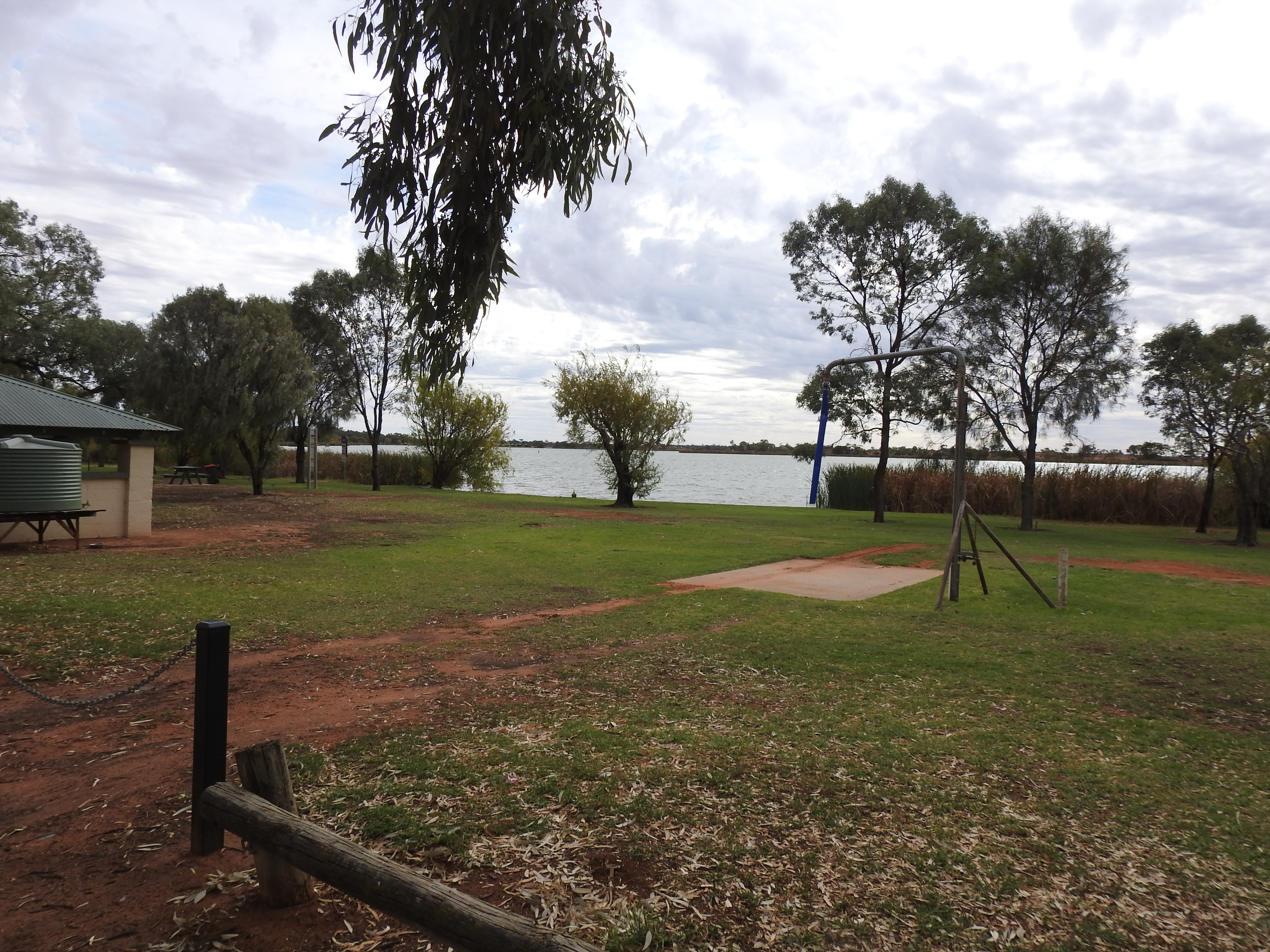
Lake Cullulleraine, northern Victoria
In recent days I have been on the road again. This is my first major trip since October of 2018. I was on my way to Sydney to stay with family but I decided to take a completely different route this time. Normally I travel almost due east, travelling through Pinneroo, Ouyen, Balranald, Hay, Wagga Wagga and Goulburn. On this trip, I headed north from my home in Murray Bridge to Blanchetown where I crossed the Murray River.
I headed on east past Waikerie, Berri, Renmark and on towards Mildura in north-west Victoria. By the time I reached the small community of Lake Cullulleraine, it was time for a break and for lunch. Whenever I am travelling, I usually look for a good birding spot to add to my list of birds seen. This lake and the area nearby have always proved to be a satisfactory birding spot. In fact, many years ago my wife and I spent a lovely week in our old caravan here.
The lake is filled from the nearby Murray River and the whole river-lake complex is a rewarding birding area. Added to that is the farming area surrounding the lake which adds a different birding environment. Where the land is not used for agriculture, the remnant mallee scrublands provide birding experiences of yet another type.
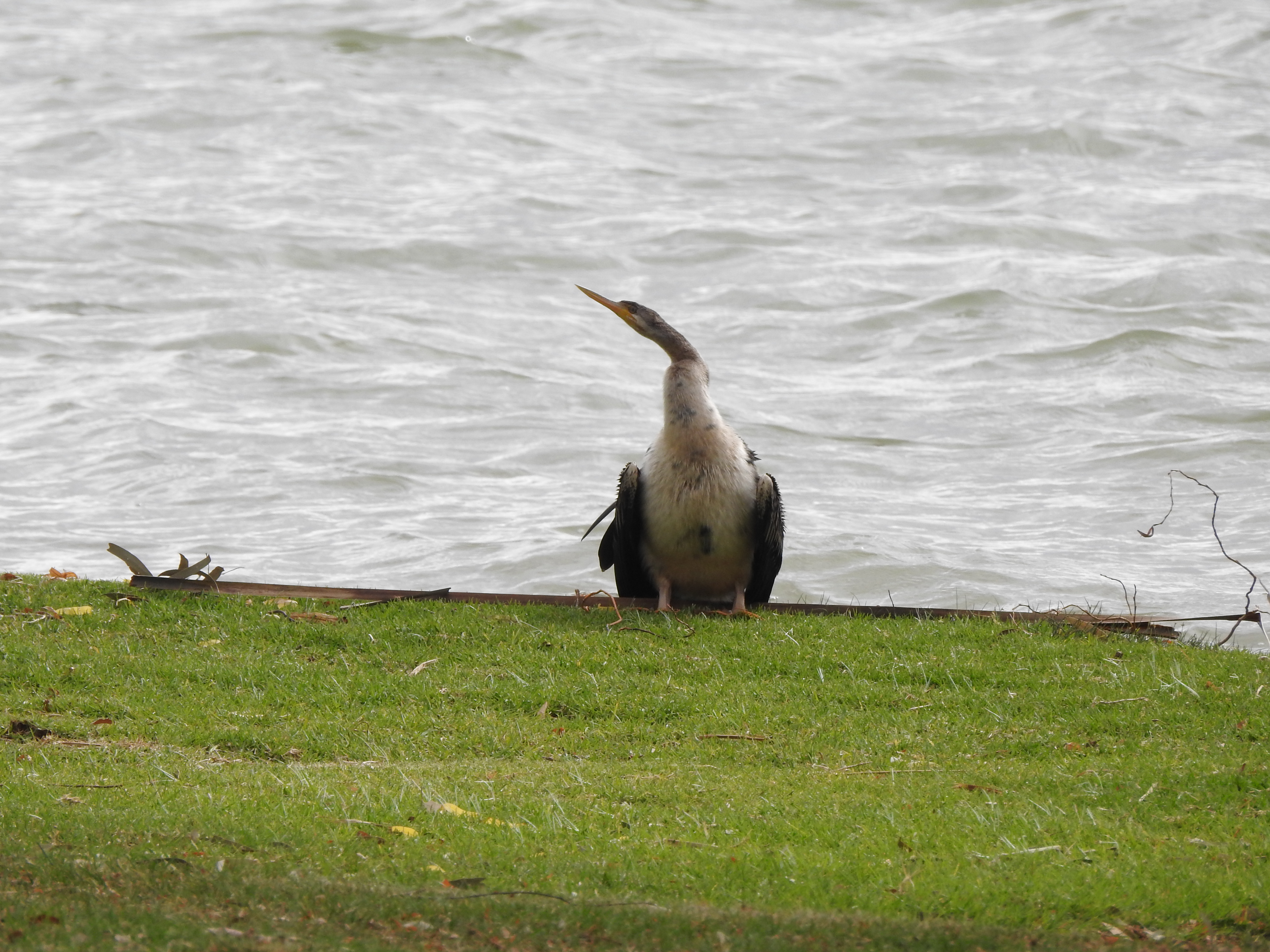
Darter, Lake Cullulleraine
As soon as I pulled up in the car park I saw a Darter drying its wings though when I took the photo above it had closed its wings for a moment. As I was having my lunch I listed all of the other birds observed around the picnic area or on the nearby lake. The following is a list of the species seen:
- Darter
- Australian Raven
- Purple Swamphen
- Australian Wood Duck (about 60)
- Black-tailed Native-hen
- Noisy Miner
- Magpie-lark
- Apostlebird (photo below)
- Willie Wagtail
- Little Corella (about 30)
- Crested Pigeon
- Australian Pelican (one only flying overhead)
- Eurasian Coot
- Australian Magpie
- Pied Butcherbird
- Masked Lapwing
- Red Rumped Parrot
It is not a long list but it was good to get started on listing the birds seen on my trip through South Australia, New South Wales and Victoria over the next few weeks. I will write about the birds I see on my journeys in the coming posts on this site.
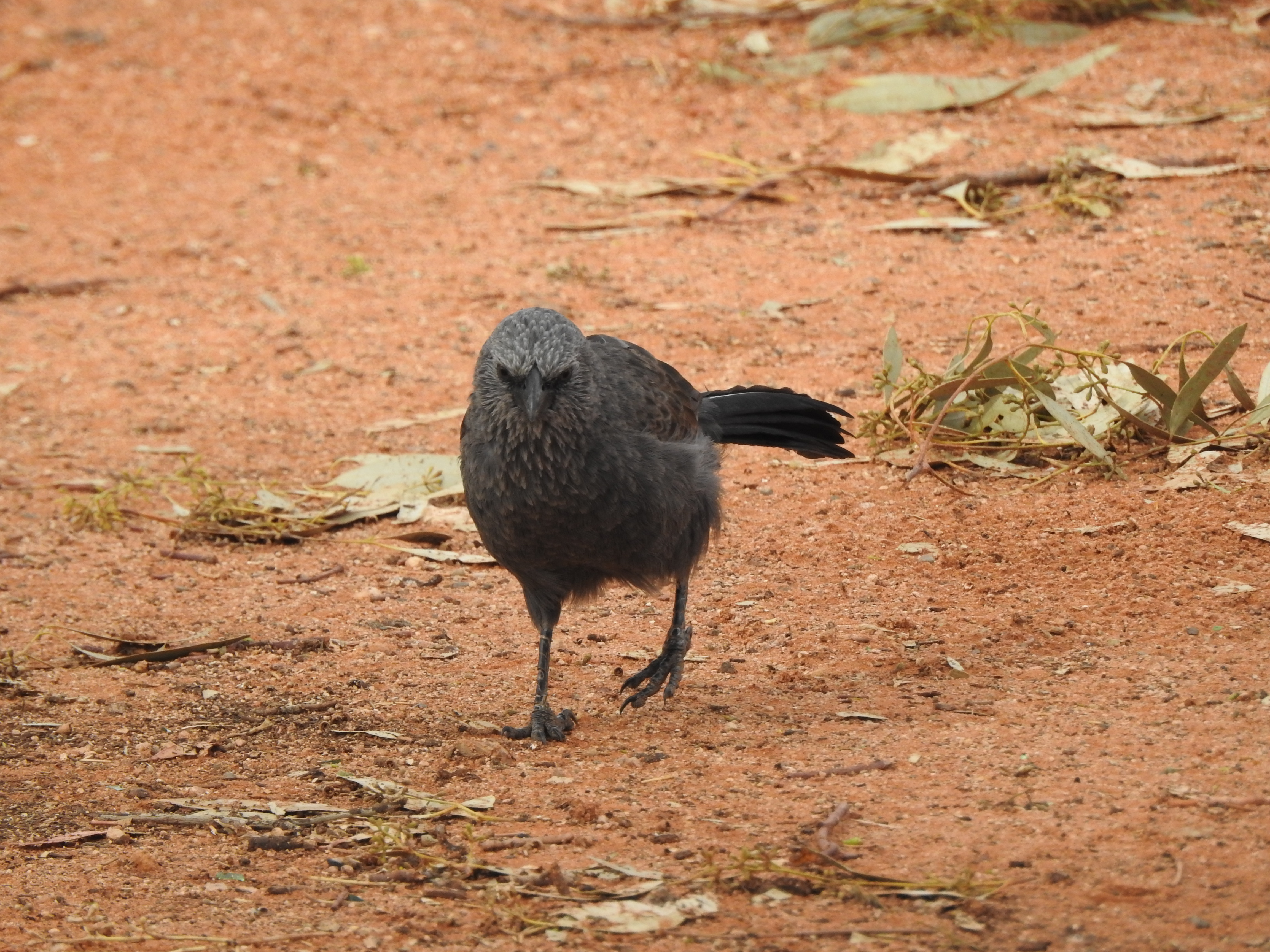
Apostlebird, Lake Cullulleraine
As I prepared to leave, a small family of Apostlebirds came meandering around my car enabling me to get some good photos. They were constantly calling to each other while they scratched at the ground seeking out a few items to eat for their lunch.
Good birding,
Trevor
My first birding visit to Capertee Valley
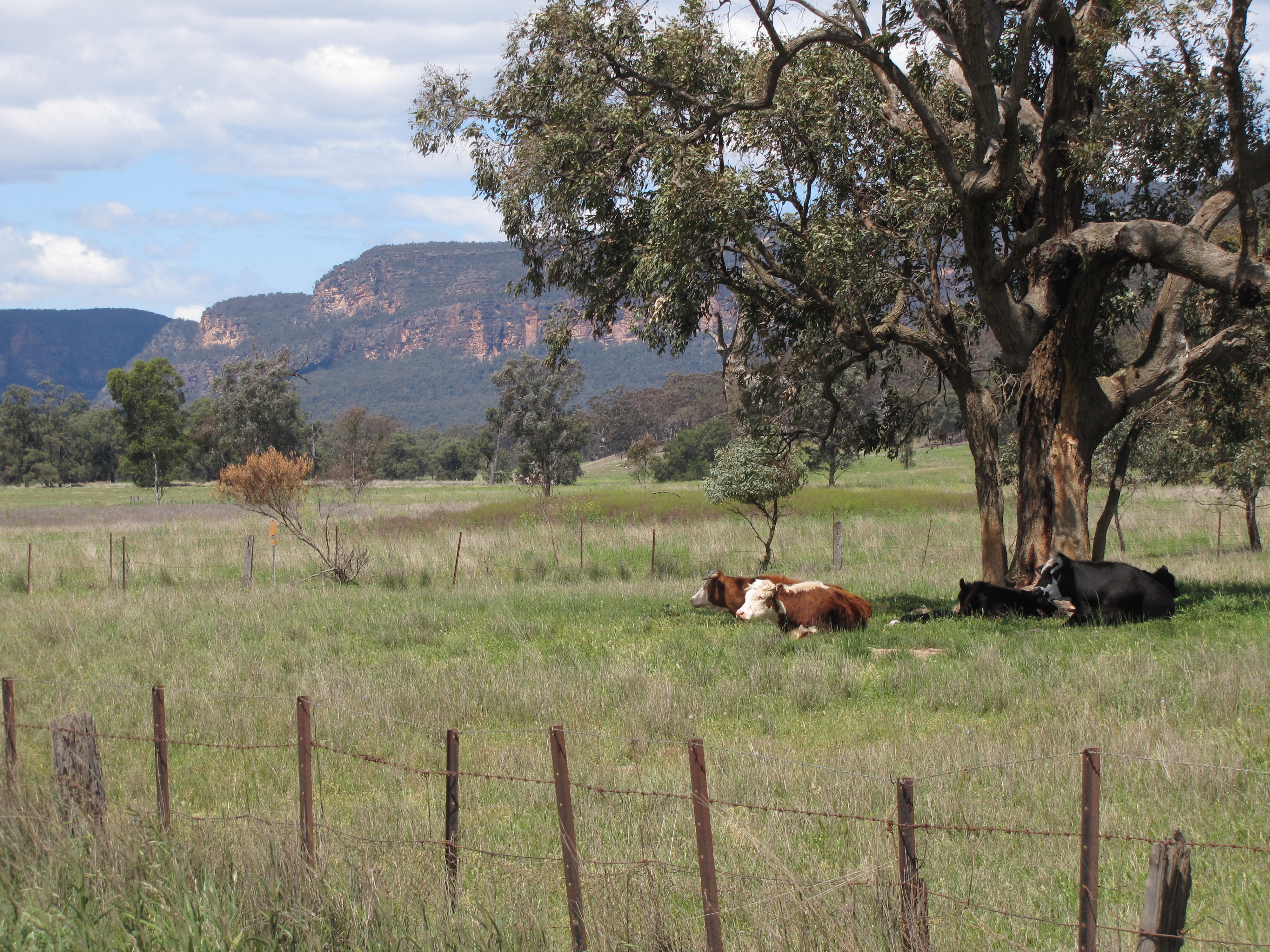
Capertee Valley, New South Wales
After our trip to stay with family in Sydney last year, I decided to take a different route back home to Murray Bridge. On our previous trip we had travelled from Sydney via Katoomba to Dubbo on the first day on the return trip. North of the town of Lithgow we drove through the village of Capertee. I remember stopping there to change drivers. On that occasion, we continued on to Dubbo where we stayed the night. We planned to visit the Western Plains Zoo near Dubbo the following day.
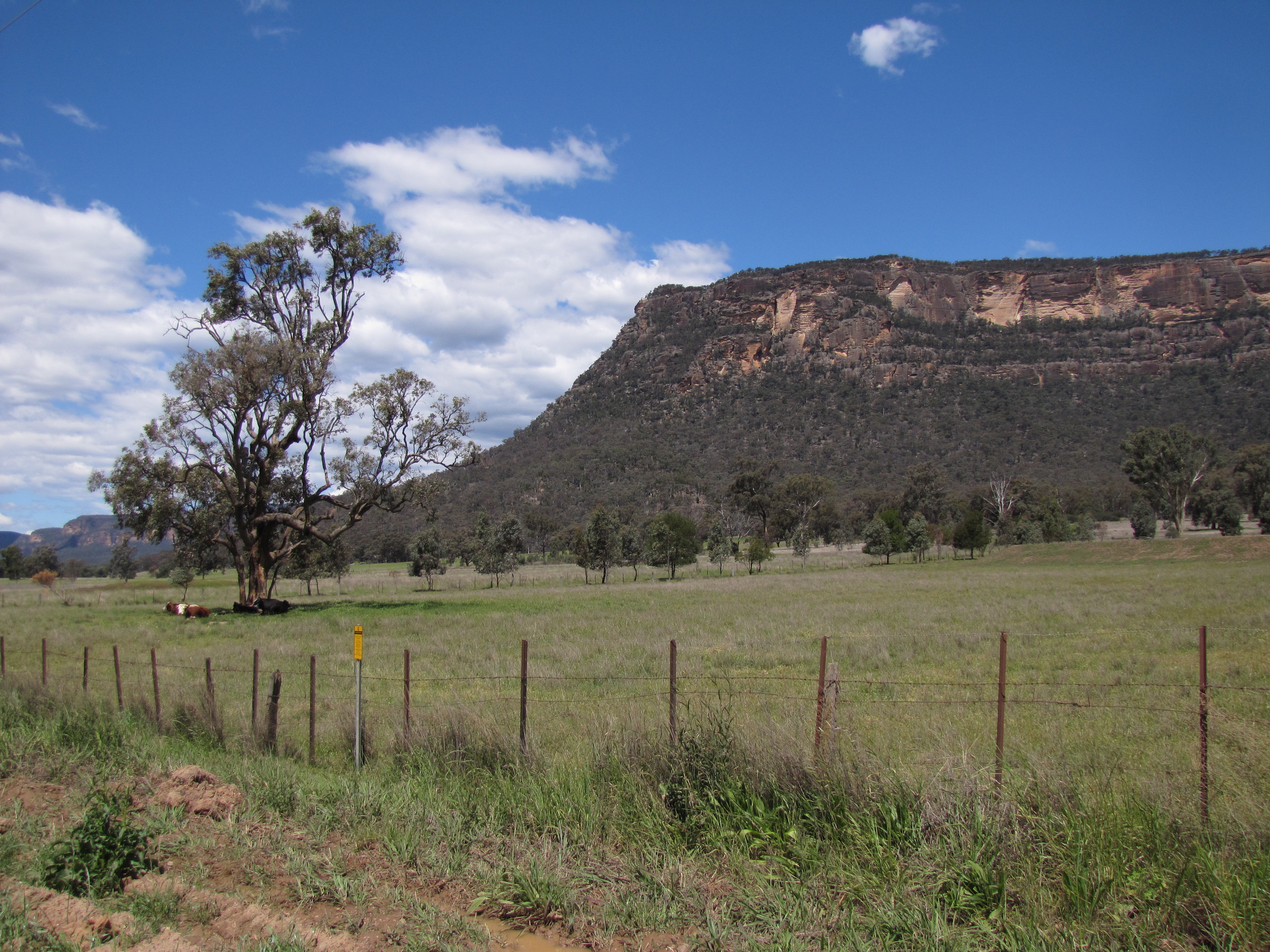
Capertee Valley, New South Wales
On this trip, however, I planned our homeward trip differently. We planned to stop for the night in Mudgee. This was so we could drive through the popular birding area known as Capertee Valley. I had read a great deal about this valley from other birders, so I was looking forward to a good afternoon of great birding. I ended up being somewhat frustrated and a little disappointed. Because of the distances we travelled that day, I underestimated how much birding time I would actually have. Most of the day was taken up travelling. I should have scheduled several days in this area – at least a whole day, anyway.
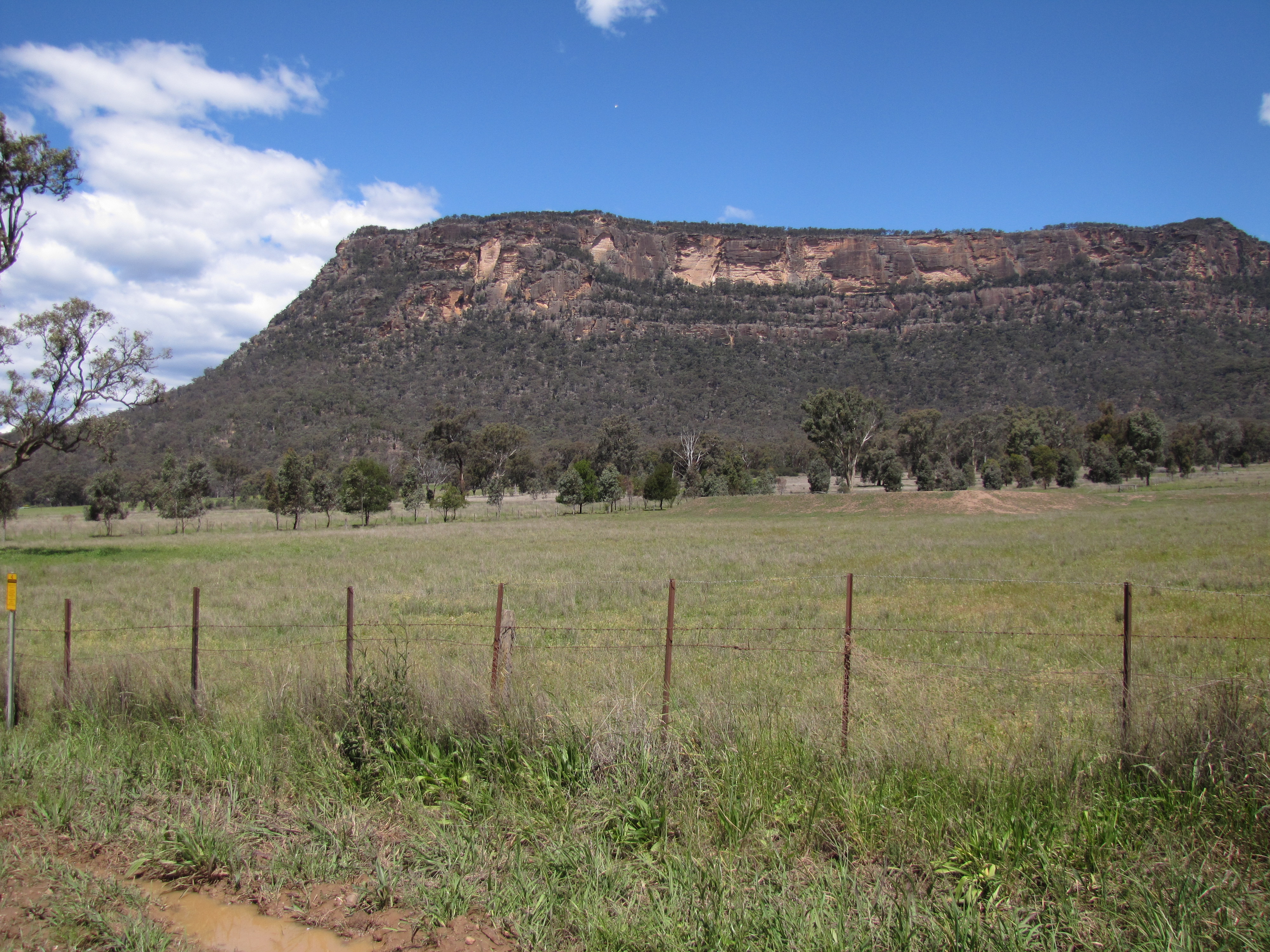
Capertee Valley, New South Wales
Our first stop was just a few kilometres east of Capertee. It was lunchtime, so we stopped at a clearing in the forest on the side of the road.
It was quiet.
Far too quiet. As we sat there eating our picnic lunch, I heard just one bird calling, possibly a treecreeper but I couldn’t be sure which species. I didn’t see a single bird for that whole half hour. Admittedly, around midday is quite often the quietest period for birding here in Australia, especially on hot days. On this occasion, it was pleasantly warm.
As we were having our cup of tea – we always carry a thermos or two of hot water on these trips – a lady pulled up behind our car asking for directions. She, too, was a birder and this was her first venture into this area. Although we knew little of the area, and certainly not how to get to the place she was attempting to visit, we helped her as best we could.
Driving further on along the road travelling east, we eventually came to open country with occasional farmhouses nearby. The vista opened up to spectacular views ahead of us, and to the south. I stopped at one point and took the scenery shots shown above and below. In this area, I saw occasional ravens (probably Australian Ravens), a few Australian Magpies (back-backed sub-species here) and a few Magpie Larks and very little else. At one point I stopped the car, grabbed my camera and zoomed in on a bird quite some distance away. It was sitting on a fence post. I have included the very poor photo below. I think it was an Australasian Pipit.
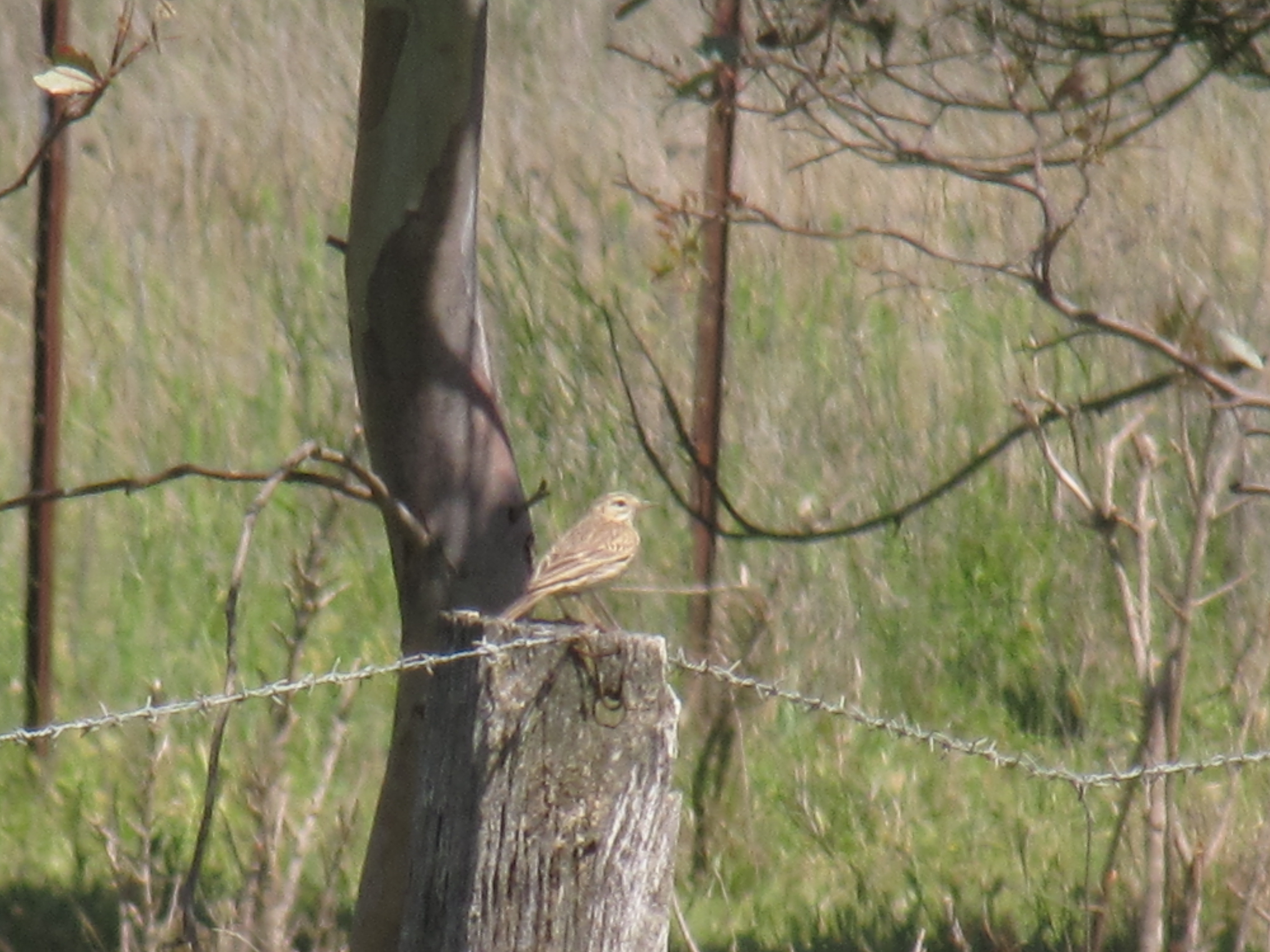
Australasian Pipit?
We continued on until we came to an intersection where we turned left and drove north along towards the small community of Glen Alice. The countryside along this road is wonderfully spectacular, with towering sandstone cliffs bordering the valley. This road has a generally good quality dirt or gravel surface, though there was some evidence that recent heavy rain in the district can cause motorists a few problems.
Also along this road, and the road from Glen Alice to Rylestone, there are waypoints labelled “Bird Watching Site” with numbers ranging up to at least 19. While there is a pamphlet guide available for birders giving the location of these sites, I didn’t track one down. I think that they are available in Capertee. They certainly would be handy. Near the public toilets in the roadside park in Capertee there is a detailed map of the area showing all of the birding sites, along with lists of what can be seen at each point. Update: the pamphlet can be downloaded here as a PDF.
While my first visit to the Capertee Valley was somewhat disappointing, I did have some good sightings while we had afternoon tea at Glen Alice, but I will write about that in a few day’s time. This brief four-hour visit has given me the incentive to revisit this area in the near future, but for a much longer time.
Related reading:
- Birds and animals of the Western Plains Zoo, Dubbo
- Capertee Birder – an amazing collection of articles about the valley as well as sound recordings of some of the birds of the valley.
- Capertee Valley Birdlist and map of birding sites as a PDF file.
- Carol Probets site BM Birding – an excellent resource
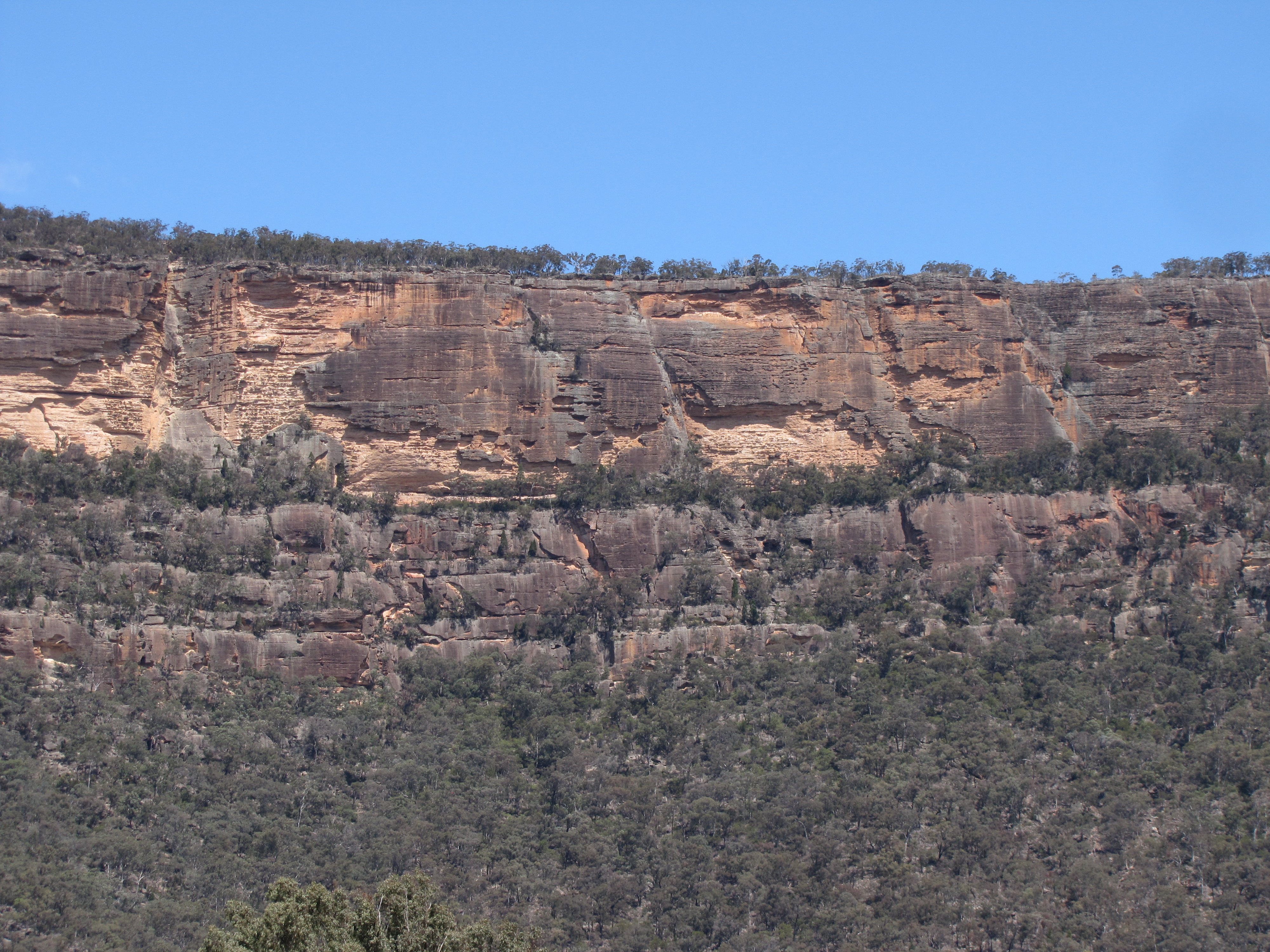
Capertee Valley, New South Wales
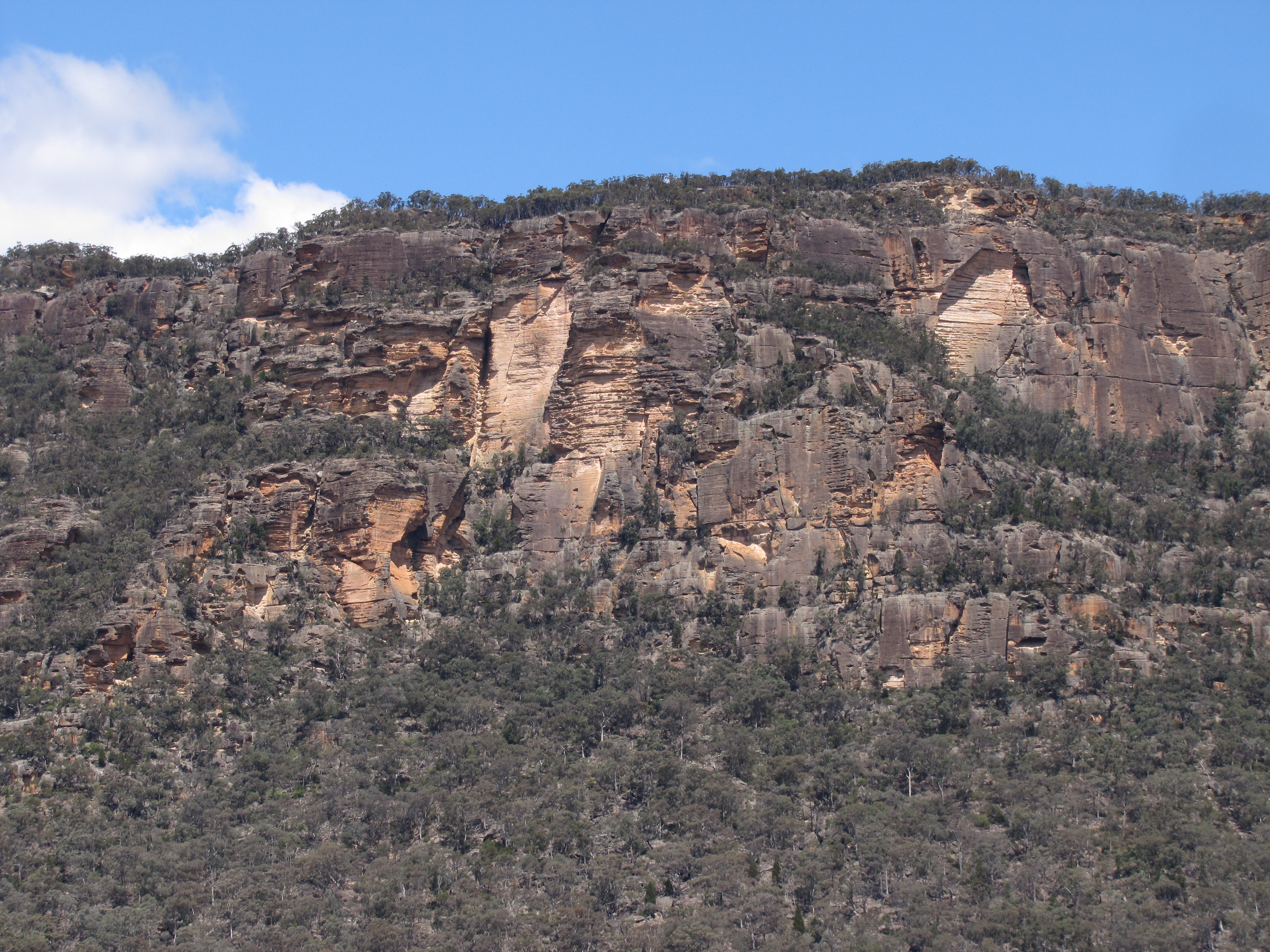
Capertee Valley, New South Wales
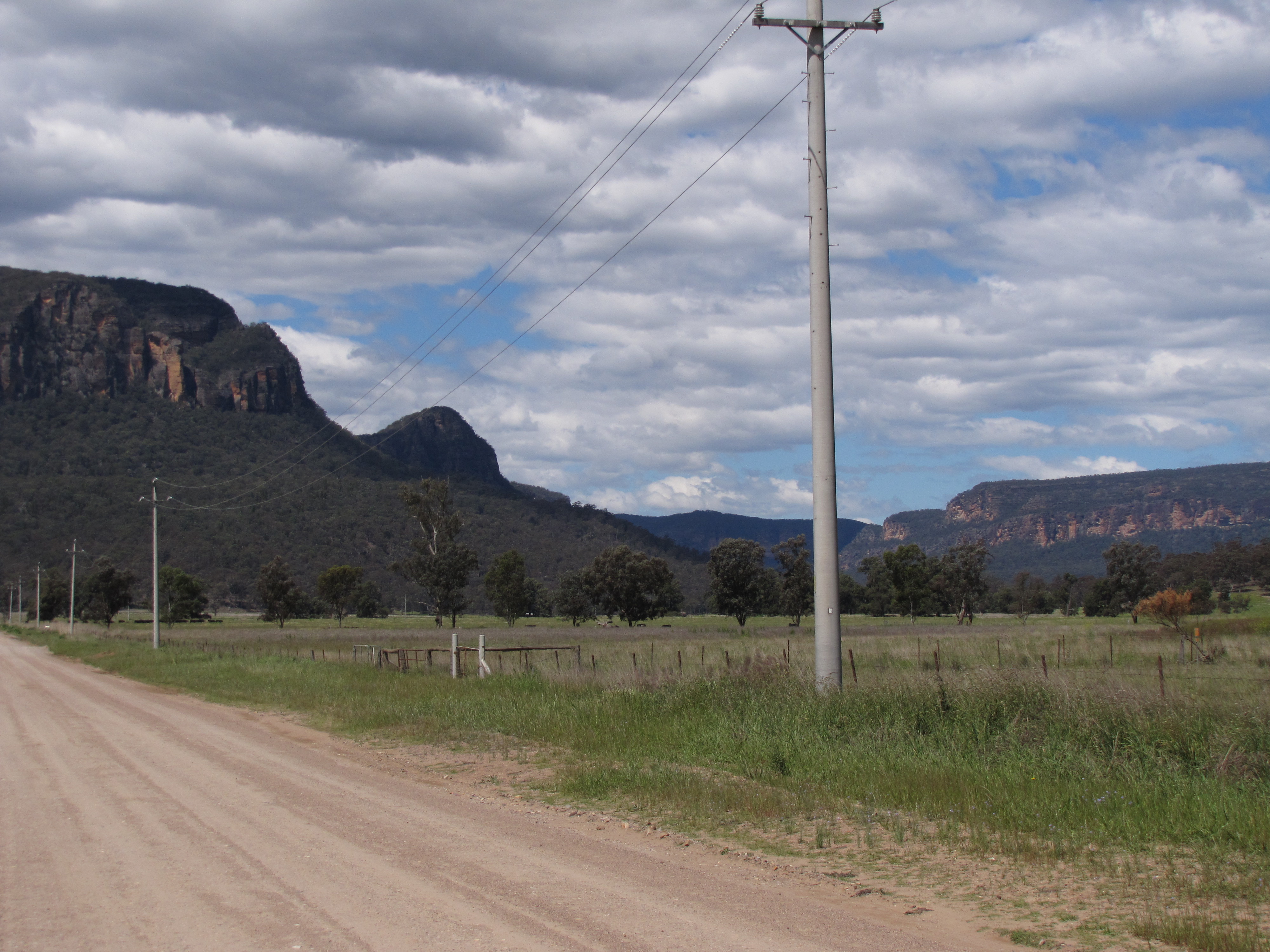
Capertee Valley, New South Wales