Birds and animals of Monarto Zoo
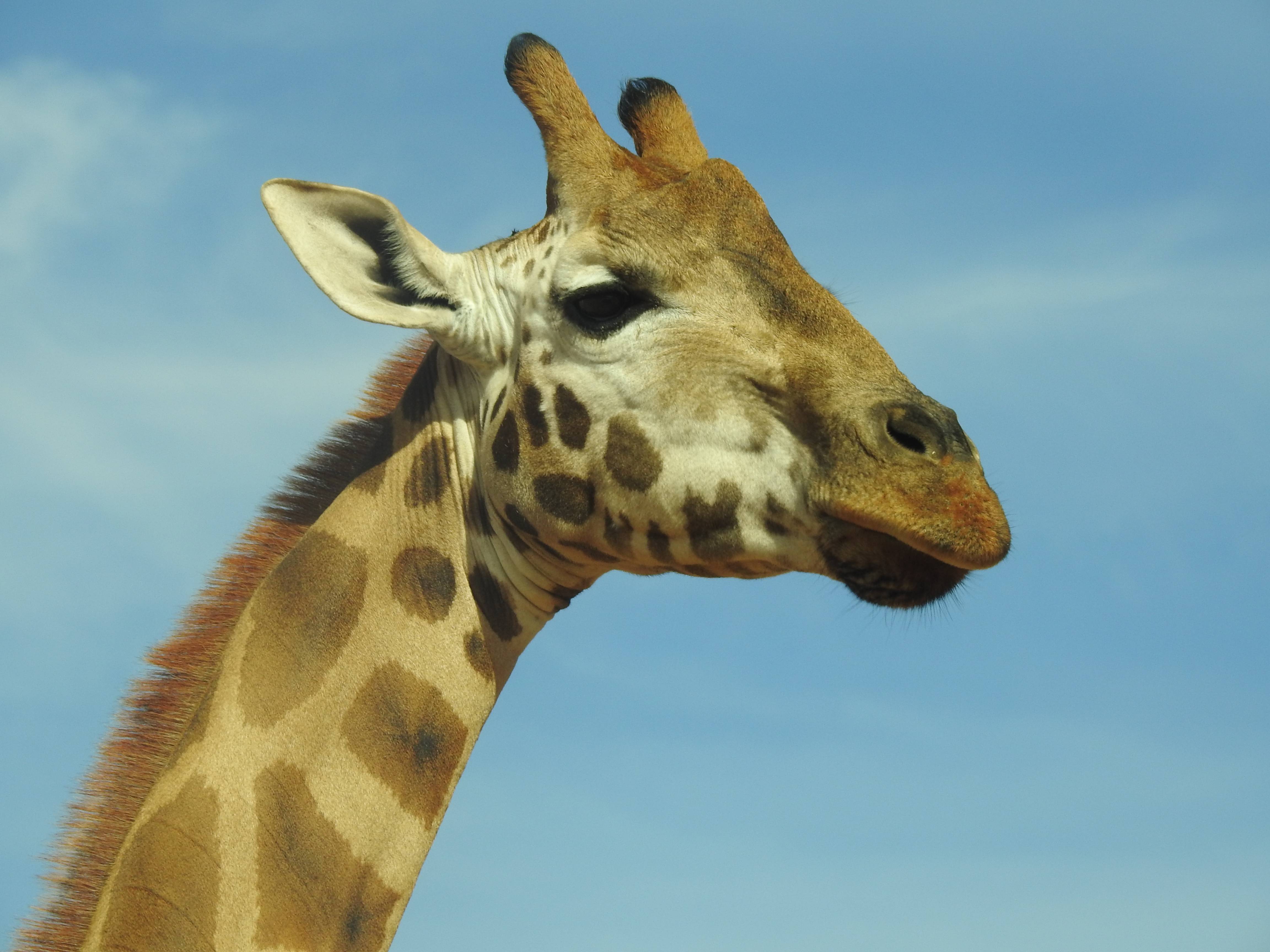
Giraffe in Monarto Zoo
Recently my friend Keith took me to Monarto Zoo. This open range zoo is about an hour’s drive south-east of Adelaide, South Australia and about ten minutes drive from my home. Over the years I have lived nearby I have been many times to this zoo which is a part of the larger Adelaide Zoo. My friend Keith is a volunteer guide at the zoo, so it was a different experience having my own personal guide for the day.
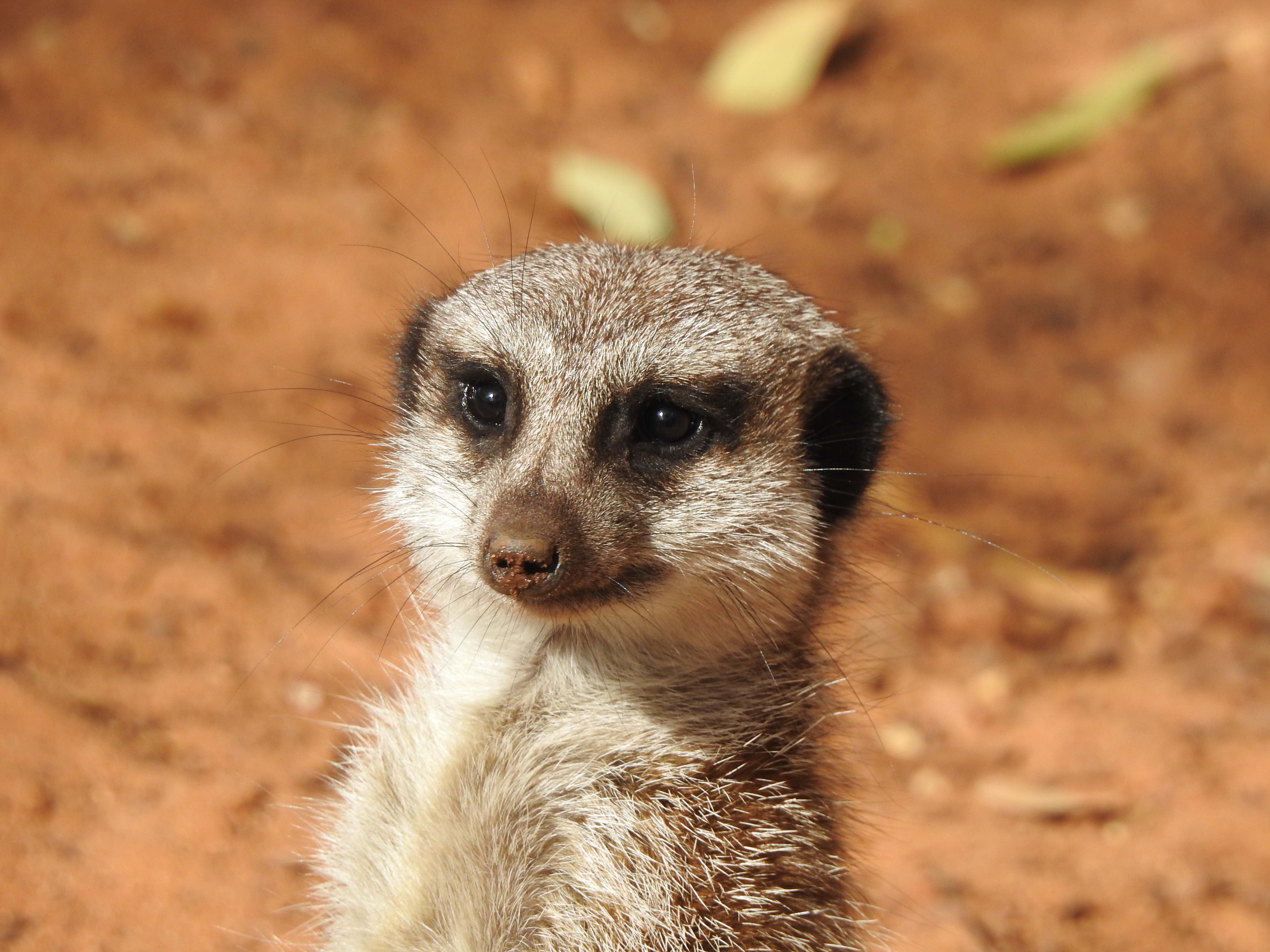
Meerkat in Monarto Zoo
On arriving at the zoo we had a look at the Meerkats and African Crested Porcupine displays near to the visitor centre. I love the Meerkats because they frequently pose so nicely for photos. In reality, they are just acting naturally, usually one or more are sentries keeping their eyes on the lookout for any danger. Some of our larger raptors such as the various hawks and eagles found in this area would happily swoop down to catch a meal.
I was also delighted to get a good photo of the African Crested Porcupine. I hadn’t realised that the two porcupines on display were present in the zoo. They are a fairly recent addition to the collection and it has been a while since my last visit.
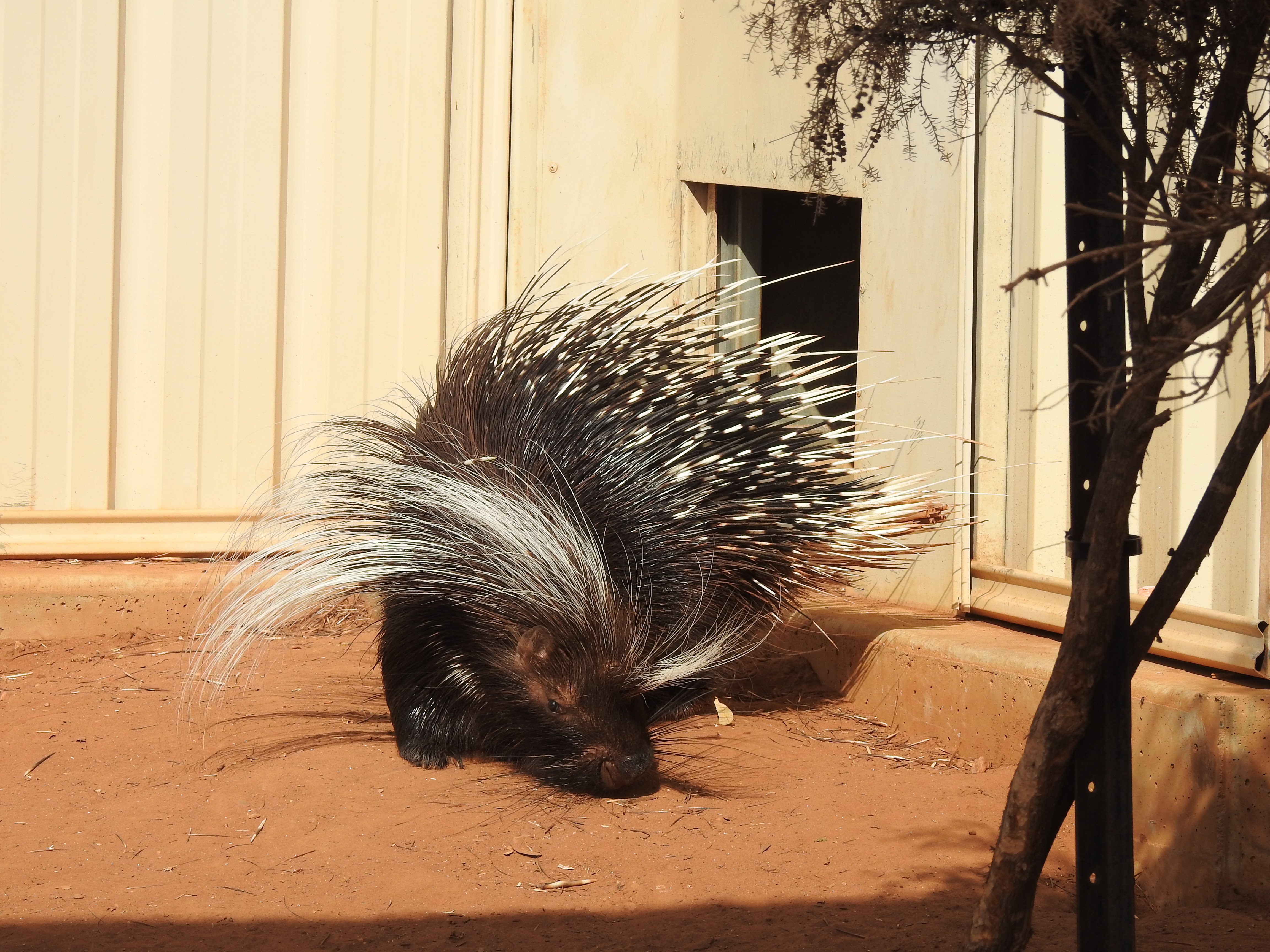
African Crested Porcupine in Monarto Zoo
After a short wait, we caught the first bus tour of the zoo. There are two main ways of seeing the zoo; most people take a bus tour but quite a few alight from the bus at various points during the tour to walk to see various exhibits, or to walk the good walking trails throughout the zoo property. We chose to do part of the tour and then get off and walk one of the tracks leading back to the visitor centre where we had a delicious lunch. (I can recommend the salt and pepper squid – but there are many more items on the menu.)
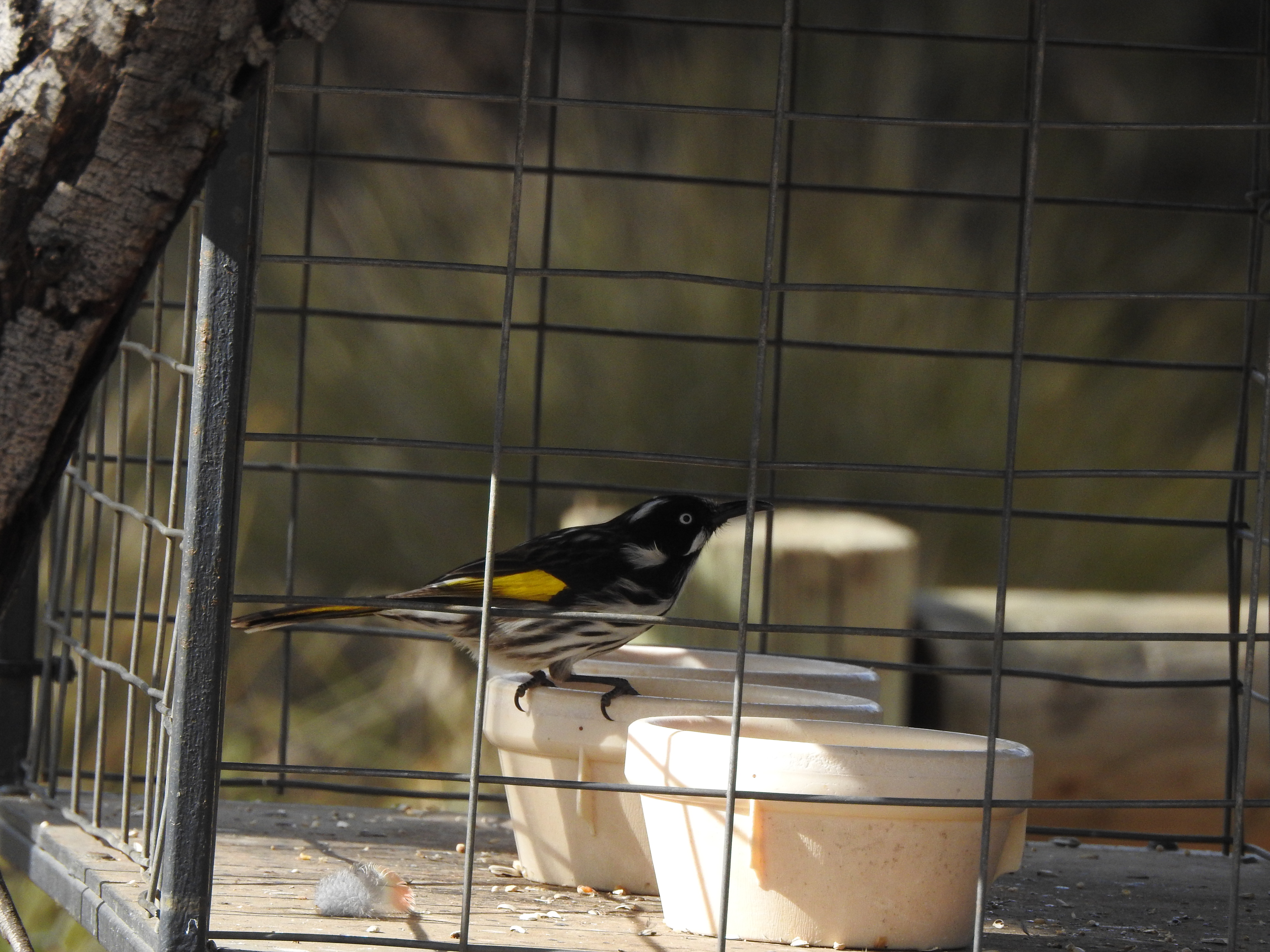
New Holland Honeyeater in Monarto Zoo
Next to the Meerkat enclosure and near to the bus stop the keepers have several bird feeders. A quick snap of the New Holland Honeyeater (photo above) was all I could get before the bus arrived. It might be a good idea to spend some time here within camera range in order to get a variety of species visiting the feeders. Just as I was getting on the bus a small flock of about six or seven Weebills were busily feeding in a mallee tree; they were moving too quickly for a photo and were partly hidden by the foliage.
During the bus tour, I saw Australian Magpies feeding on the ground in the American Bison enclosure as well as a few Little Ravens. In the Giraffe enclosure, there were more magpies and several Masked Lapwings. Part of the way around the bus trip we got off the bus and then walked along the Ridge Track, one of the walking tracks through the zoo. This track took us close to the Black Rhino enclosure where I managed a few photos of a leucistic (white) Australian Magpie. I will write about that in another post.
As we approached the Chimpanzee complex I kept a good lookout for Superb Fairy-wrens which I had seen in the bushland nearby on a previous visit. Alas – no wrens today. After a lovely lunch from the zoo restaurant, we went on another walking trail. This was the Mallee Fowl Track and it takes walkers past a large aviary which has two captive Mallee Fowl in it. This part of South Australia still has a small population of this endangered bird and I have seen a few birds just south of the zoo. I also know of several nests in the region but I am not sure if they are still being used. Near the aviary, I tried to get photos of a male and female Red-capped Robin, but they were not cooperating. I guess that means a return visit soon.
Good birding,
Trevor
Further reading:
Animals of Monarto Zoo
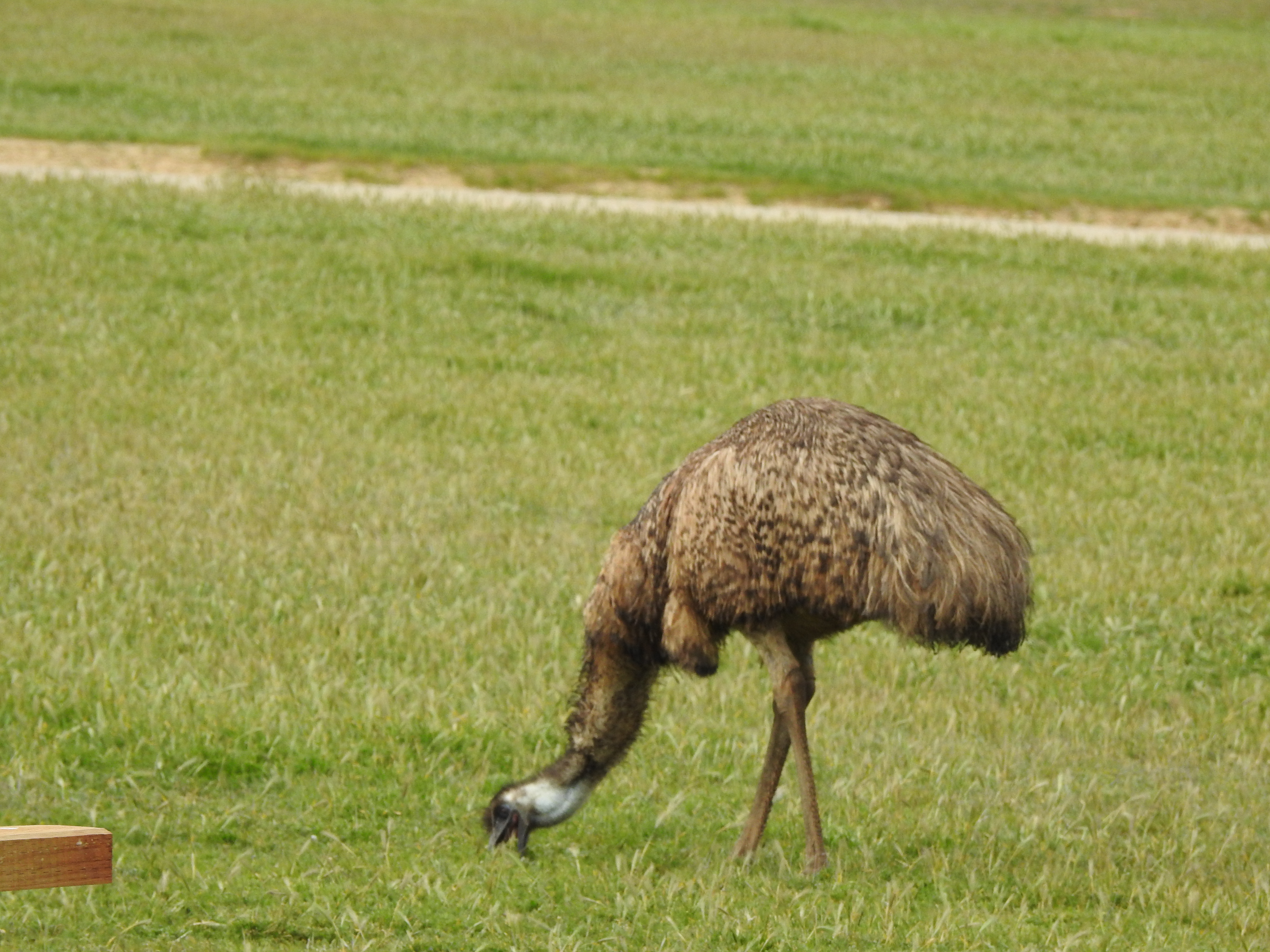
Emu – Monarto Zoo, South Australia
Earlier this week I posted here on this site an article about a recent visit to Monarto Zoo in South Australia. This zoo is not much more than about 15 minutes drive from my home in Murray Bridge. It forms a part of the great collection of animals in the Adelaide Zoo. I am a member of both so I try to visit the zoos on a regular basis. On this last visit, I not only saw a nice list of native birds which inhabit this open range zoo but I also managed a few good photos of many of the animals which I have decided to share today in this post.
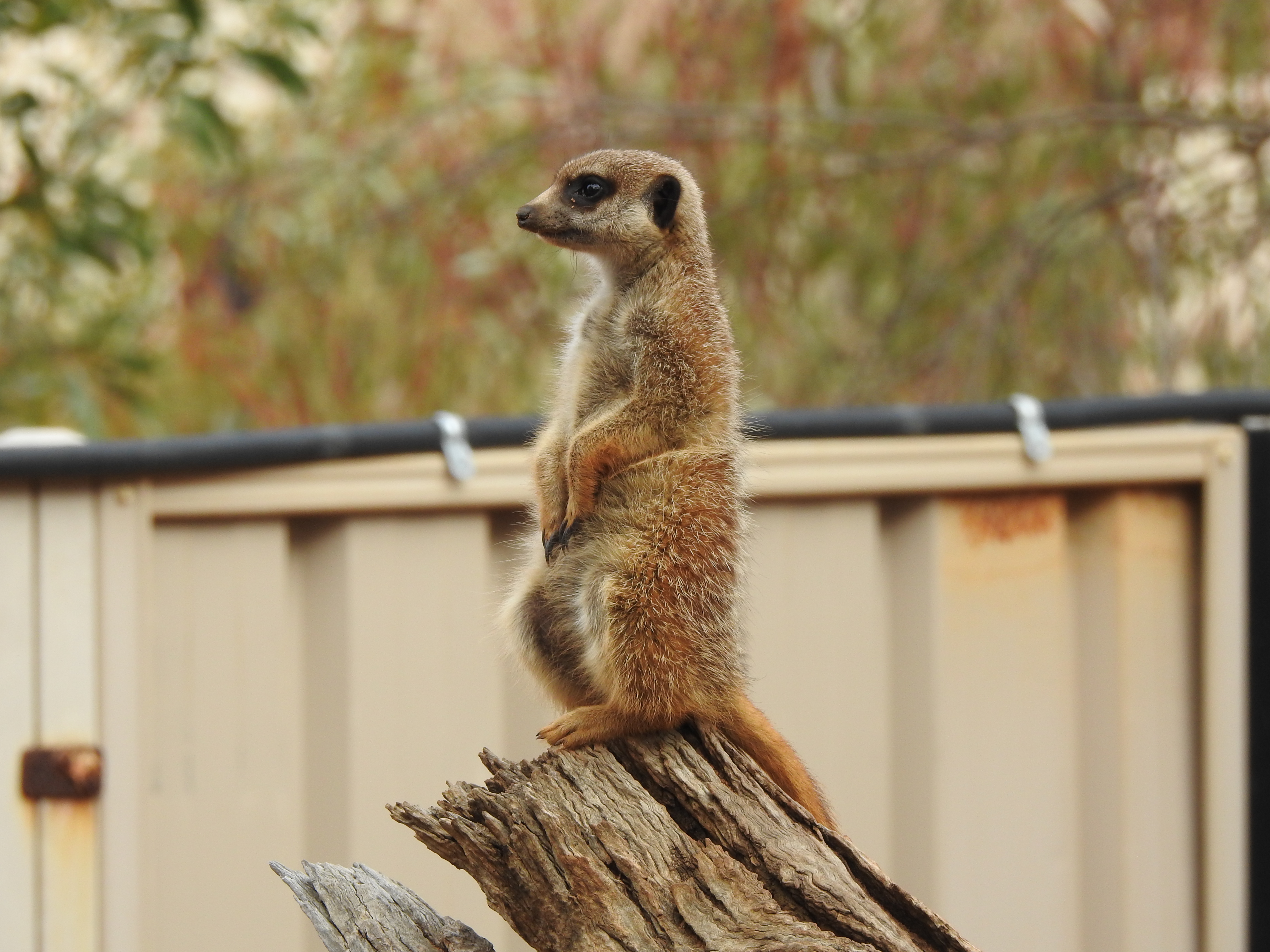
Meerkat, Monarto Zoo, South Australia
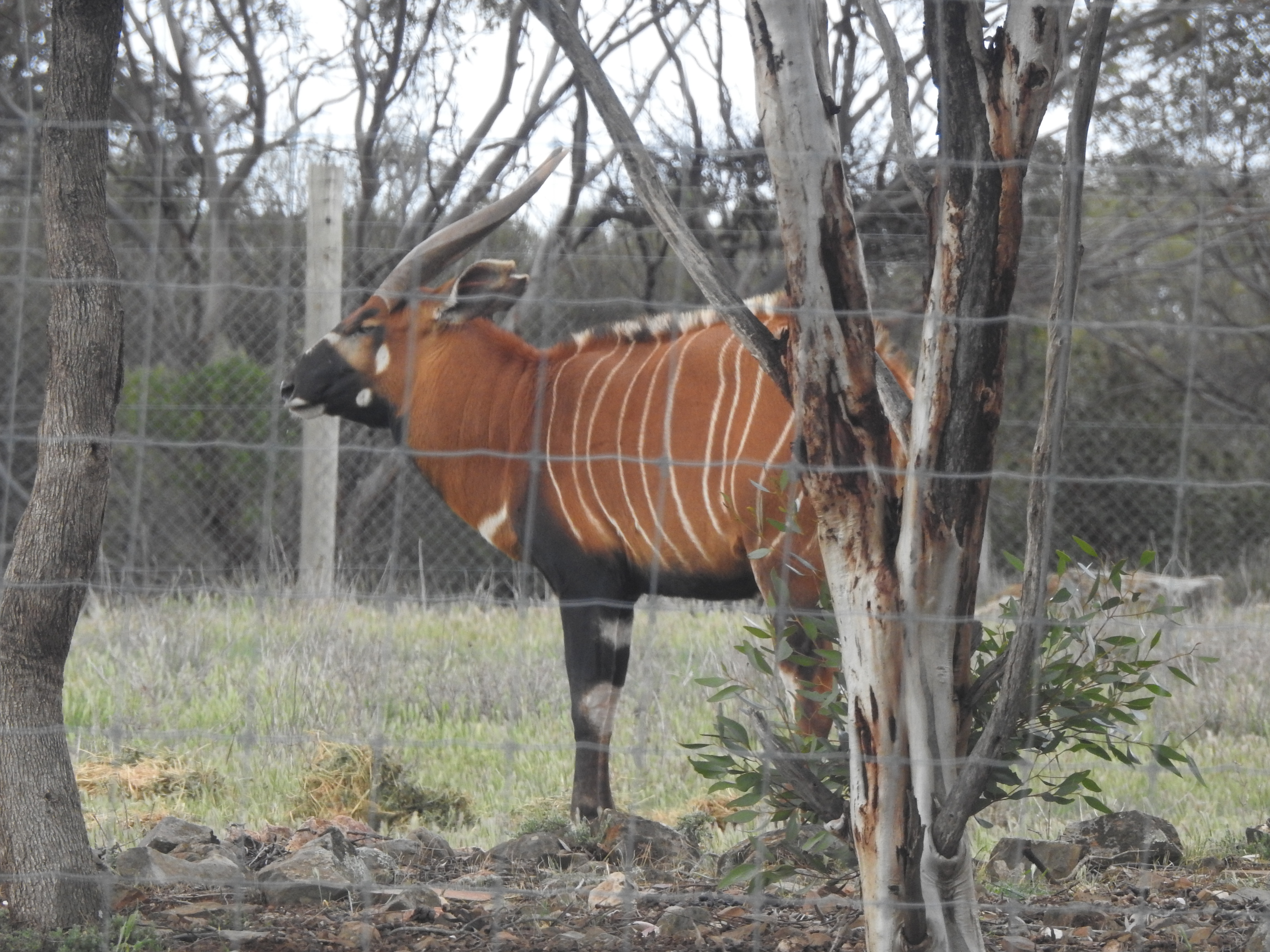
Bongo, Monarto Zoo
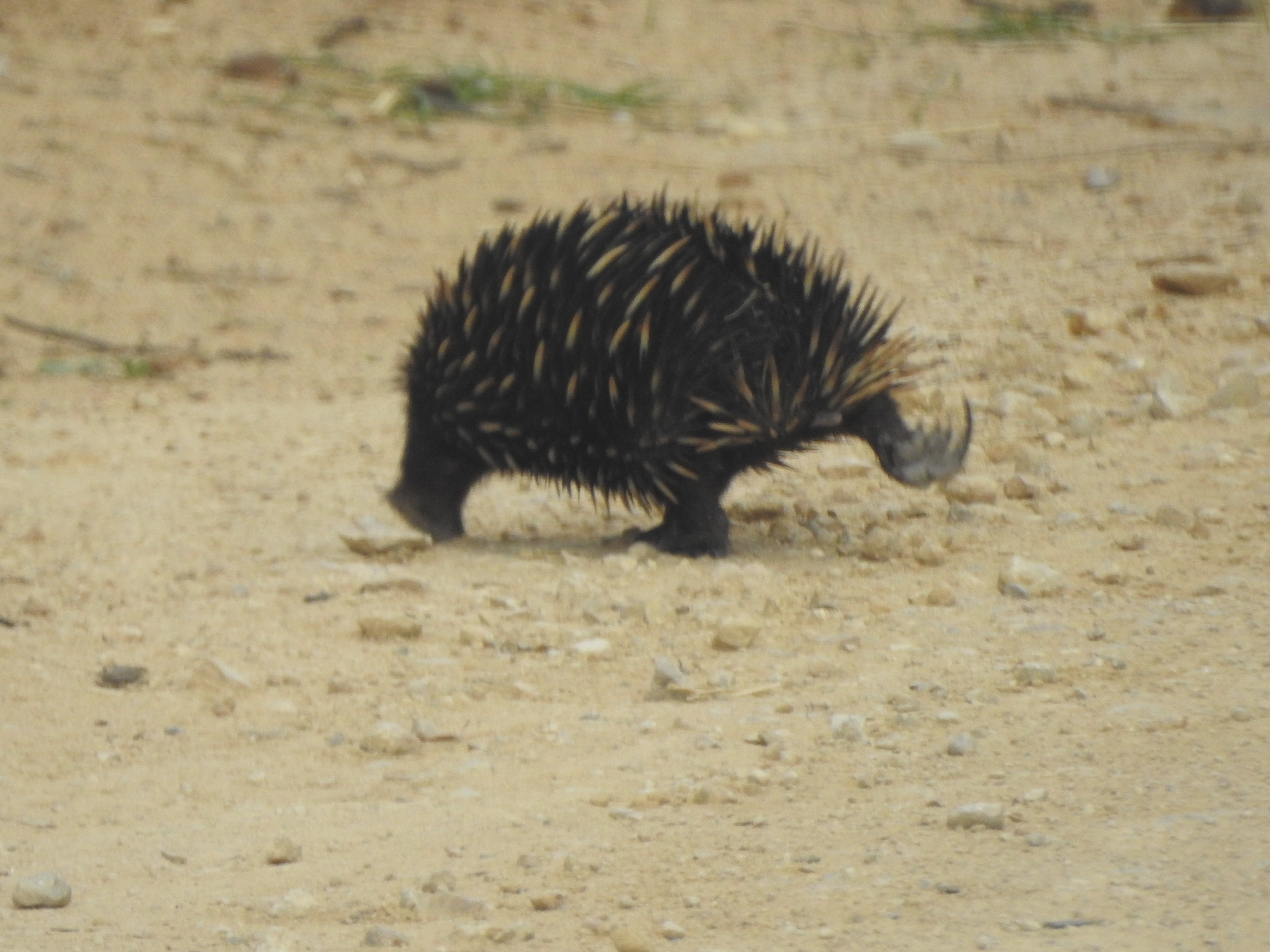
Echidna, Monarto Zoo
One of the features of Monarto Zoo is that it is an open-range zoo. All of the larger animals are in open paddocks through which visitors are taken on a guided bus tour. The zoo used to be a farm, but the fenced enclosures now keep in exotic and Australian animals, not sheep or cattle. Some large sections of the zoo are natural scrub, areas which were never cleared by the original farmer. Some species native to this region remain trapped inside the zoo, species such as grey kangaroos, emus and the echidna shown in the photo above. This little fellow smartly crossed the road while the tour bus was parked so that visitors could get off or on the bus. While the echidna is widespread in this region, in my experience one does not come across one very frequently, possibly because they are largely nocturnal. It was good to see that the species is alive and well in the confines of the zoo. From time to time I also have one come to visit my garden.
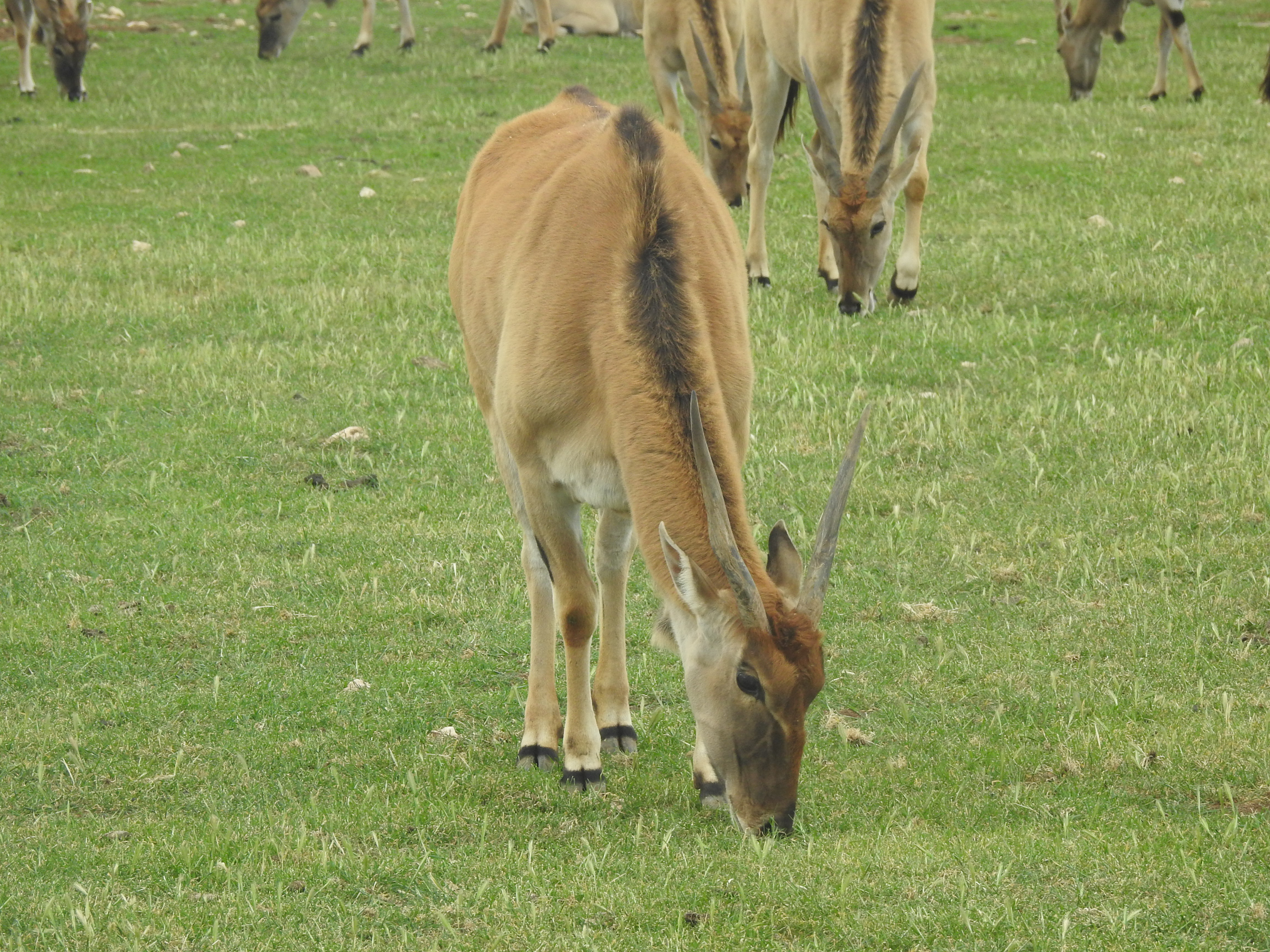
Monarto Zoo
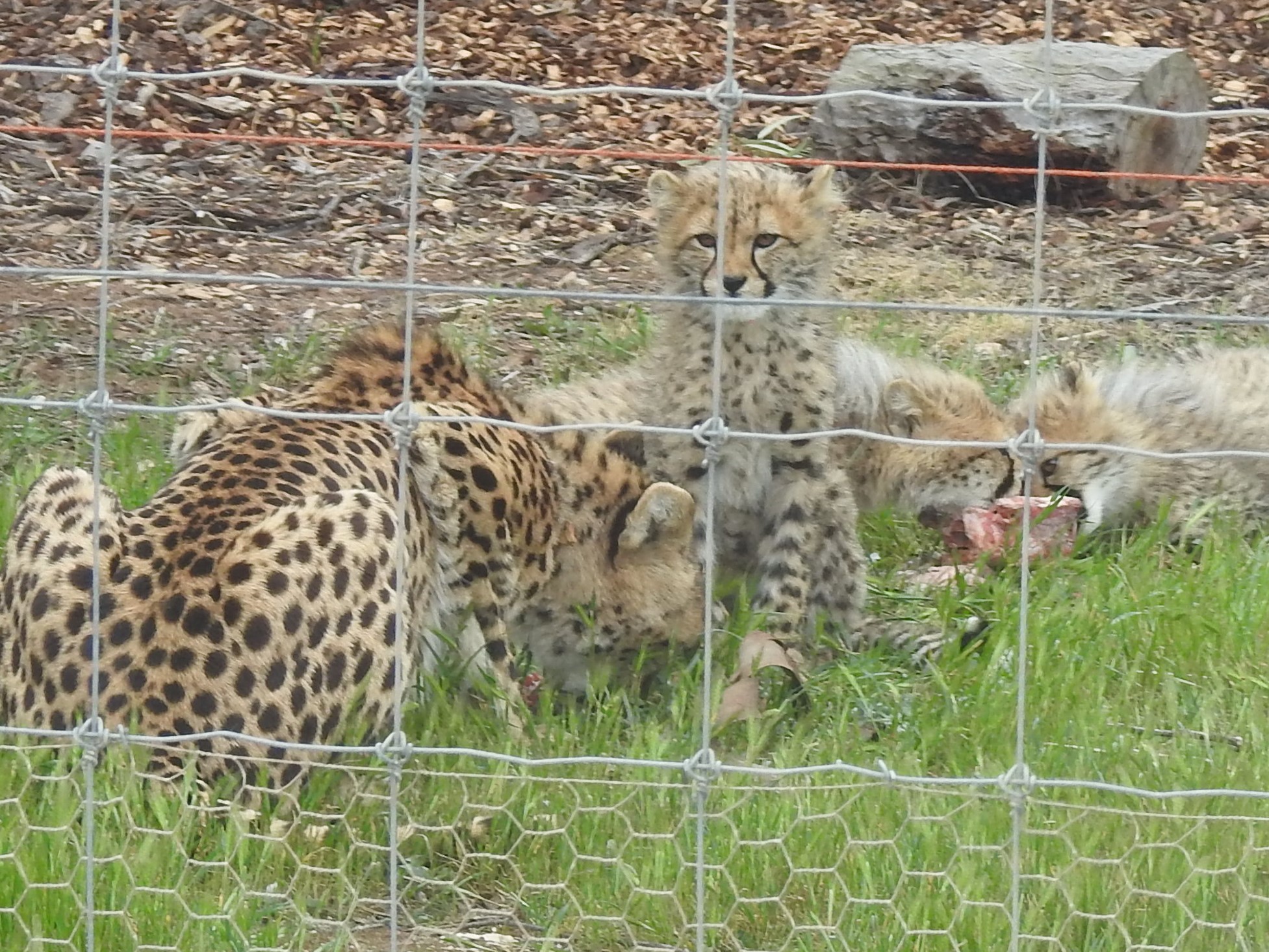
Simply adorable Cheetah cubs
Over recent months there has been quite a number of baby animals born in Monarto Zoo, including the adorable Cheetah cubs shown in the photo above. I also managed a good portrait shot of the mother, shown below.
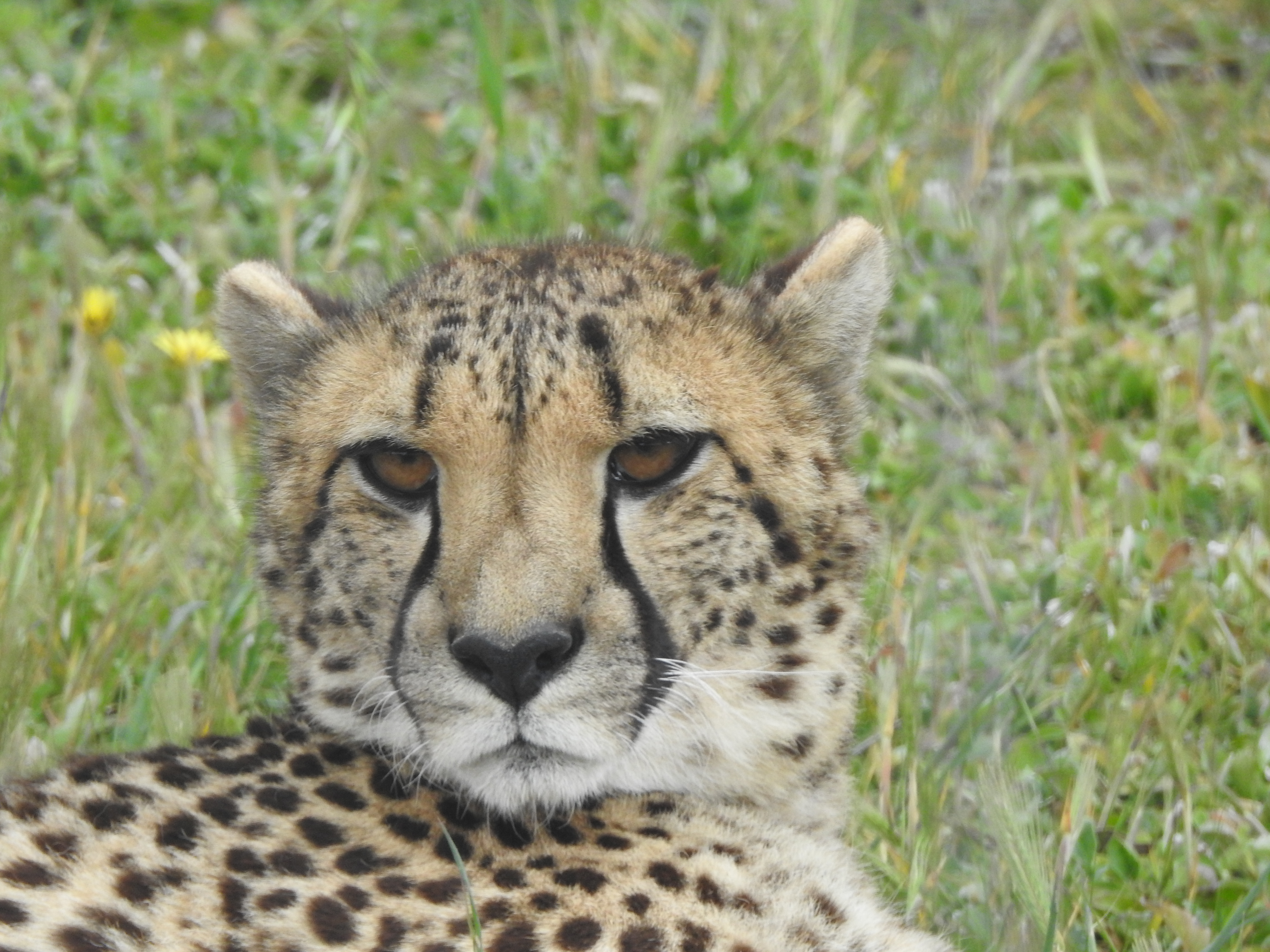
Cheetah, Monarto Zoo
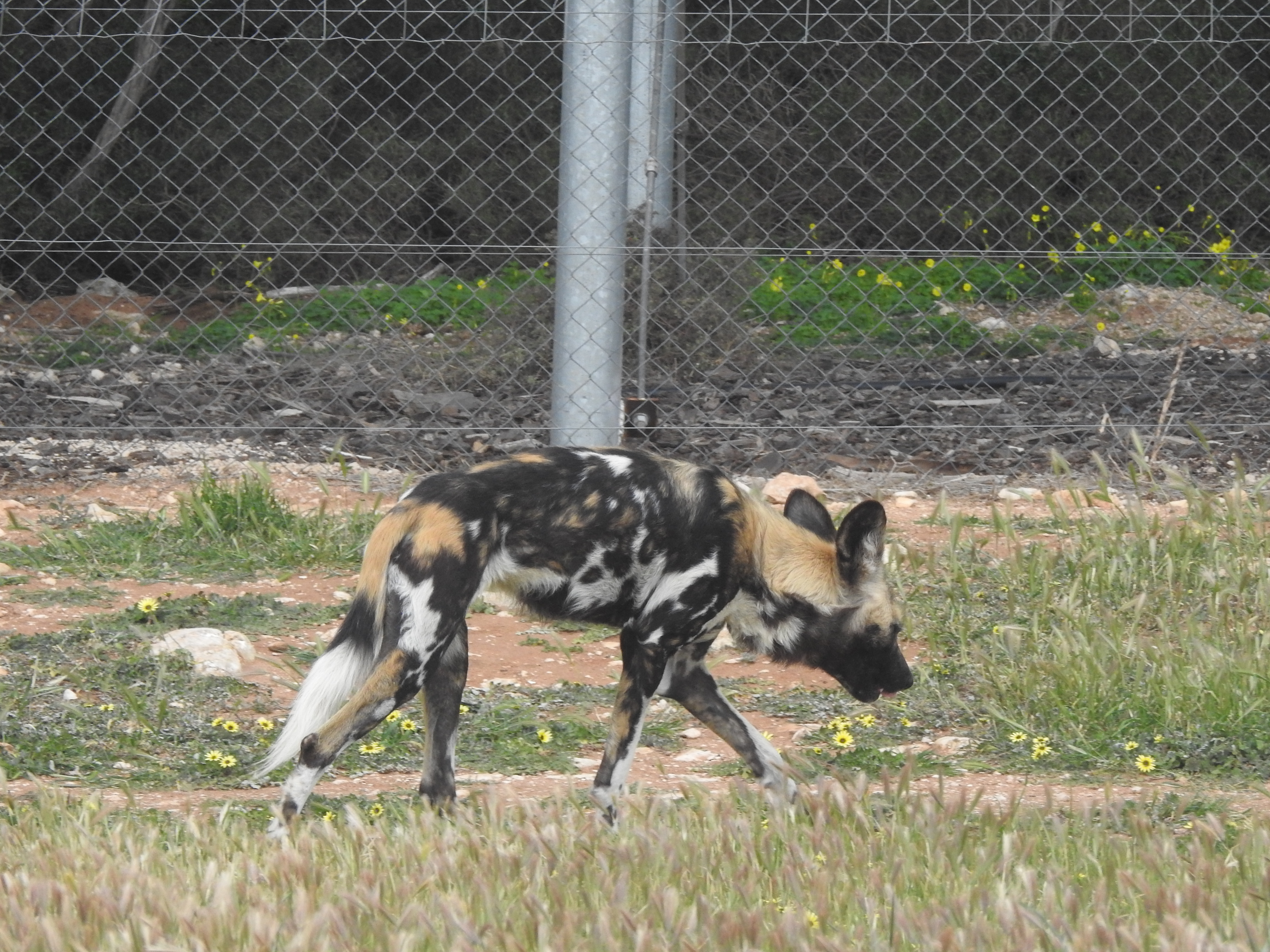
African Painted Dog, Monarto Zoo
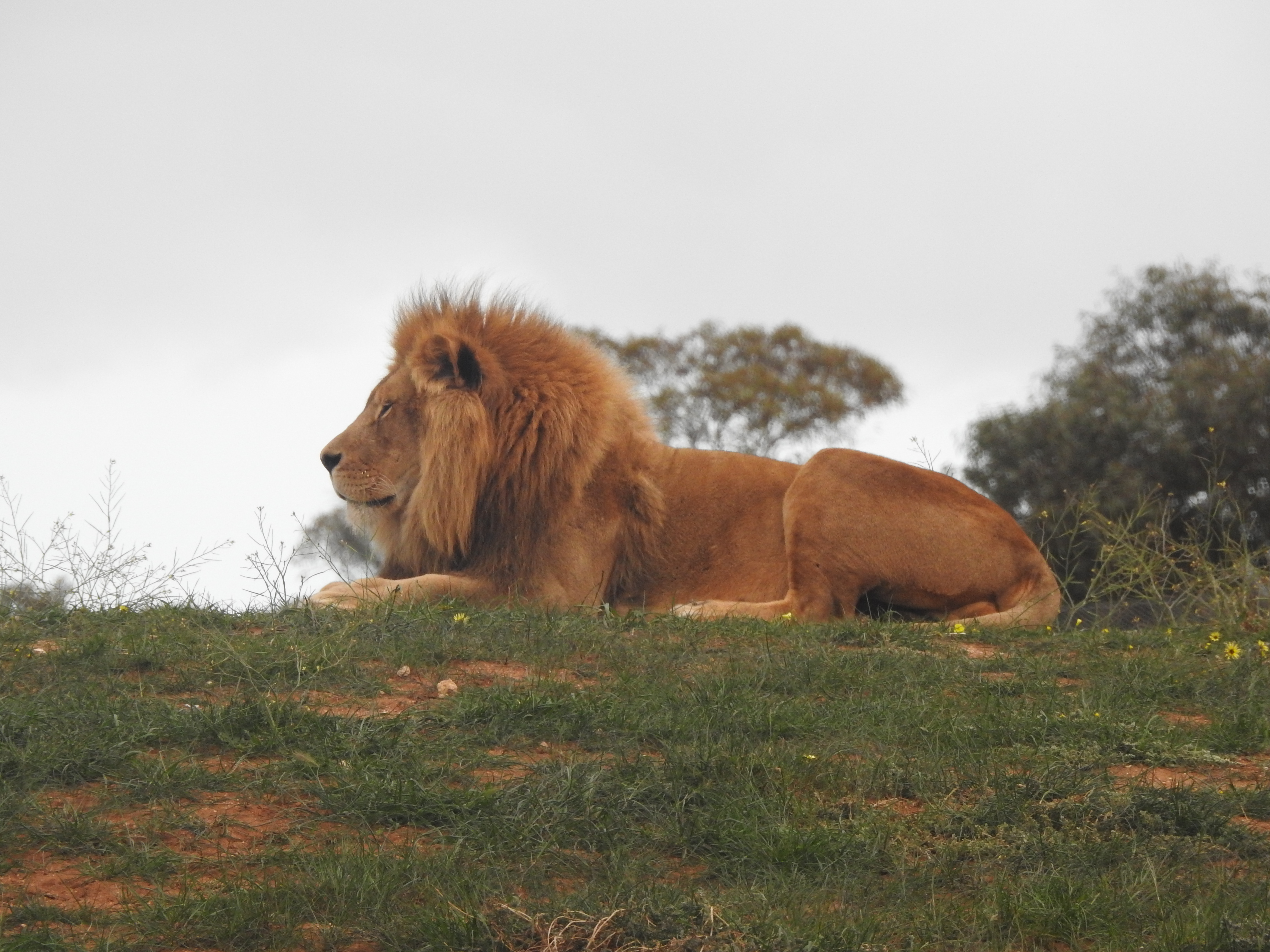
Lion, Monarto Zoo
The magnificent male Lion shown in the photo above is actually sitting on top of a human enclosure. For an extra fee, visitors to the zoo can enter this ‘cage’ and experience the Lions up close – and visitors can feed the lions meat through the grill of the human cage. I haven’t yet taken advantage of this experience but I plan to do it sometime later this year. It should be awesome.
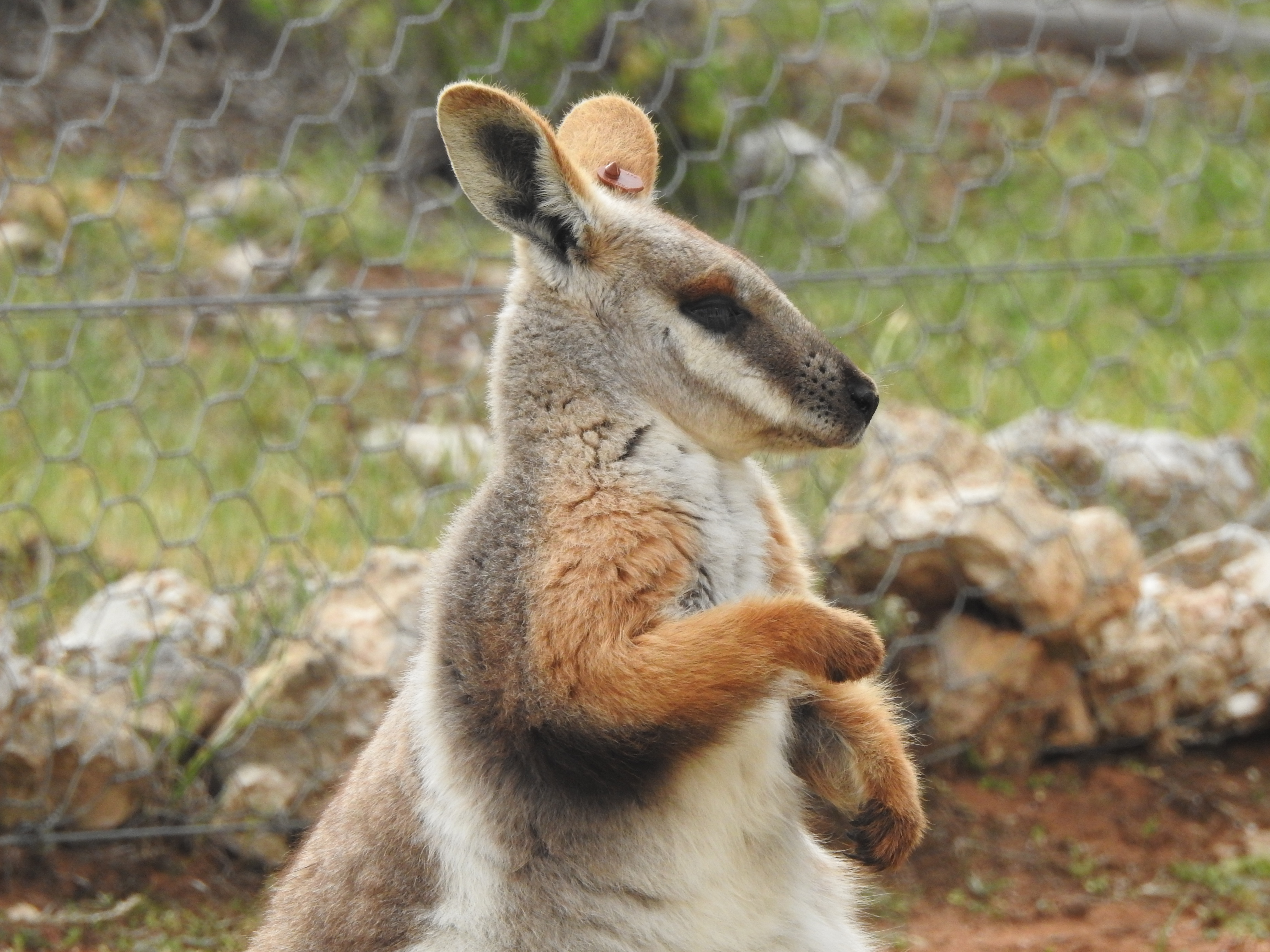
Yellow-footed Rock-wallaby, Monarto Zoo
My last photo today is of one of the Yellow-footed Rock-wallaby. No guessing how it got its name. This species can be found in the more remote parts of South Australia such as the Flinders and Gawler Ranges. I have seen them in their natural environment but that was many years ago.
I hope that you enjoyed the photos. Please leave a comment about your encounters with any of these species.
Trevor
Upset New Holland Honeyeaters
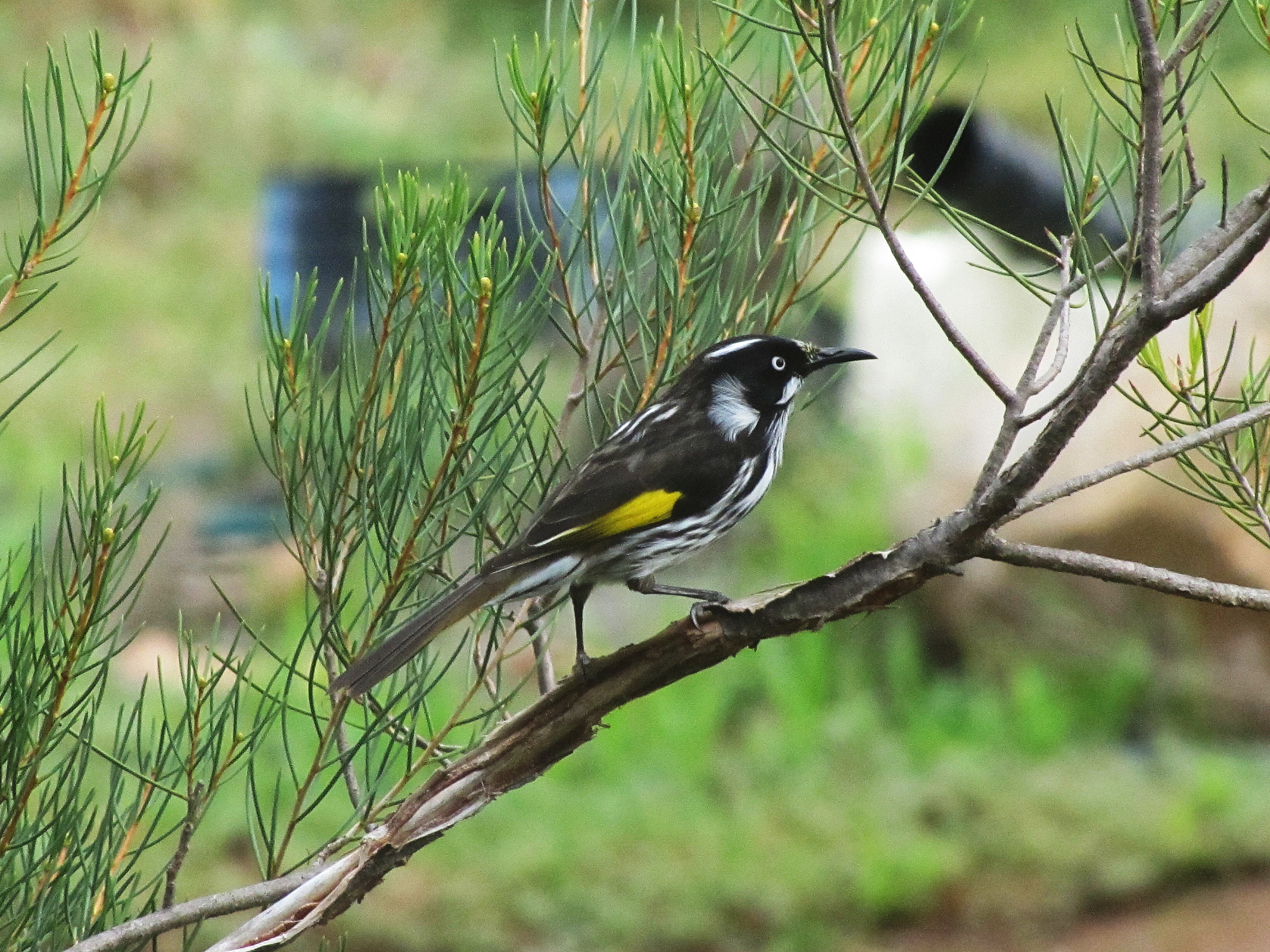
New Holland Honeyeater
Last week my wife and I were sitting on our back veranda having lunch. We were enjoying a brief burst of spring weather and the sun was most welcome. We have had a long stretch of very cold, showery, wintery weather for well over a month, so the change was very much appreciated.
I often have my binoculars at the ready in case I want to check out any of the many birds we see in our garden. Sometimes I even have my camera at the ready, too. As we were enjoying a cup of tea after lunch, a flock of about a dozen New Holland Honeyeaters set up a terrible racket in the bushes about ten metres from where we were sitting. I immediately thought that their warning calls meant that there was a bird of prey in the sky overhead, or else it was in the trees nearby.
On looking around, and checking the sky, I could not see any evidence of anything they could be getting upset over. All of the honeyeaters kept calling and fluttering around, obviously quite agitated by something on the ground. I cautiously walked towards them. They took no notice of my presence and kept calling loudly.
Snake!
A metre long Eastern Brown Snake was trying to stay inconspicuous in the shadows, but I caught a glimpse of it as it made its escape into the undergrowth – and away from the keen eyes of the resident honeyeaters. I slowly made my retreat, intent on not getting too close to one of the world’s deadliest reptiles right there in our garden.
Every summer we usually see one or two Brown Snakes in our garden, on our five-acre property, or crossing the road leading to our home. We usually give them a wide berth when we see one and never try to get too close. They don’t bother us and we don’t bother them. I prefer to let them be because not only are they protected under our laws, they also do us the service of keeping mice and rat numbers down to a manageable level. My only concern was that this was rather early in spring for our first sighting; summer won’t start until December.
I guess that we will have to keep an eye out for them in the coming months. Proceed with caution.
Further reading:
- Bird baths are not just for birds – this post includes photos of a Brown Snake at one of our bird baths,
- Brown Snakes and Woodswallows
- Beautiful birds, leaping lizards and slithering snakes
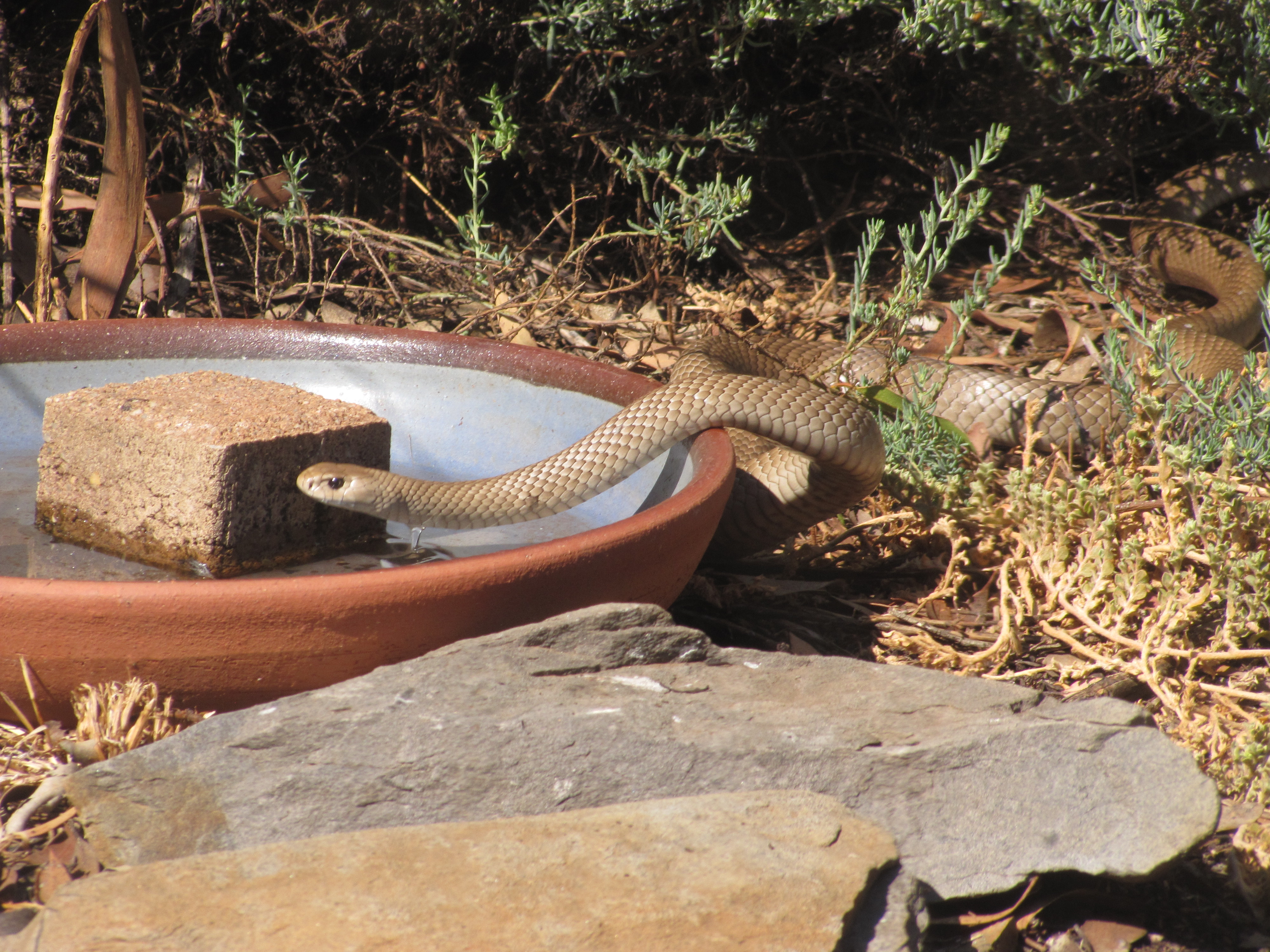
Eastern Brown Snake at our bird bath
Ku Ring Gai Wildflower Gardens – more than flowers
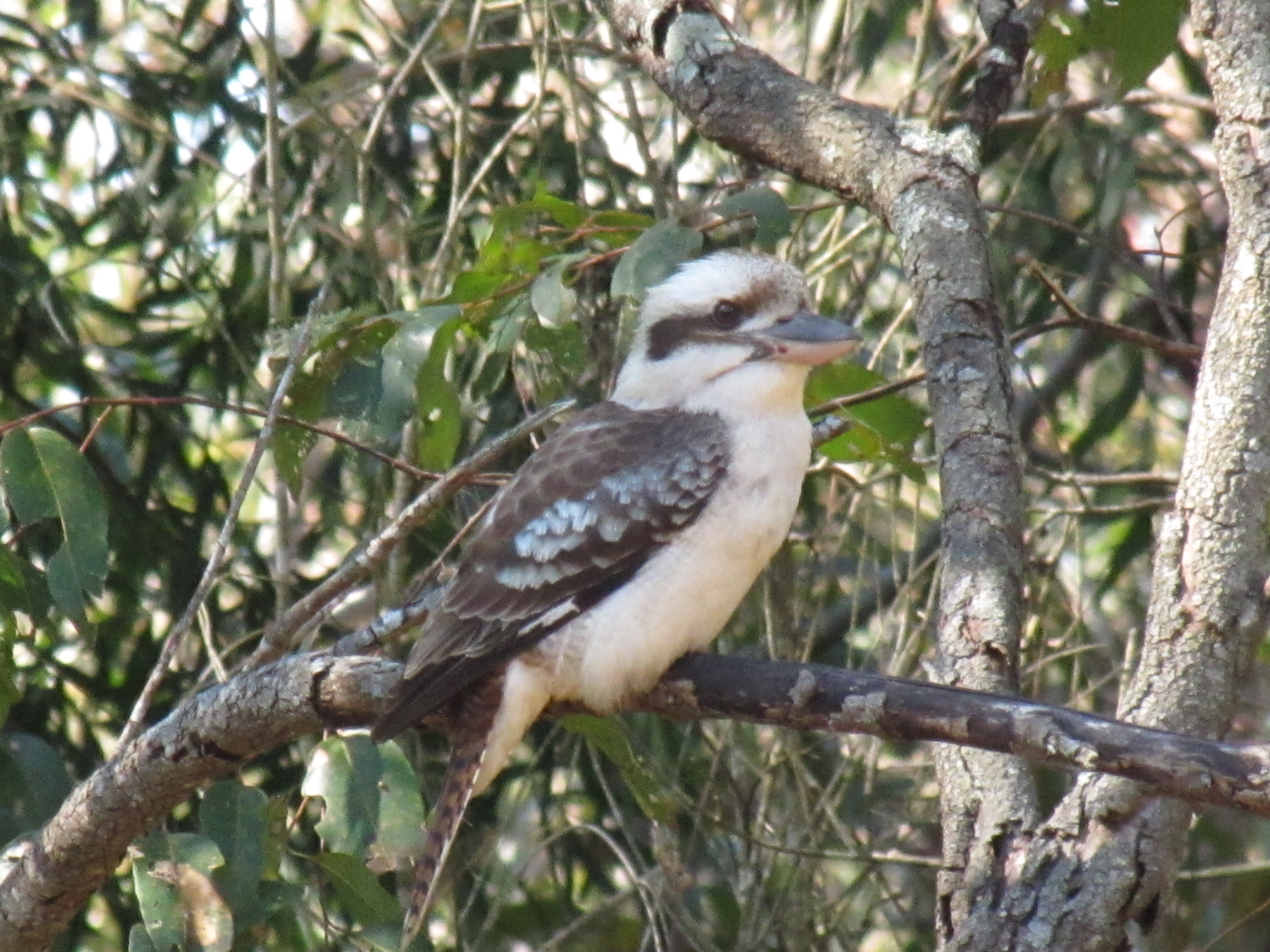
Laughing Kookaburra
Yesterday I wrote about a visit to the Ku Ring Gai Wildflower Garden in St Ives in northern Sydney earlier this year. On that occasion, we were annoyed by a rather pesky Australian Brush Turkey which thought it had a right to some of our afternoon tea. It went away disappointed.
These gardens are a nature lover’s delight. Not only is there a good number and variety of birds present, but one can wander along the many walking and cycling tracks throughout the park, enjoying nature up close. As we were having our snack we were delighted to see a Swamp Wallaby carrying a joey in its pouch (see photo below). This was a real delight for our five-year-old grand-daughter.
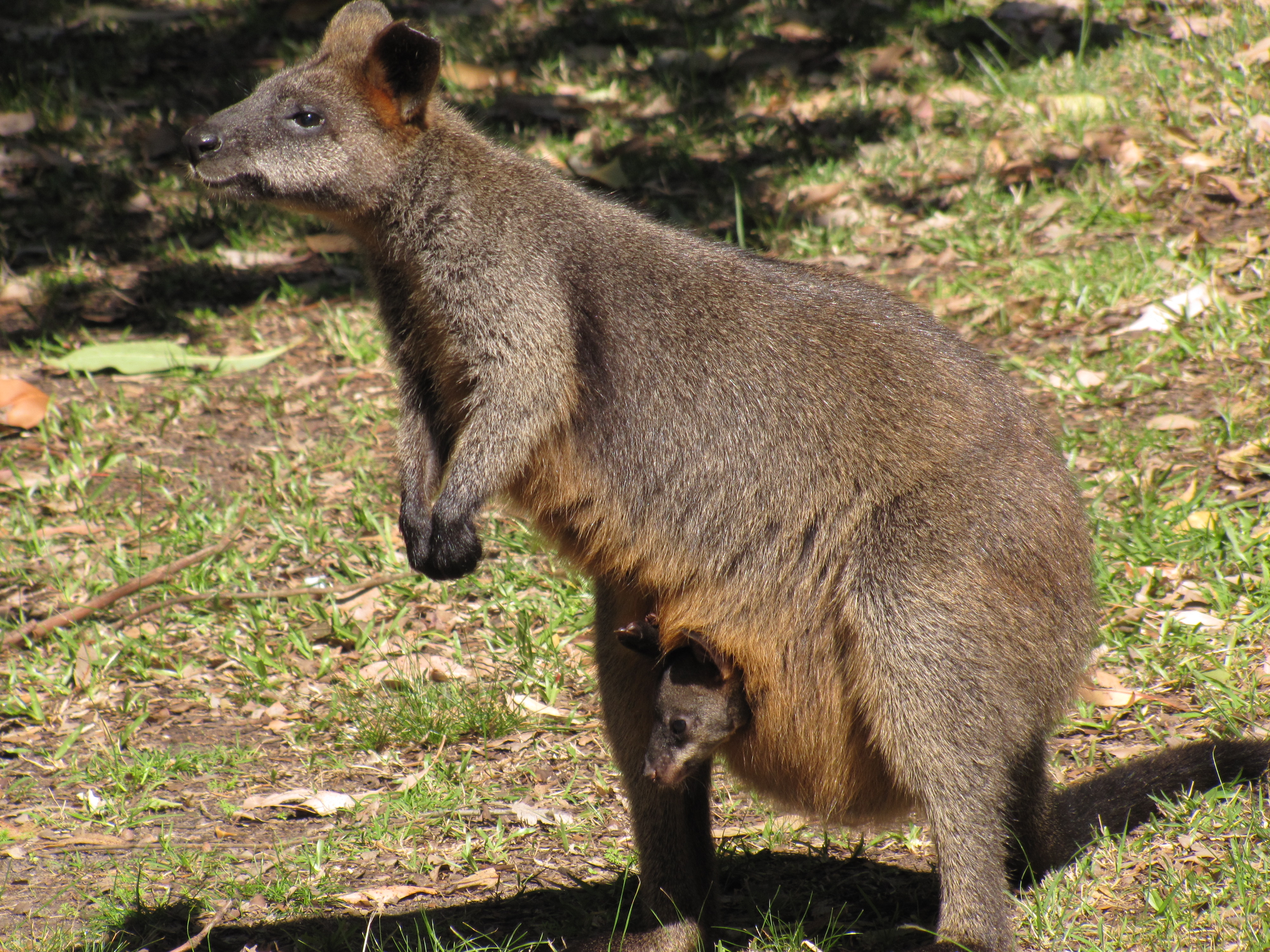
Swamp Wallaby and joey
Many other items intrigued our grand-daughter as she clambered through the bush with her grandmother. The fungi shown below held her attention for a while, not mean feat because she is always on the go.
She was also interested in the many flowers in bloom along the walking tracks. Knowing that her grandmother was interested in the flowers, she would race ahead, pointing out the new plant in bloom. She often became frustrated when we stopped too long to take photos of the flowers. Some of these are shown below.
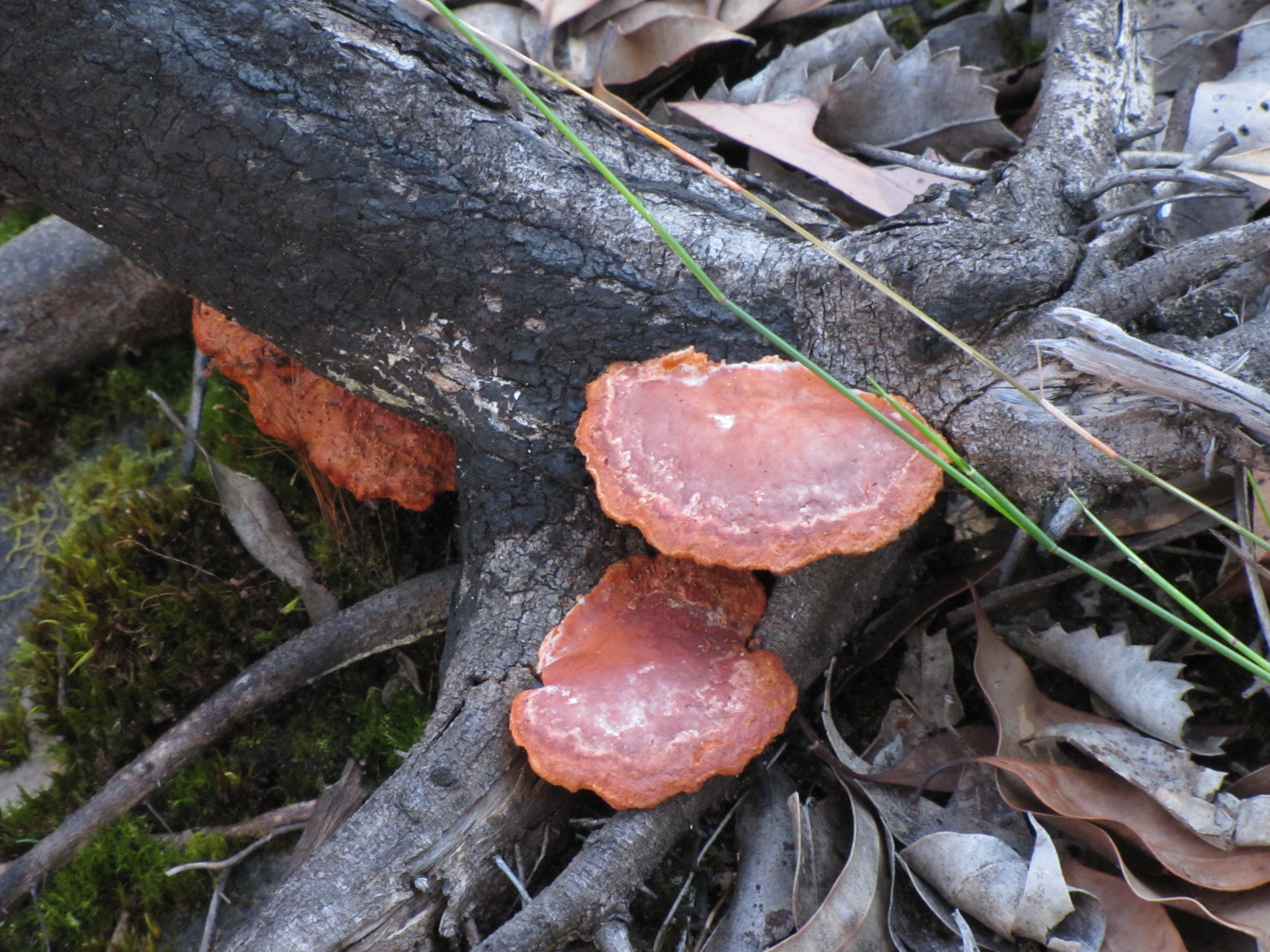
Fungus
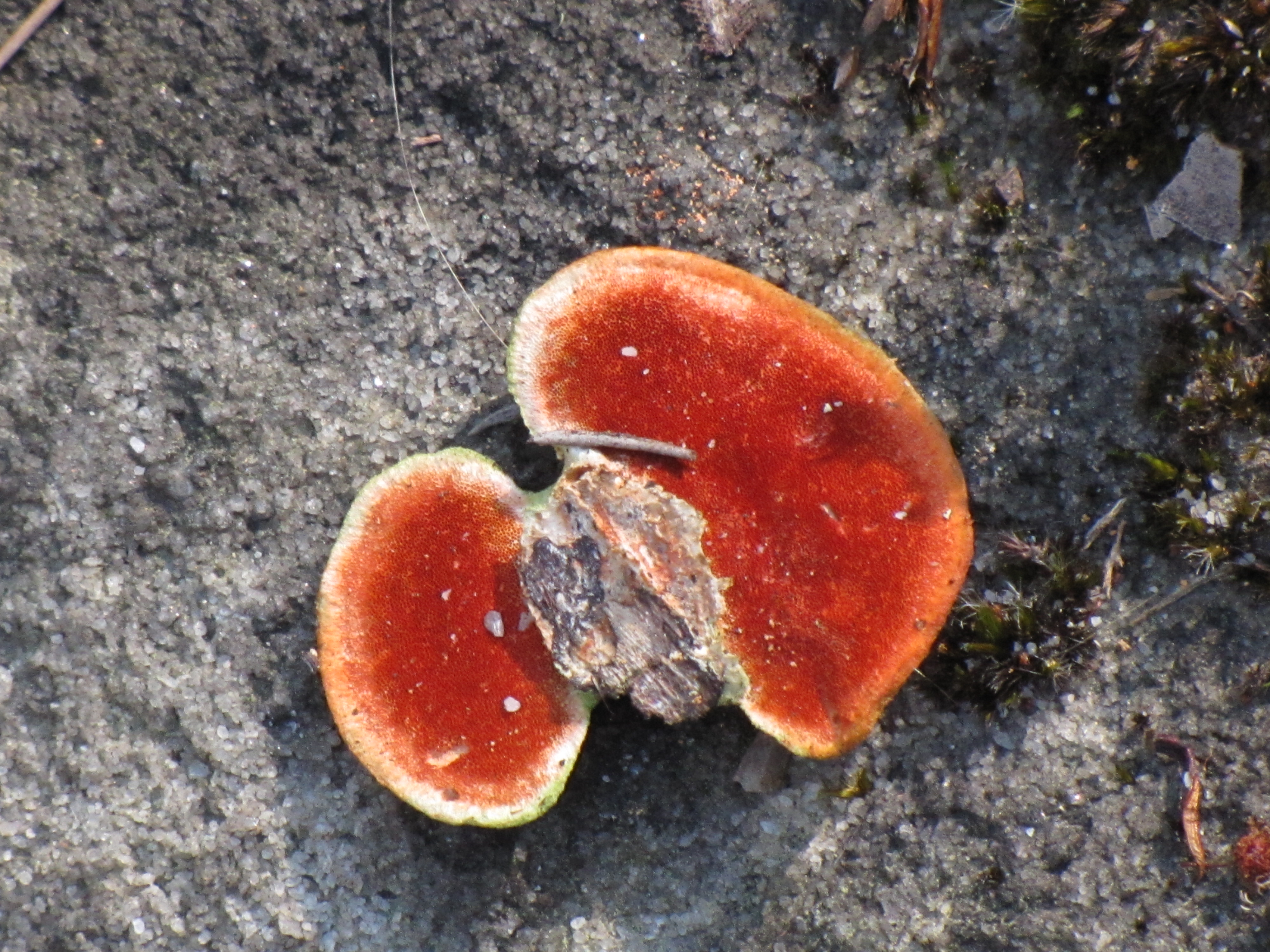
Fungus
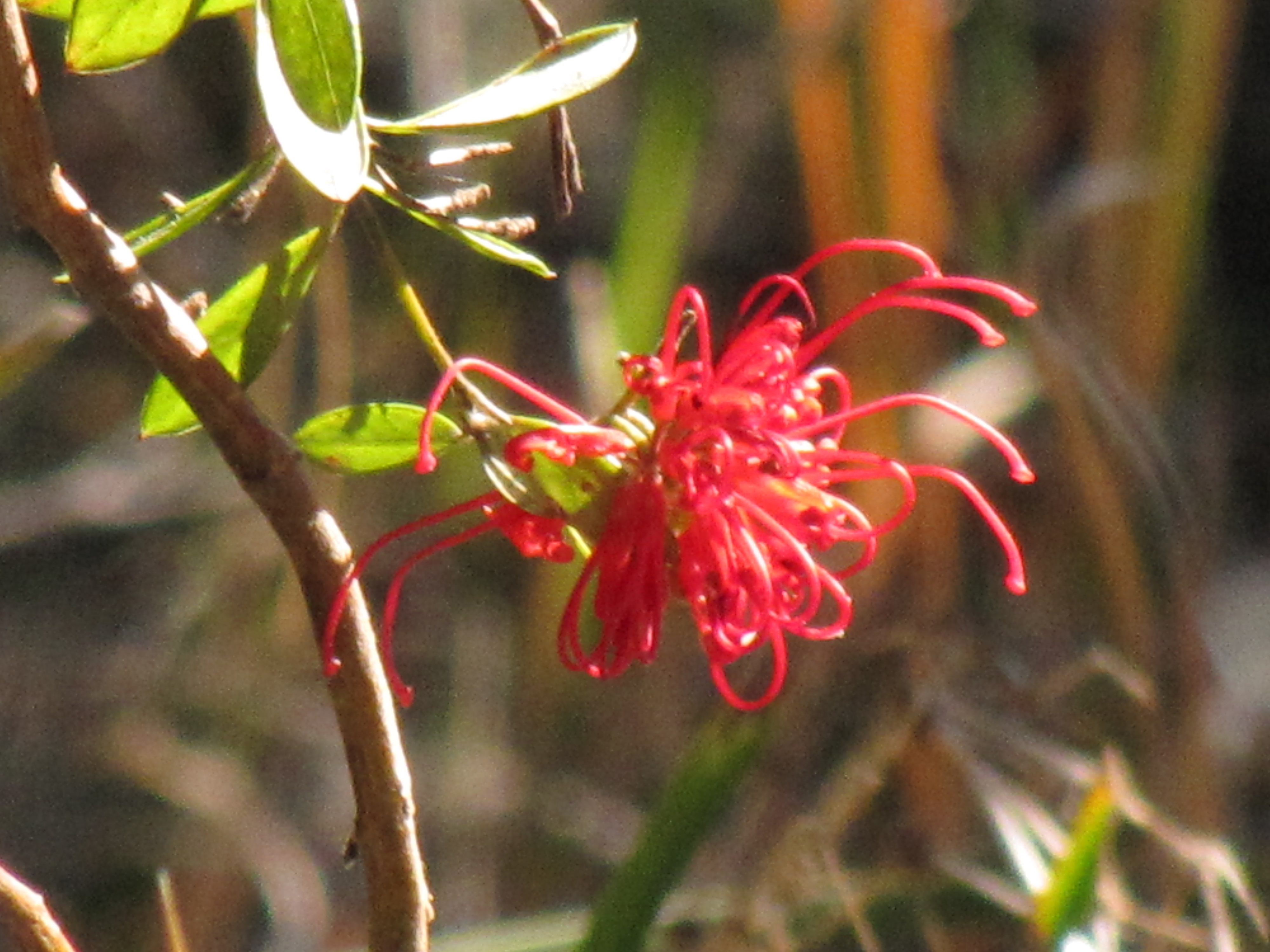
Grevillea
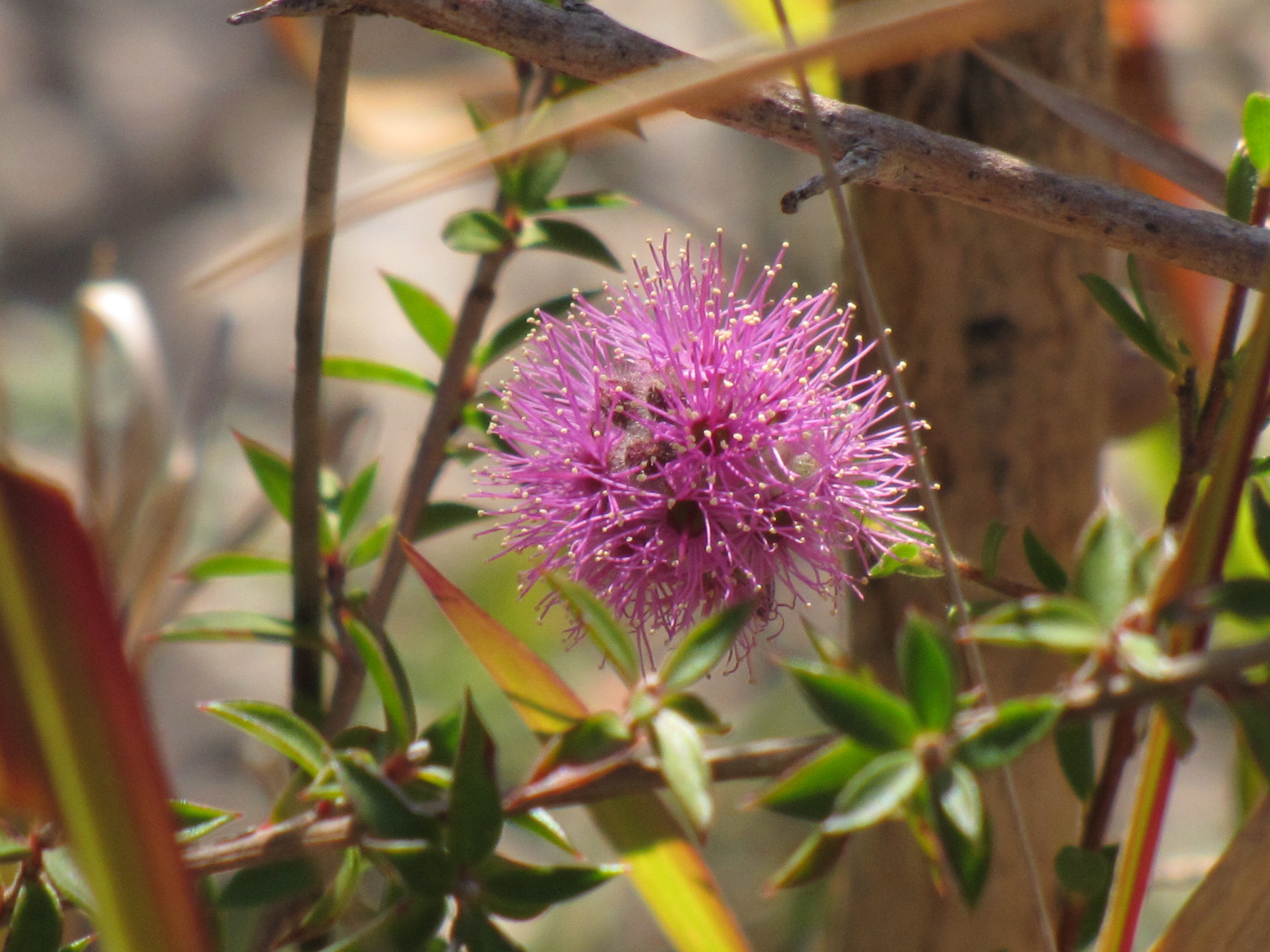
Wildflower
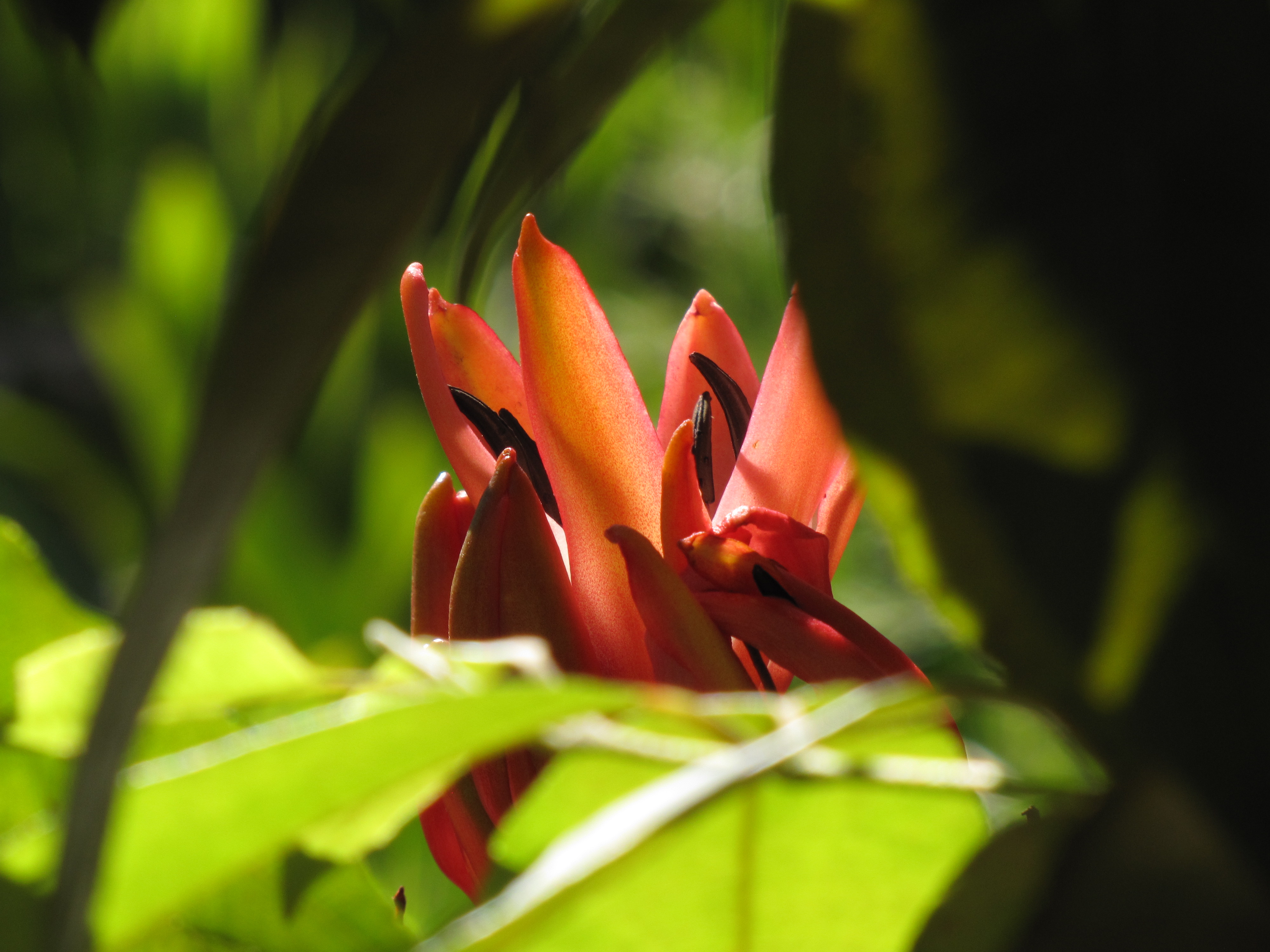
Spear Lily
Bird baths are not just for birds
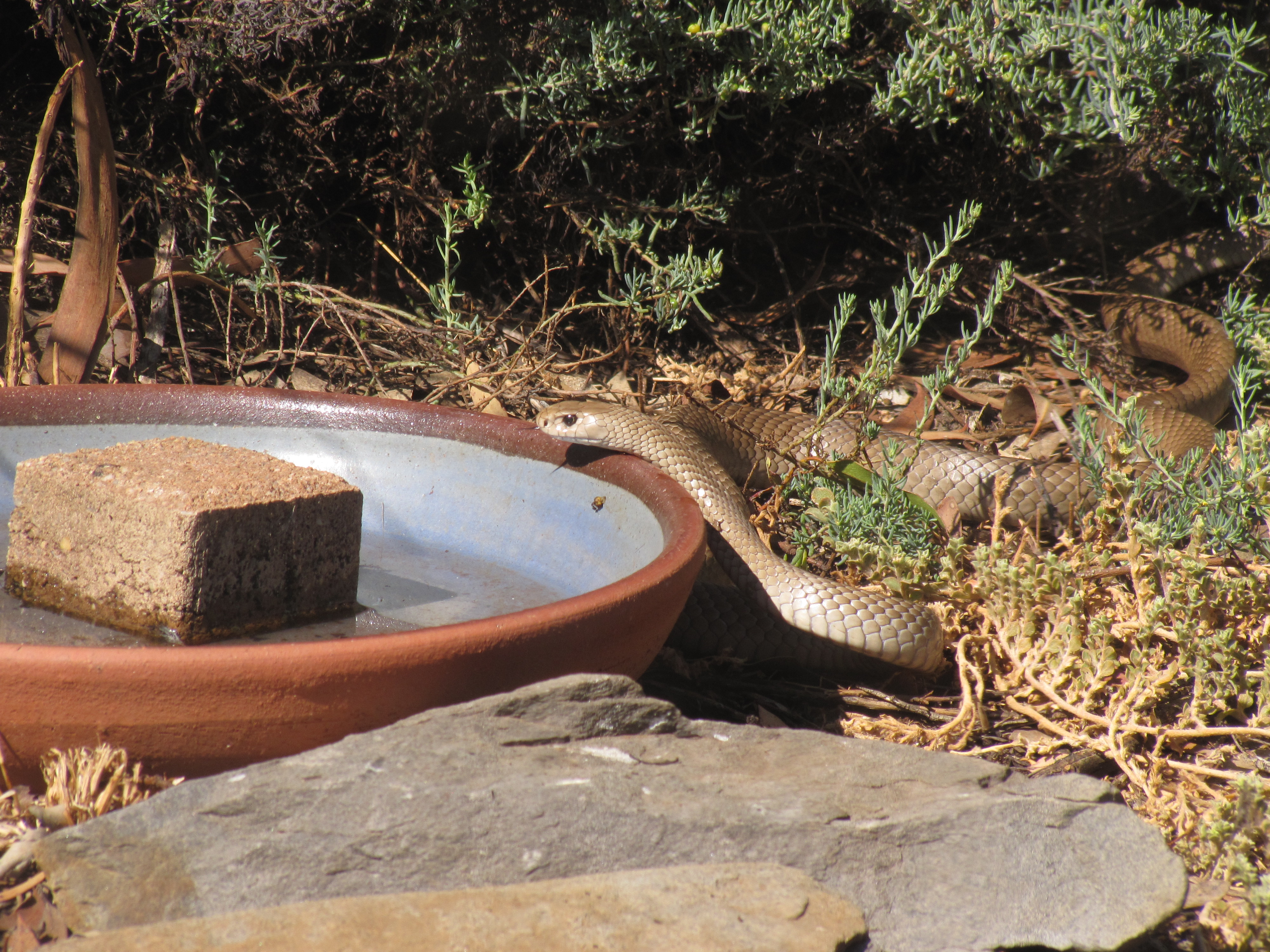
Eastern Brown Snake at our bird bath
Over the many years that we have had several bird baths in our garden we have seen many different kinds of birds visit for a drink or a bath – many times both. You can see a full list here.
Several of our bird baths are located in the garden close to our sun room, a place where we read the paper and often have our meals. The large picture window gives us a good view of that part of the garden and I often sit there with my camera at the ready. The room provides me with an excellent bird hide. Many of the photos I have shared on this site have been taken in this way.
Over the last few months I have often written about the extreme heat we have experienced here in South Australia over that period. Sure, we always expect some hot days in the 40 – 45 degree range (45C = 113F) but this summer – and the spring before it – has been exceptionally hot, breaking many records. Ironically, I am writing this on a quite cold day. It is currently only 20C and I have just decided that I might need some warmer clothing on.
On a hot day earlier this week we were sitting at the table when my wife spotted a metre long Eastern Brown Snake coming towards one of the bird baths. We were able to observe it for about five minutes. It actually stopped and had quite a long drink – perhaps for 20 – 30 seconds (see photos below). Although one individual approached quite close to the same bird bath some years ago, this is the first time I have observed one drinking.
Our five acre block of land on the outskirts of Murray Bridge has many of the typical habitat features preferred by this species. Although this is regarded as the world’s second most venomous snake, we are not overly concerned with their obvious presence near our home. If we leave them alone they just go about their lives in a non-threatening manner. Although several are probably resident on our property, we probably only see this species two or three times a year.
In reality we appreciate having them around. Our mouse and rat problem would be so much worse without them about. On only three occasions over 30 years of living here have we been concerned. The worst was when one found its way into the house; we were able to help it find an open door using a large piece of cardboard. The second was when a baby snake came towards me in our swimming pool. Babies can be just as dangerous as adults. The third occasion was one sunning itself in the entrance of my wife’s garden shed. All of these were unsettling events, but we avoided any harm.
Further reading:
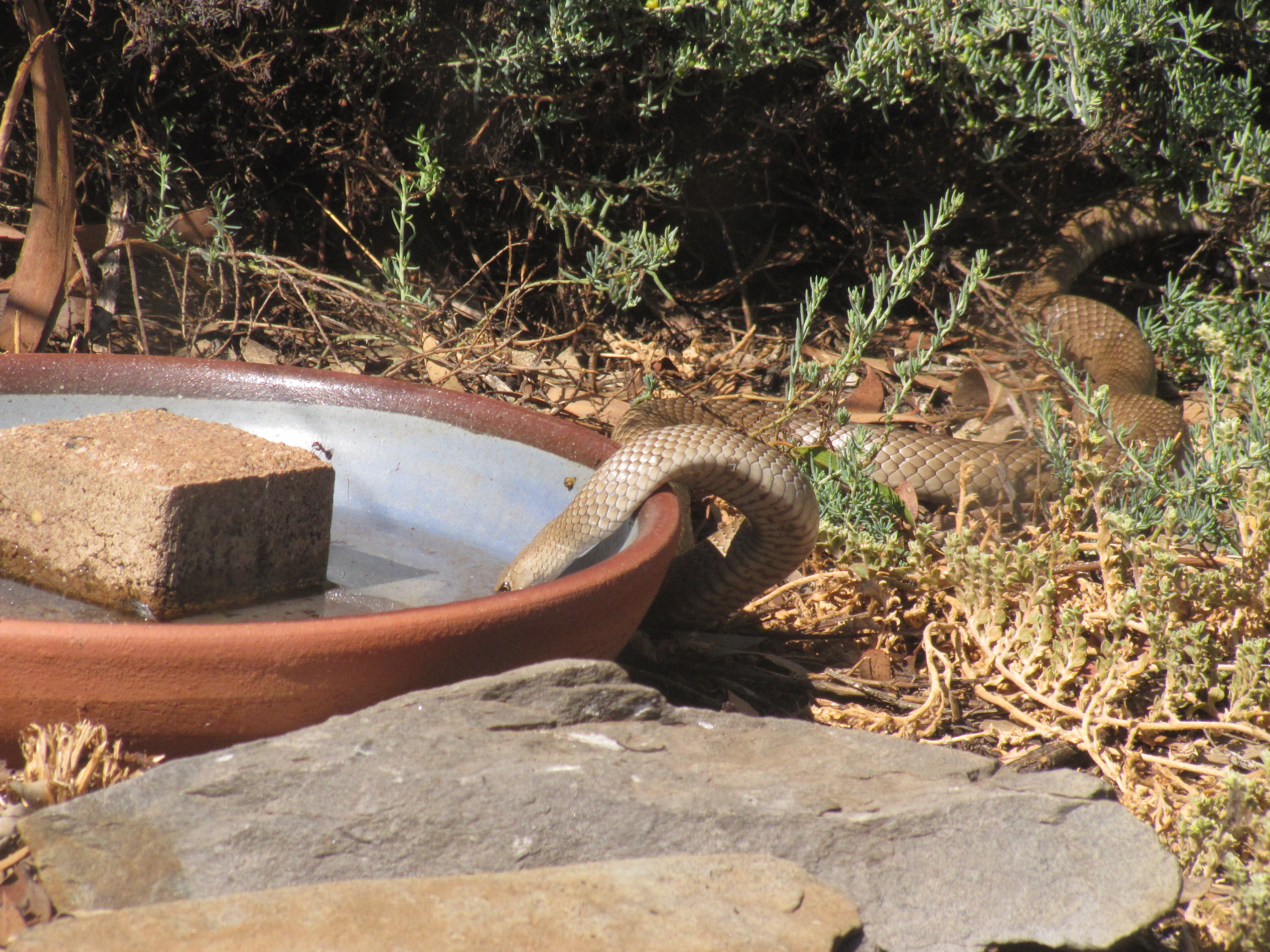
Eastern Brown Snake at our bird bath
Eastern Brown Snake at our bird bath